
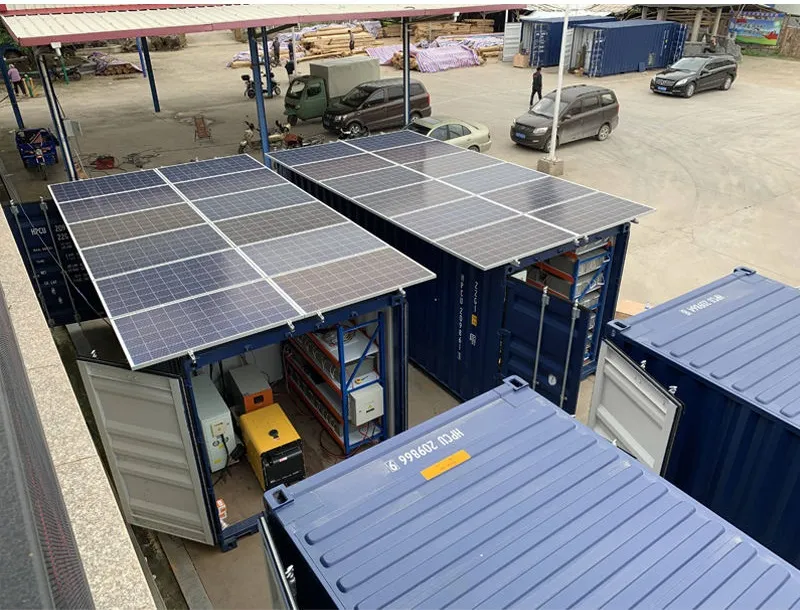
Tiny houses are more than just a trend—they're a lifestyle choice centered around simplicity, sustainability, and intentional living. But here's the catch: with limited space and a focus on self-sufficiency, your tiny home's energy setup can make or break its functionality. That's where solar panels come in. They're compact, efficient, and align perfectly with the eco-friendly ethos of tiny house living. But not all solar panels are created equal, and choosing the right one requires knowing your needs, space constraints, and which supplier can deliver both quality and convenience. Enter Coloria—a name that's redefining what it means to be a residential building materials supplier with a focus on sustainable solutions. Let's explore how solar panels can transform your tiny house, and why Coloria might just be the partner you've been looking for.
First off, let's talk about why tiny houses and solar panels are a match made in heaven. Unlike traditional homes, tiny houses often prioritize off-grid or low-grid living, meaning you're not just trying to reduce bills—you're aiming for energy independence. Solar panels let you harness free, renewable energy from the sun, cutting ties with expensive utility companies and lowering your carbon footprint. Plus, modern solar technology has come a long way: panels are sleeker, lighter, and more efficient than ever, making them ideal for the limited roof or wall space of a tiny home.
Another big win? Sustainability. If you're drawn to tiny house living, chances are you care about the planet. Solar panels produce clean energy, reducing reliance on fossil fuels. And when paired with other green building materials—like the ones Coloria specializes in—you're not just building a house; you're creating a home that works in harmony with the environment. That's the future of living, and it starts with the right energy solutions.
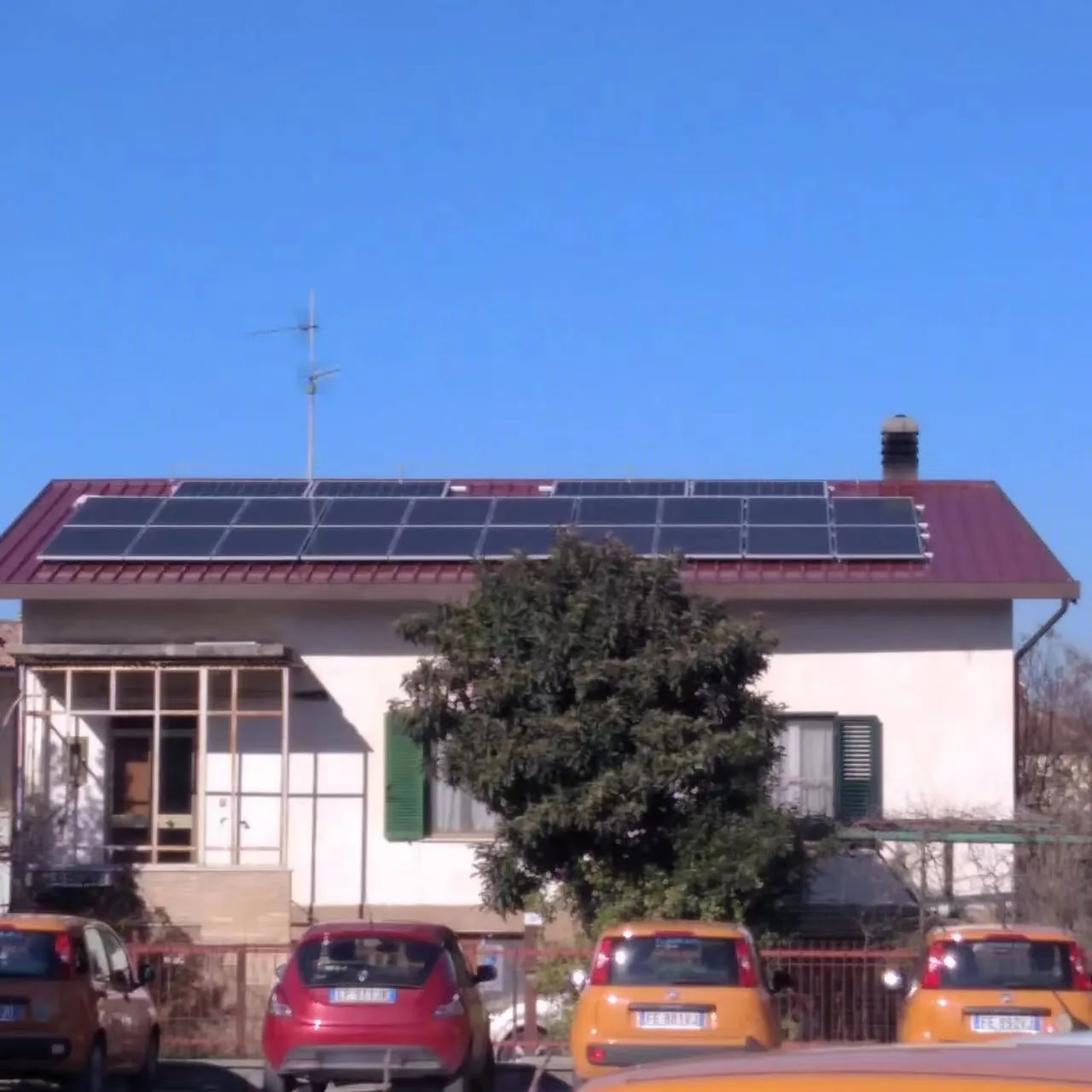
Choosing solar panels isn't as simple as grabbing the first option off the shelf. For tiny houses, you need to balance efficiency, size, weight, and durability. Let's break down the key factors:
Now, here's where a one-stop architectural solution provider like Coloria shines. Instead of piecing together components from different suppliers, you can get solar panels, batteries, and even related materials (like energy-efficient windows or insulation) all in one place. It simplifies the process, saves time, and ensures everything works together smoothly.
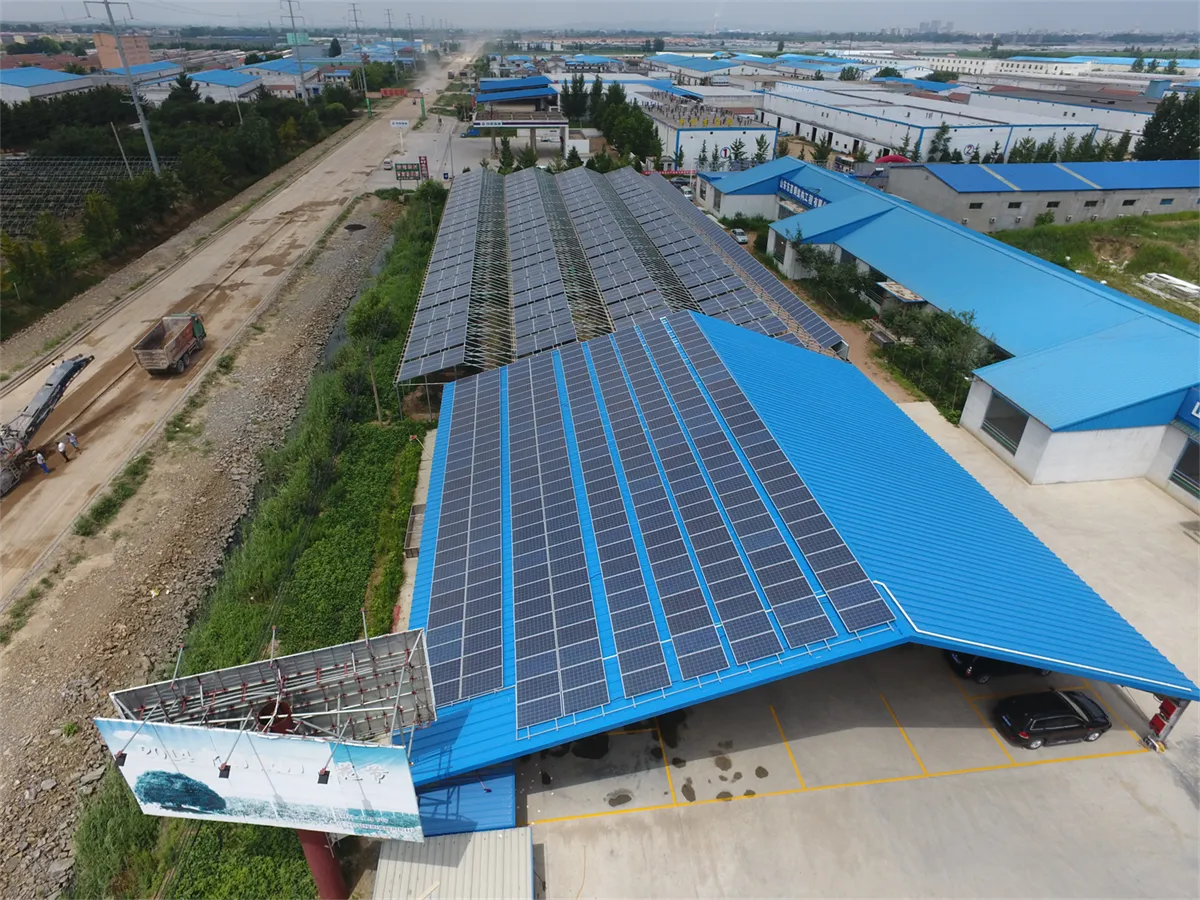
Let's talk about Coloria. As a global leader in building materials, Coloria isn't just another solar panels supplier —they're a partner who understands the unique needs of residential projects, especially tiny houses. Here's why they stand out:
Coloria's solar panels are designed with residential use in mind, and that includes tiny houses. Their product line features high-efficiency monocrystalline panels that pack maximum power into minimal space. For example, their 320W monocrystalline panel measures just 1.6m x 0.9m—small enough to fit on most tiny house roofs while delivering enough energy to power appliances, lighting, and even a mini-fridge. Plus, they're lightweight (around 18kg per panel), so you won't have to worry about structural stress.
Coloria's focus on sustainable building solutions and green building materials aligns perfectly with tiny house values. Their solar panels are made with eco-friendly materials and manufacturing processes, reducing carbon emissions from production to installation. They also offer flexible solar panels—thin, bendable options that can be installed on curved surfaces (like a tiny house's rounded roof) or even integrated into exterior walls, opening up new design possibilities without sacrificing efficiency.
With years of experience as a residential building materials supplier , Coloria knows what homeowners need. They've worked on countless projects, from small cabins to full-sized homes, and bring that knowledge to tiny house solutions. Their team can help you assess your energy needs, recommend the right number of panels, and even suggest complementary products—like energy-efficient LED lighting or low-consumption appliances—to maximize your tiny home's efficiency.
To help you see the difference, let's compare common solar panel types and how Coloria's offerings stack up. This table breaks down efficiency, size, weight, and best use cases—so you can pick the perfect fit for your tiny home:
| Solar Panel Type | Efficiency Range | Typical Size (per panel) | Weight (per panel) | Best For | Coloria Advantage |
|---|---|---|---|---|---|
| Monocrystalline (Coloria) | 19-23% | 1.6m x 0.9m | 18kg | Roofs with limited space; high energy needs | 25-year warranty; lightweight design; eco-friendly materials |
| Polycrystalline (Standard) | 15-17% | 1.6m x 0.9m | 20kg | Budget-focused projects; larger roof areas | Coloria's poly options still include 10-year warranty and better durability |
| Thin-Film (Flexible) | 10-13% | Customizable (rollable) | 5kg/m² | Curved surfaces; non-traditional installations | Coloria's flexible panels are fire-resistant (Class A) and weatherproof |
As you can see, Coloria's panels excel in efficiency, weight, and durability—exactly what tiny house owners need. And because they're part of a broader sustainable building solutions portfolio, you can trust that every product is designed with both performance and planet in mind.
Here's the real beauty of working with Coloria: they don't stop at solar panels. As a one-stop provider, they offer everything you need to build or upgrade your tiny house—all with the same focus on quality and sustainability. Let's explore a few key products that complement your solar setup:
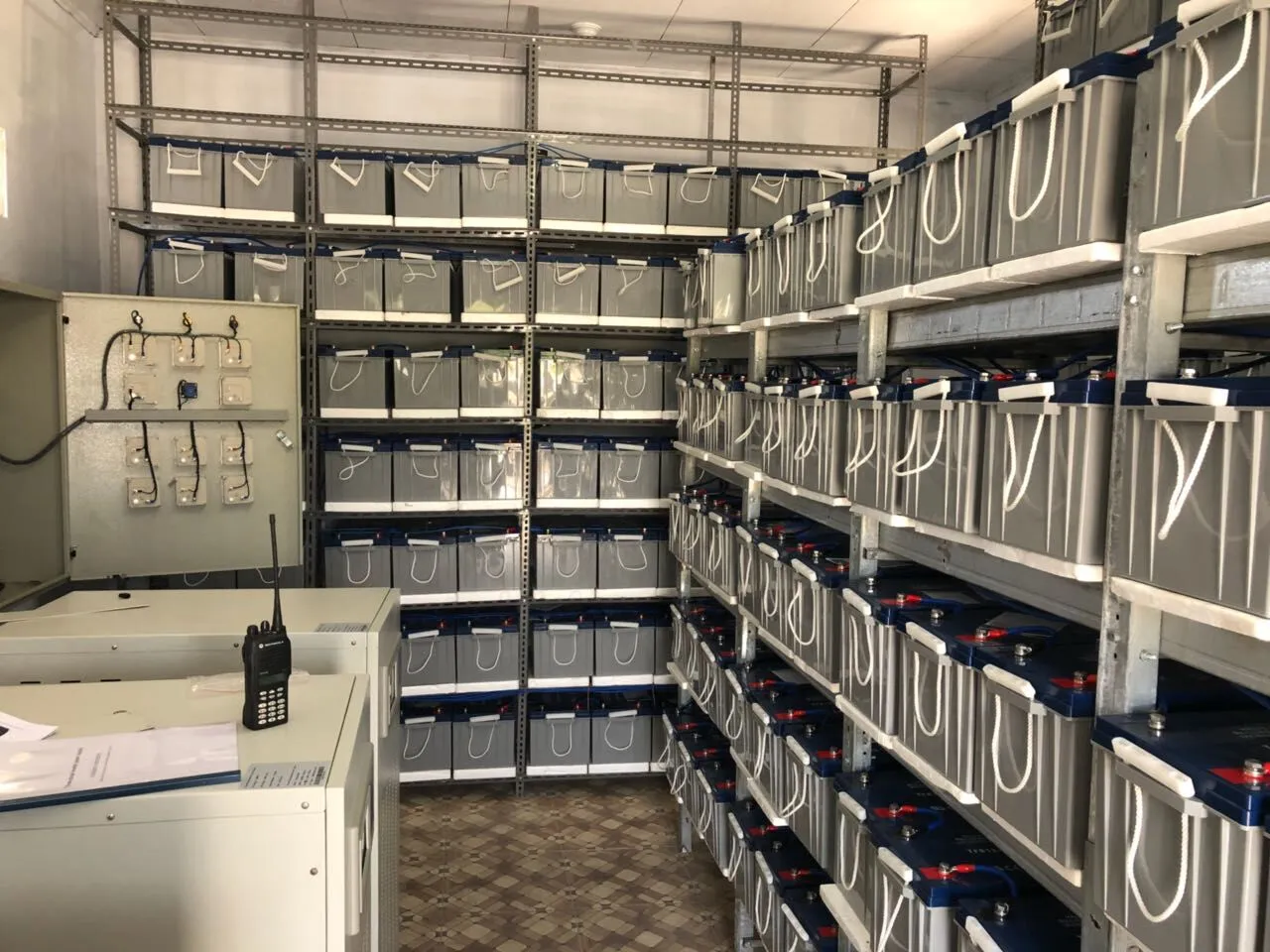
Off-grid tiny houses need batteries to store excess solar energy for nights or cloudy days. Coloria offers lithium-ion batteries that pair seamlessly with their solar panels, ensuring you have power when you need it. Their 5kWh battery is compact (about the size of a small cooler) and can be mounted on a wall, saving floor space.
What's the point of generating solar power if your house is leaking heat or cool air? Coloria's double-glazed, low-E windows and insulated doors minimize energy loss, keeping your tiny home comfortable year-round. Less energy wasted means your solar panels work smarter, not harder.
Proper insulation is another key to energy efficiency. Coloria's green (green building materials) include bamboo charcoal board wall panels—natural, moisture-resistant, and excellent at regulating temperature. They're also fireproof (Class A), adding an extra layer of safety to your tiny home.
Pair your solar panels with energy-efficient LED lighting and low-wattage appliances from Coloria's kitchen and home collection. Their compact, energy-star rated mini-fridges and induction cooktops use minimal power, ensuring your solar setup can handle all your needs without overloading.
The result? A fully integrated, energy-efficient tiny house where every component works together. No more coordinating with multiple suppliers—just one point of contact, one seamless process, and one beautiful, sustainable home.
Even the best solar panels need proper installation and care to perform at their best. Here's how Coloria supports you beyond the sale:
Coloria's team includes residential building specialists who can advise on panel placement (to maximize sunlight exposure), mounting options (roof, ground, or wall), and wiring. If you're working with a contractor, they can even provide technical specs to ensure a smooth install.
Solar panels are low-maintenance, but they do need occasional cleaning (to remove dirt or debris) and inspections. Coloria offers maintenance guides and can connect you with local service partners in many regions, including their network in Saudi Arabia and beyond. Their panels also come with a 25-year performance warranty, so you're covered if anything goes wrong.
With Coloria, you're not just buying a product—you're getting a partner invested in your tiny house's long-term success.
Let's put this into perspective with a real-world example. Meet Mia, a tiny house owner in Colorado who wanted to live off-grid without sacrificing comfort. She had a 200 sq. ft. home with a sloped roof and limited space. Here's how Coloria helped:
Mia's story isn't unique. With the right solar panels and a residential building materials supplier that understands small-space living, energy independence is within reach for any tiny house owner.
Tiny house living is about freedom—freedom from debt, from excess, and from reliance on outdated systems. Solar panels are a big part of that freedom, and choosing the right supplier can make all the difference. Coloria brings decades of experience, a commitment to sustainable building solutions , and a one-stop approach that simplifies your project from start to finish.
Whether you're building a new tiny house or upgrading an existing one, Coloria's solar panels and residential building materials are designed to maximize efficiency, minimize hassle, and help you live more sustainably. So why wait? Start your journey to energy independence today—and let Coloria be your guide.
After all, your tiny house deserves the best. And the best starts with power that's clean, efficient, and uniquely yours.
Recommend Products












