
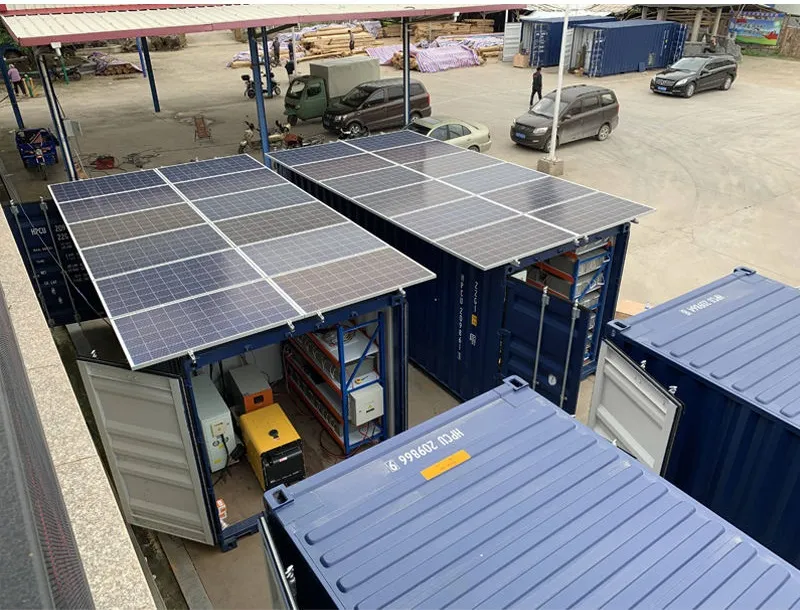
Tiny homes, RVs, and cozy cabins aren't just housing trends—they're lifestyles. They're about freedom: escaping the hustle, living closer to nature, and reducing your footprint. But here's the catch: these spaces run on limited energy. You can't just plug into a grid when you're parked by a mountain lake or tucked into a forest clearing. That's where solar panels step in. They turn sunlight into power, letting you keep the lights on, the fridge cold, and your devices charged—all without relying on fossil fuels or distant power lines.
But not all solar panels are built for tiny living. You need something efficient, durable, and sized to fit your unique space. Whether you're converting a van, building a cabin, or downsizing to a 300-square-foot home, the right solar setup can make or break your experience. That's why we're diving into what makes a solar panel perfect for tiny spaces, and how a one-stop architectural solution provider like Coloria can turn your off-grid dreams into reality.
Tiny living is booming, and for good reason. More people are choosing smaller spaces to cut costs, reduce waste, and prioritize experiences over square footage. But tiny homes—whether on wheels or fixed—come with big energy challenges. Traditional generators are noisy, smelly, and require constant refueling. Extension cords limit your freedom. Solar panels? They're quiet, renewable, and once installed, they work for you, day in and day out.
Take Sarah, a freelance writer who lives in a 220-square-foot RV. "I used to stress about finding campgrounds with electrical hookups," she says. "Now, with solar panels on my roof, I can stay off-grid for weeks. I charge my laptop, run my mini-fridge, and even power a small heater on cloudy days. It's changed how I travel—no more being tied to a spot just for electricity."
Or consider Mark and Lisa, who built a cabin in the Colorado Rockies. "We wanted to live as sustainably as possible," Mark explains. "Solar was a no-brainer. Our panels blend into the roof, they're tough enough to handle snow and hail, and we even sell excess energy back to the grid in summer. It's not just about saving money—it's about living in harmony with the land."
Solar panels aren't just a power source for tiny homes; they're a lifestyle enabler. They let you live where you want, when you want, without sacrificing comfort. And as more people embrace this way of life, the demand for reliable, space-efficient solar solutions is skyrocketing.
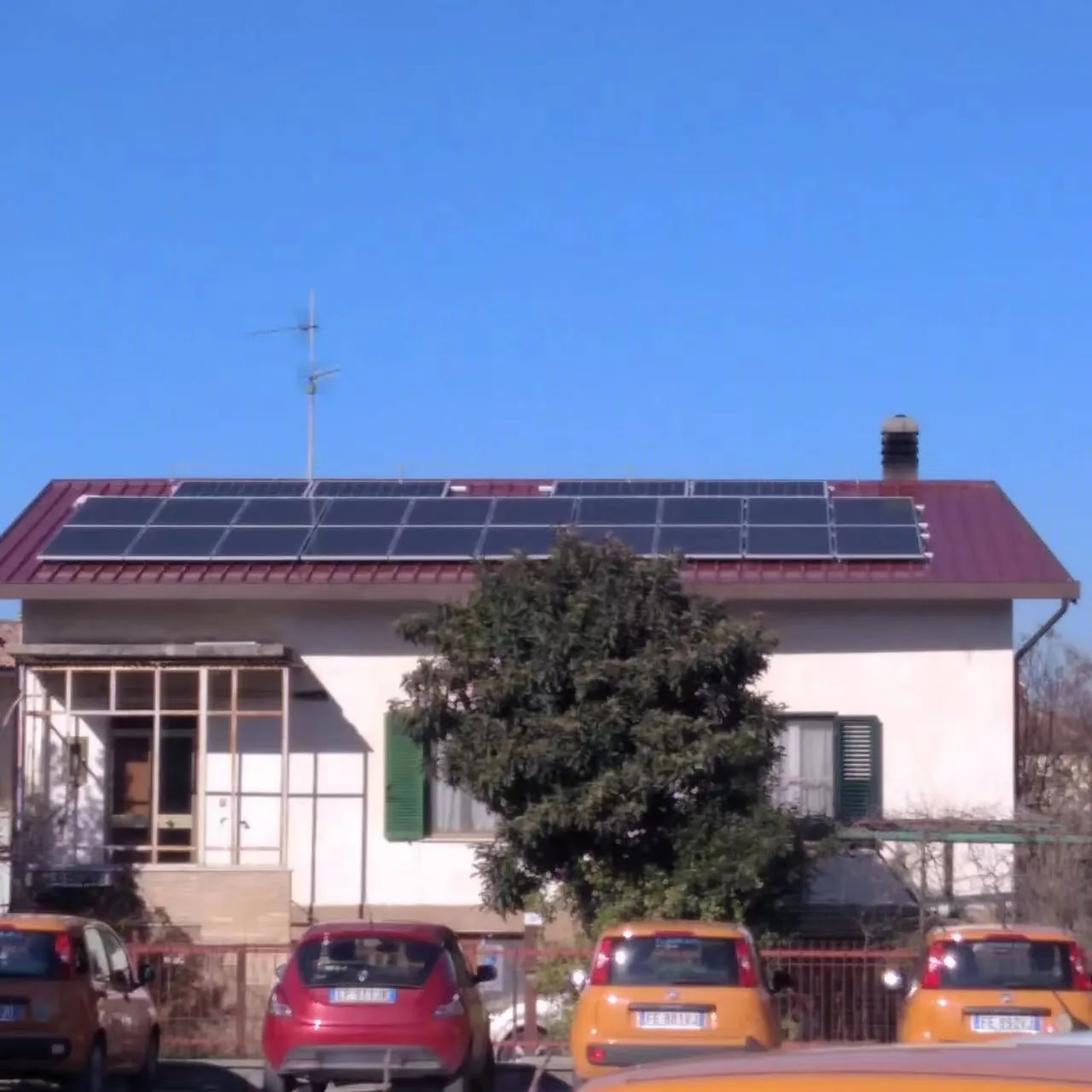
Choosing solar panels for a tiny home isn't the same as picking panels for a suburban house. You've got limited roof space, unique weight constraints (especially for RVs), and specific energy needs. Here's what matters most:
Tiny homes don't have room for sprawling solar arrays. You need panels that cram as much power as possible into a small area. Look for high-efficiency models (20% or higher) that convert more sunlight into electricity. This way, even a few panels on your roof can meet your daily needs.
RV roofs can't handle heavy panels, and cabin roofs might have limited square footage. Lightweight, compact panels are key. Flexible solar panels are a game-changer here—they bend to fit curved surfaces (like RV roofs) and weigh half as much as traditional rigid panels.
Your tiny home might face extreme weather: scorching desert sun, mountain snow, coastal salt spray. Panels need to be weatherproof, scratch-resistant, and built to last. Look for models with strong frames, shatterproof glass, and warranties of 25 years or more.
Tiny homes are all about intentional design—you don't want clunky panels ruining your aesthetic. Panels that blend with your roofline, or even double as roof shingles, keep your home looking sleek. And since you might need other building materials (like roofing, siding, or batteries), a one-stop supplier can ensure everything works together seamlessly.
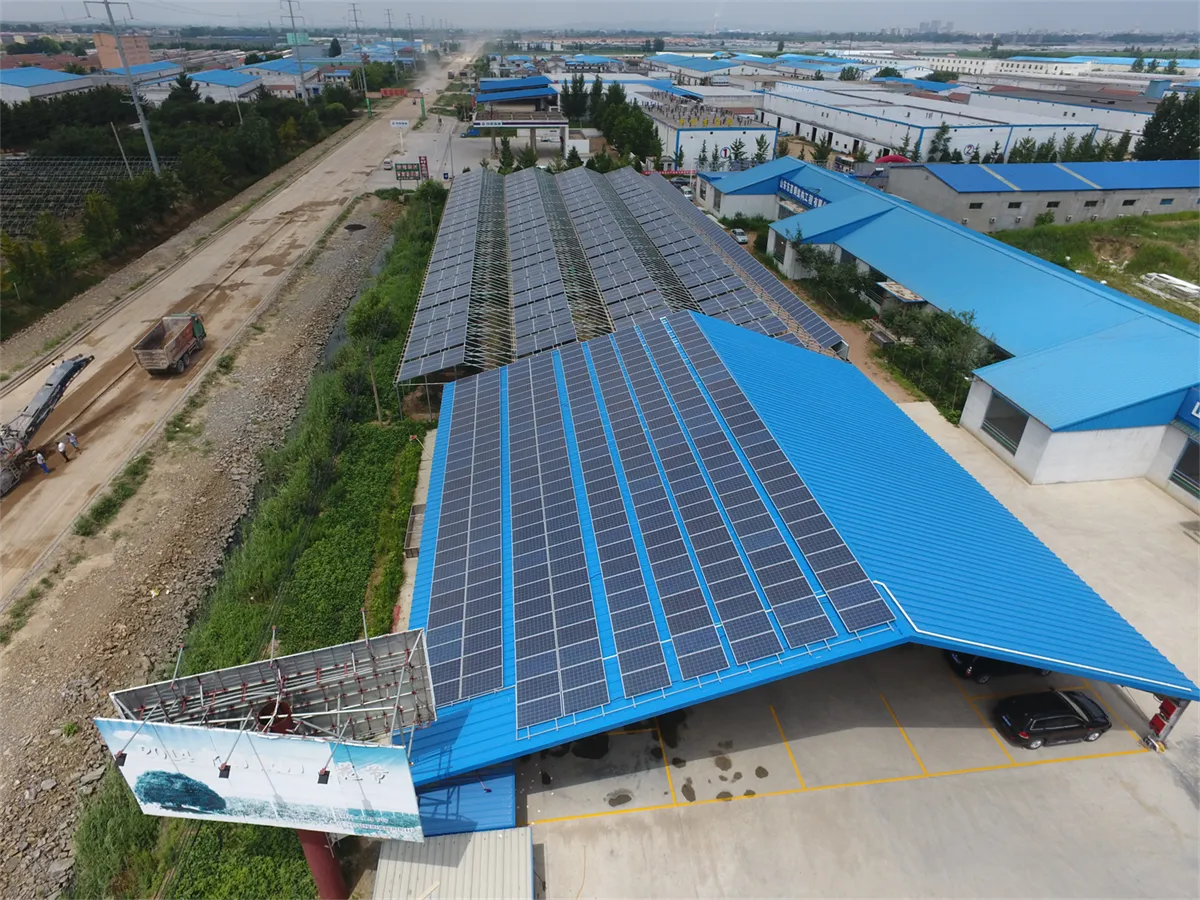
When it comes to solar panels for tiny homes, not all suppliers are created equal. Coloria, a global leader in building materials and sustainable solutions, gets what tiny homeowners need. They're not just a solar panels supplier—they're a partner who understands the unique challenges of small-space living. Here's how they deliver:
Coloria's solar panels are engineered for maximum efficiency, with options that hit 22% conversion rates—among the highest in the industry. That means a 300-watt panel from Coloria can produce as much energy as a 350-watt panel from a lower-quality brand, saving you precious roof space. For RV owners, their lightweight models (under 20 lbs per panel) won't strain your roof, while their rigid panels for cabins stand up to hail, wind, and snow.
Got a curved RV roof? Coloria's flexible solar panels bend to fit, adhering directly to your roof without bulky mounting brackets. Building a cabin with a unique roofline? Their team can help design a custom array that follows your roof's angles, maximizing sunlight exposure. And since they offer everything from mounting hardware to inverters and batteries, you won't waste time coordinating with multiple suppliers.
Tiny living and sustainability go hand in hand, and Coloria's solar panels are part of their broader commitment to green building materials. Their panels are made with eco-friendly materials, reduce carbon emissions, and align with global "" (dual carbon goals) for a greener planet. For tiny homeowners who care about their environmental impact, this isn't just a bonus—it's a must.
Here's where Coloria truly shines: they're a one-stop architectural solution provider. Beyond solar panels, they offer everything you need to build or upgrade your tiny home: from energy-efficient windows and insulation to kitchen appliances and bathroom fixtures. Imagine designing your solar system, picking out your flooring, and ordering your custom cabinets—all from one supplier. No more juggling delivery dates or worrying if your solar inverter will work with your appliances. Coloria handles it all, so you can focus on enjoying your tiny home.
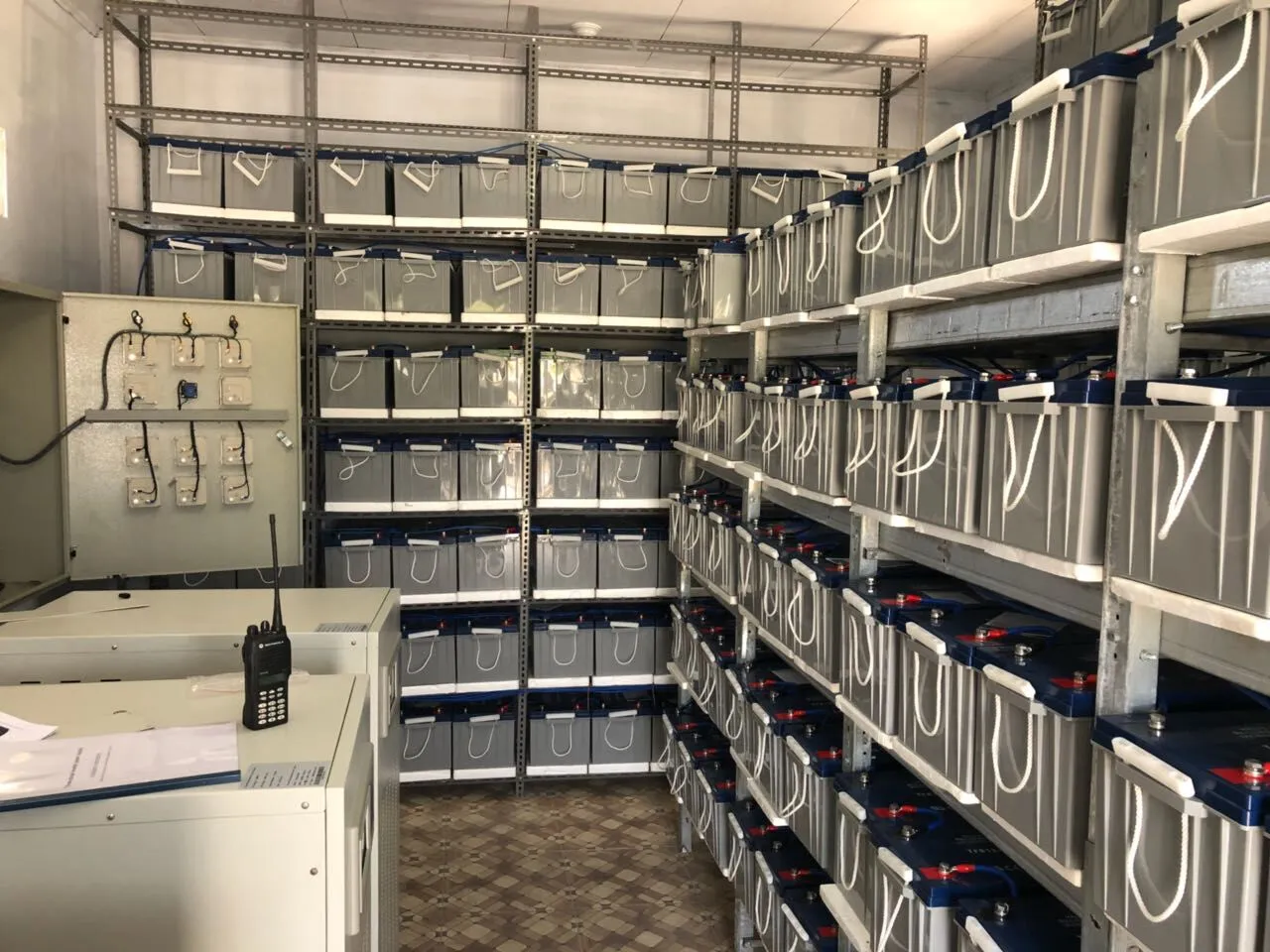
Don't just take our word for it—Coloria's solar solutions are already powering tiny homes, RVs, and cabins around the world. Here are a few examples:
Meet the Garcias, a family of three traveling North America in their 28-foot RV. They needed solar panels that could keep up with their needs: charging laptops for remote work, running a mini-fridge, and powering a small AC unit in summer. Coloria's flexible solar panels (4 panels, 300 watts each) fit perfectly on their curved roof, weighing just 12 lbs each. "We've been off-grid for 6 months now," says Maria Garcia. "Even on cloudy days, we have enough power. And since Coloria also supplied our energy-efficient LED lights and low-power fridge, everything works together seamlessly."
John, a retired teacher, built a 400-square-foot cabin in the Swiss Alps. He wanted solar panels that could handle heavy snow and blend with his cabin's stone exterior. Coloria's rigid, high-efficiency panels (22% efficiency) were installed at a steep angle to shed snow, and their black frames match his roof shingles. "These panels are tough," John laughs. "Last winter, we had 3 feet of snow, and they still produced power. And since Coloria provided my roofing materials too, the install was a breeze—no coordination headaches."
Lila lives in a tiny home in a crowded city, where space is even more limited. Her roof is small, but she wanted to reduce her reliance on the grid. Coloria's solar shingles (which look like regular roof shingles but generate power) were the perfect solution. "My home looks just like the others on the block, but I'm generating my own electricity," she says. "And since Coloria also supplied my insulated walls and energy-efficient windows, my energy needs are so low that just 200 square feet of solar shingles cover everything."
Wondering how Coloria stacks up? Here's a quick comparison of their top solar panels for tiny homes against other leading brands:
| Feature | Coloria Flexible Solar Panel | Brand X Rigid Panel | Brand Y Compact Panel |
|---|---|---|---|
| Efficiency | 21% | 18% | 19% |
| Weight (per panel) | 10 lbs | 25 lbs | 15 lbs |
| Durability | Weatherproof, 25-year warranty | Water-resistant, 10-year warranty | Weatherproof, 15-year warranty |
| Flexibility | Bends to 30° (fits curved roofs) | Rigid (flat roofs only) | Semi-flexible (15° bend) |
| Integration with Other Materials | Yes (one-stop supplier for roofing, batteries, etc.) | No (solar-only) | Limited (some roofing options) |
Still unsure if solar is right for your tiny home? Here are answers to common questions:
A: It depends on your energy use. Most tiny homes need 2-6 panels. For example, if you use 10 kWh per day and have 20% efficient panels (300 watts each), you'll need about 5 panels. Coloria's team can do a free energy audit to help you calculate exactly what you need.
A: DIY is possible for simple setups, but for safety and efficiency, professional installation is better—especially if you're adding batteries or wiring into your home's electrical system. Coloria partners with local installers in many regions to make this easy.
A: Pair your panels with a battery storage system (Coloria offers these too!) to store excess energy for cloudy days or nighttime use. For extended cloudy periods, you can also connect to a generator or the grid as backup.
A: Absolutely. Solar panels pay for themselves in 5-10 years through energy savings, and they increase your home's resale value. Plus, you'll save money on campground hookups (for RVs) or grid connection fees (for cabins).
Tiny living is about freedom, sustainability, and designing a life that fits you—not the other way around. Solar panels are the key to unlocking that freedom, letting you live off-grid, reduce your carbon footprint, and focus on what matters most. And with Coloria—your one-stop architectural solution provider—you've got everything you need to make it happen: high-efficiency solar panels, durable building materials, and a team that understands your tiny home dreams.
Ready to power your tiny home with the sun? Reach out to Coloria today. They'll help you design a solar system that fits your space, your budget, and your lifestyle. Because when it comes to tiny living, the right partner makes all the difference.
Recommend Products












