
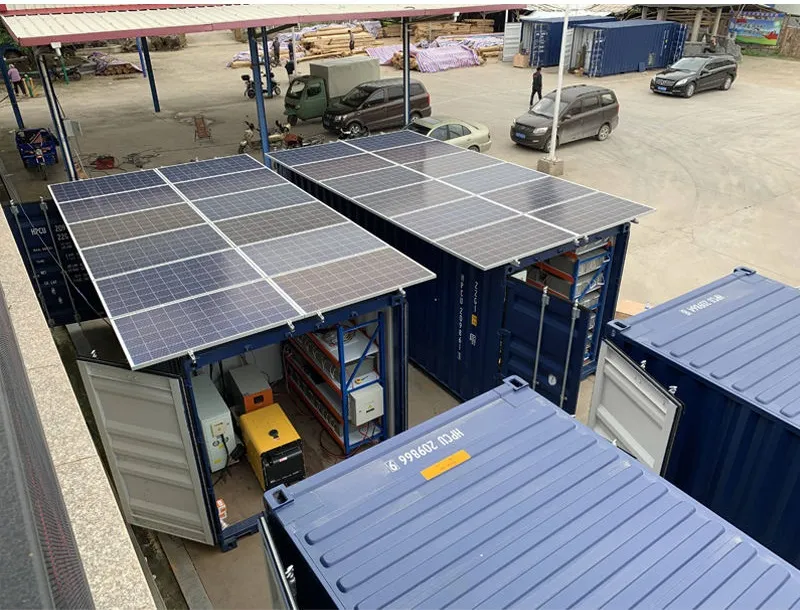
Let's be real—selecting solar panels for your business isn't like picking out office furniture. It's a decision that'll impact your bottom line for decades. With all the jargon and tech specs flying around, it's easy to feel overwhelmed. But here's the good news: by the end of this guide, you'll have crystal-clear understanding of your best options for commercial solar arrays in 2025.
I've spent months analyzing the market, digging into real-world performance data, and chatting with commercial installers to bring you this straightforward comparison. We'll skip the hype and focus on what actually matters for your business: durability, efficiency, and long-term value. Whether you're a warehouse operator looking to slash energy costs or a tech campus chasing sustainability goals, the perfect solar solution is out there waiting for you.
Commercial solar arrays play by different rules than their residential cousins. When you're dealing with thousands of panels instead of dozens, every percentage point of efficiency matters exponentially. Let me break down what makes this market unique:
The bottom line? Your ideal commercial panel blends max efficiency with industrial-strength durability. Anything less is leaving money on the table.
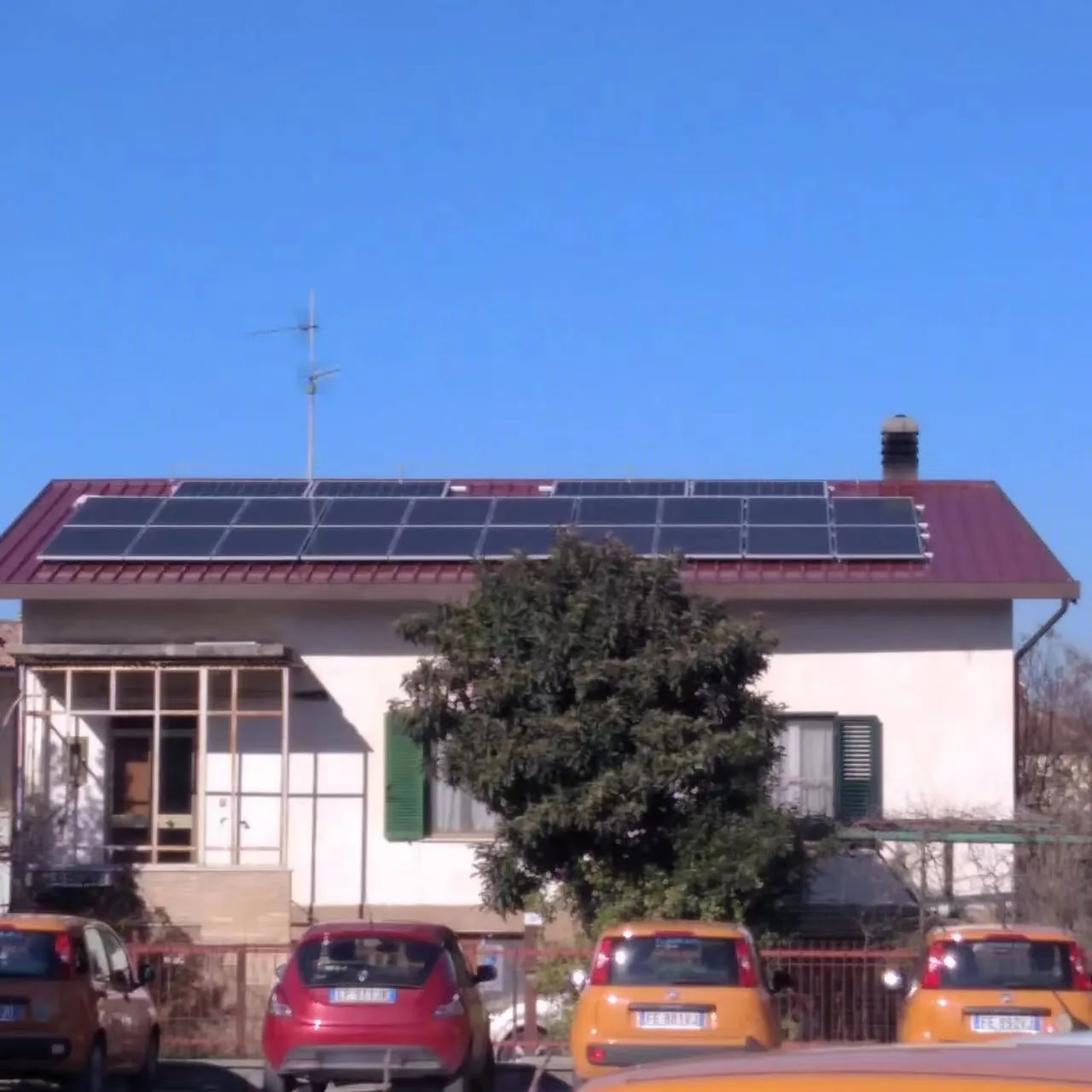
After crunching performance data and real-world reliability scores, three major players dominate the commercial space this year. Each brings unique strengths to the table—let's meet them:
Meet the workhorse of commercial solar. Canadian Solar nailed the sweet spot between affordability and performance with their MaxPower series. What makes this panel such a commercial favorite?
First, their low-light performance is genuinely impressive. One logistics center owner told me: "Even on gloomy Pacific Northwest mornings, our array kicks out power when competitors' panels are still snoozing." That passive income starts flowing earlier and lasts longer each day.
But what really seals the deal? Canadian Solar's global supply chain reliability. They've maintained remarkably consistent stock levels despite industry-wide shortages. As one installer put it: "When supply chains get wonky, Canadian Solar panels still show up on time—that consistency is worth its weight in gold for project planning."
Panasonic's HIT series are the premium sports cars of solar panels—engineered for peak performance. We're talking 19-20% efficiency rates that consistently top industry benchmarks.
The difference shows up on your balance sheet. A hotel chain CFO shared this insight: "Our Panasonic-equipped locations consistently outperform other properties by 8-12% in energy generation per square foot. That premium pays for itself within warranty periods."
But here's where Panasonic really shines (pun intended): their industry-leading 25-year warranties. Unlike competitors that might waffle on claims, Panasonic's service reputation is stellar. "When we've needed warranty support, they handled it with zero runaround," remarked a university facilities director. "That peace of mind matters when you're making 25-year investments."
The newcomer on this list is making waves with bleeding-edge efficiency. Solaria's "hidden wiring" design achieves panel efficiencies up to 21.3%—numbers that recently attracted major data center clients.
Their aesthetic game is strong too. The all-black design and clean lines appeal to architects and campus planners. A shopping mall developer explained: "Our design committee nixed other panels for looking 'too industrial.' Solaria's sleek profile got unanimous approval."
What truly differentiates Solaria though? Their forward-compatibility features. PowerXT panels integrate seamlessly with upcoming battery and smart-grid tech. "We're planning phased upgrades over 10 years," shared a manufacturing plant manager. "Knowing our current panels will talk to tomorrow's tech is huge."
| Specification | Canadian Solar MaxPower | Panasonic HIT | Solaria PowerXT |
|---|---|---|---|
| Efficiency Range | 18.6-19.8% | 19.2-20.1% | 20.6-21.3% |
| Temperature Coefficient | -0.34%/°C | -0.26%/°C | -0.30%/°C |
| Wattage Range | 315-335W | 320-340W | 330-350W |
| Degradation Rate | 0.55% annually | 0.25% annually | 0.30% annually |
| Product Warranty | 15 years | 25 years | 20 years |
| Performance Warranty | 85% after 25 years | 92% after 25 years | 90% after 25 years |
| Best For | Cost-sensitive projects | Maximizing limited roof space | Future tech integration |
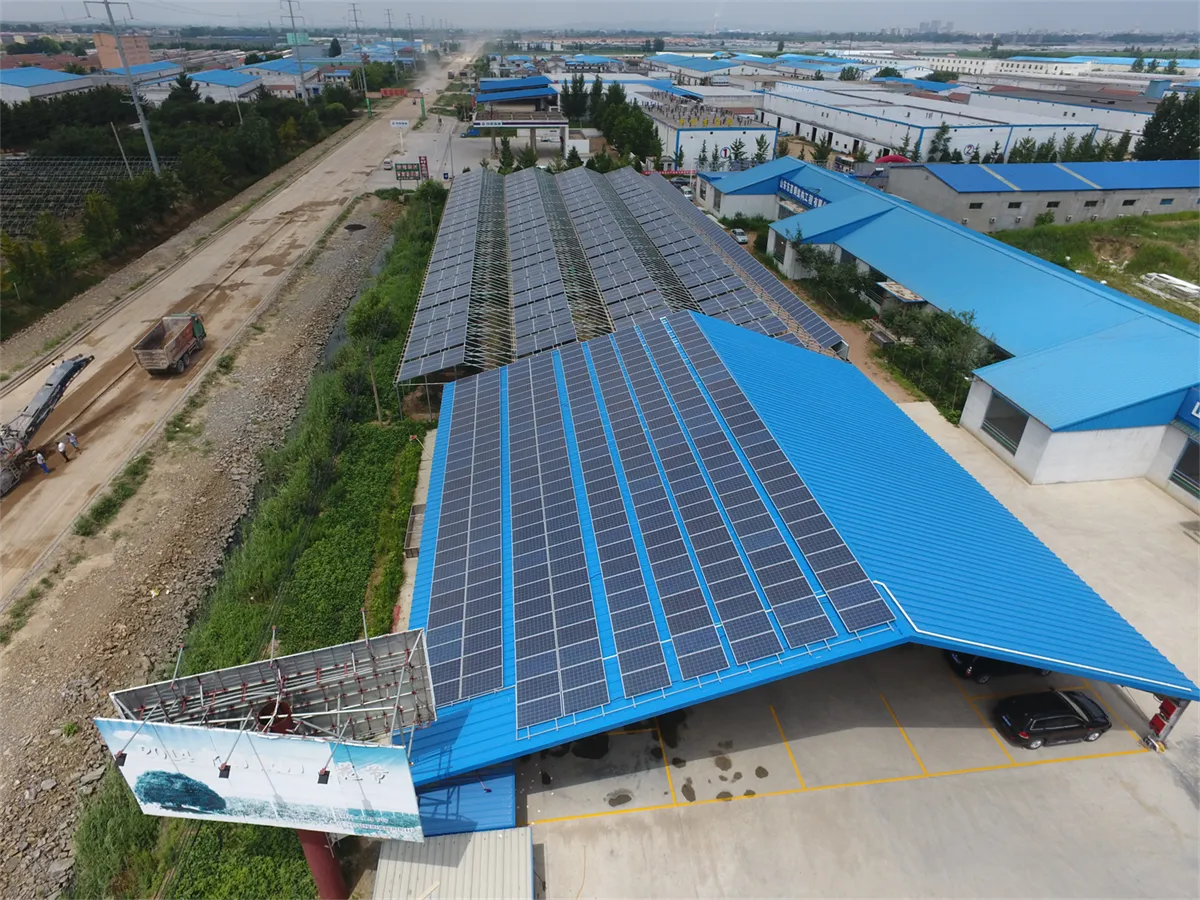
Picking panels isn't just comparing spec sheets. Through dozens of interviews, I've identified what truly moves the needle for commercial projects:
Pro Tip: Always request independent degradation reports. Reputable manufacturers provide third-party verified testing data showing real-world performance over simulated years.
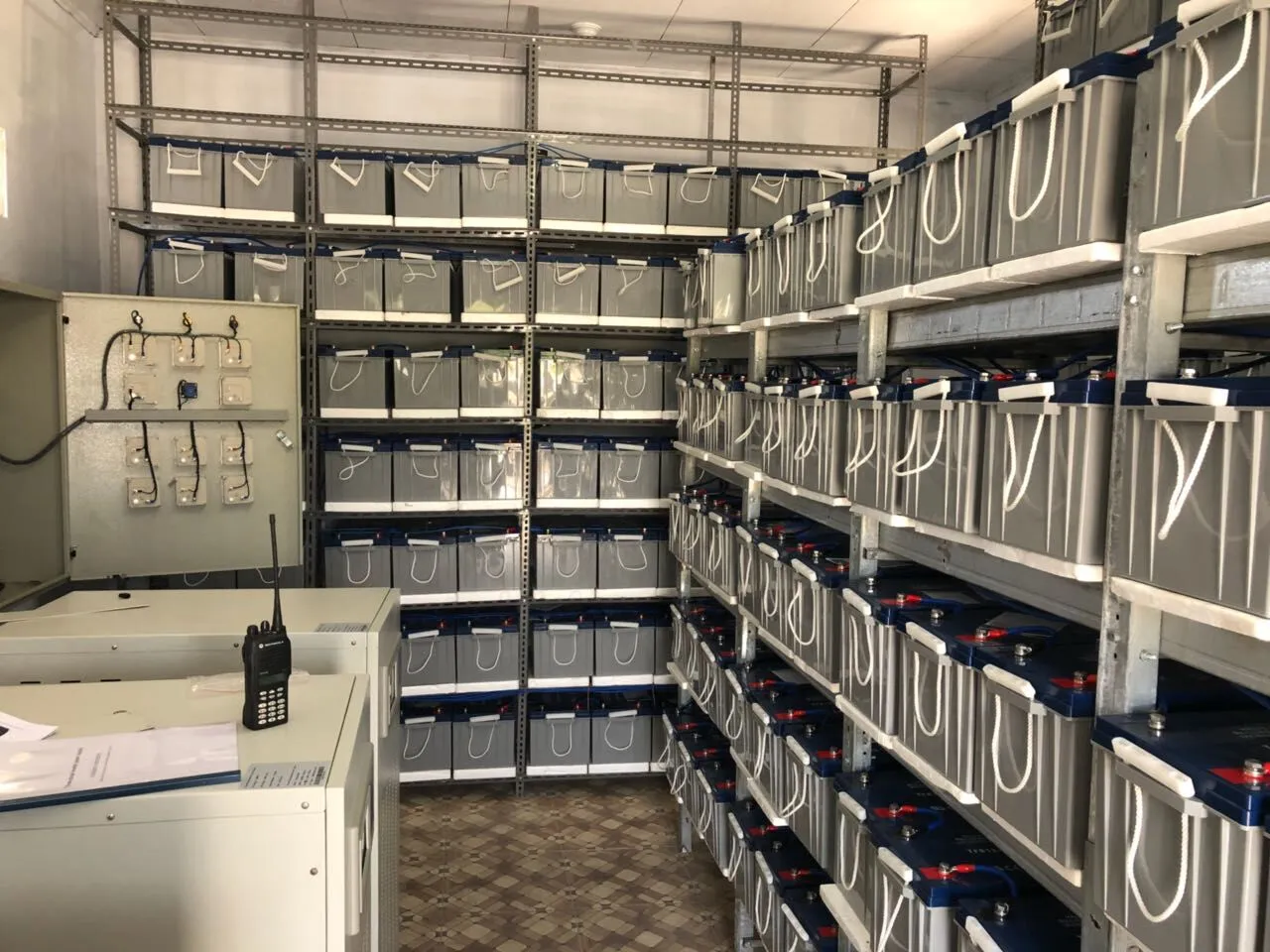
Implementing a commercial solar array is more marathon than sprint. Here's what seasoned professionals shared about the key phases:
Pre-Installation Planning: This is where most projects succeed or fail. Comprehensive structural analysis catches hidden gotchas. "We discovered a supermarket roof couldn't support standard ballasted mounts," an engineer recalled. "Switching to rail-less panels saved the project."
Commissioning Challenges: Getting grid interconnection approval remains the biggest headache. Commercial projects average 4-9 months for utility approval. Savvy companies initiate this process while equipment orders ship.
Post-Installation Care: Commercial arrays need thoughtful maintenance plans. "We implement drone-based thermography scans every six months," shared a tech park facilities manager. "Finding one faulty panel quickly prevents whole-string underperformance."
Let's cut through the financial fluff. Yes, premium panels cost more upfront. But how does it really play out over 20+ years?
The Price Differential: Top-tier panels command 15-20% premiums over budget options. For a 500kW system, that's roughly $40-70k extra.
The ROI Reality: Higher efficiency reduces balance-of-system costs. Case study: A distribution center saved $28k in racking and wiring by needing fewer high-efficiency panels.
The Production Payoff: Premium panels outperform by 5-8% annually. That's like getting an extra 1-2 months of free production every year. Over 25 years, this dwarfs the initial premium.
A CFO at a national retail chain put it bluntly: "We switched to premium panels after analyzing our first 100 stores. The incremental cost delivered 40% better ROI over 15 years compared to budget options."
Where's all this heading? Based on industry insights and manufacturer roadmaps:
400W+ Commercial Modules: Multiple manufacturers expect production-ready 400W panels by 2026. This shrinks footprint requirements another 15%.
Built-In Storage Integration: Next-gen panels feature plug-and-play DC-coupled battery connections. "It eliminates inverter conversion losses," explained an R&D director. "Commercial sites could gain 8-12% storage efficiency."
AI-Powered Maintenance: Companies are piloting panels with embedded microchips that flag degradation before humans spot it. Early adopters report maintenance cost reductions up to 35%.
One exciting development involves solar panel solutions incorporating advanced polymer composites, potentially revolutionizing how we think about panel durability and efficiency.
After everything we've covered, here's your practical checklist for choosing:
Final Thought: Your solar investment will likely outlast your current role. Make choices your successor will thank you for. In 2040, nobody remembers saving 10% upfront—everyone remembers systems that deliver consistent performance decades later.
Recommend Products












