
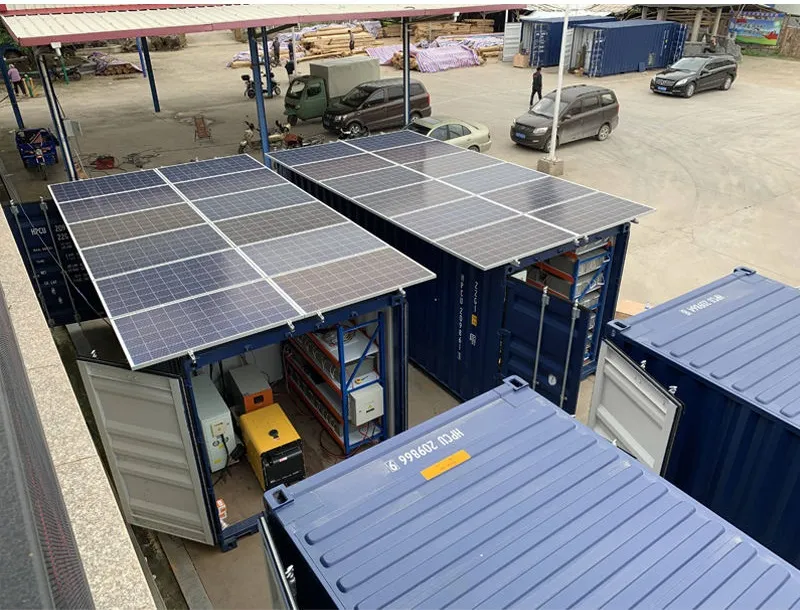
Got trees around your property? Neighboring buildings casting shadows? Don't let partial shading stop you from harvesting solar power. Modern shade-tolerant panels use smart technologies to minimize power loss when shadows inevitably fall on your array. This guide explores how these systems work and helps you choose the right solution for your specific shading challenges.
Solar panels are essentially daisy-chained systems of photovoltaic cells. When even one cell gets shaded—whether by a tree branch, chimney shadow, or bird dropping—it becomes the weak link in the chain. Here's what happens:
Remember old Christmas lights where one burned-out bulb killed the whole string? Traditional solar panels work similarly. When a shaded cell stops producing energy, it restricts current flow through the entire panel or even the entire string. Unshaded cells keep generating power that has nowhere to go except into the shaded cell, causing heat buildup.
This resistance in shaded cells creates dangerous hot spots where temperatures can soar 50°F higher than surrounding areas. Over time, these hotspots cause:
It's like having runners in a relay race where one runner stops—the whole team gets stuck behind them, wasting energy.
These electronic safety valves create detours around shaded cells. When diodes detect voltage drops from shading, they redirect current flow around the problem area. Imagine traffic being rerouted around an accident—that's what bypass diodes do for electrons.
| Shading Type | Traditional Panel Impact | Modern Anti-Shading Impact |
|---|---|---|
| Partial Shading (leaf shadow) | 50-80% power loss | 10-20% power loss |
| Full Cell Shading | Hot spot risk, safety hazard | Safe energy rerouting |
| Bypass Activation | Slow response, incomplete | Instant protection |
Cutting-edge panels take protection further by dividing panels into smaller "zones"—sometimes protecting as few as 1-4 cells per diode versus 18-24 cells in older systems. This fine-grained approach means:
For homes surrounded by mature trees or multi-story neighbors, shade-tolerant panels prevent daily performance dips. Installers report 35% more annual energy harvest compared to conventional panels on shaded roofs.
RVs, boats, and campers constantly move through shifting light conditions. Shade-proof systems adapt minute-to-minute as you park under trees or sail past bridges.
City rooftops face unique shading challenges from water towers, HVAC units, and adjacent buildings. Modern anti-shading panels make solar viable where older tech would underperform.
While technology helps, smart placement minimizes shading issues:
In extreme shade environments, combine solar with wind turbines or micro-hydro systems for consistent renewable energy—using **green and environmentally friendly building materials** throughout your installation.
Anti-shading tech works best when supported by:
| Component | Standard System | Optimized Shade System |
|---|---|---|
| Optimizers | None or string-level | Module-level power electronics |
| Monitoring | Basic production data | Per-panel performance tracking |
| Inverters | String inverters | Microinverters or hybrid systems |
Shaded environments demand extra care:
While shade-proof panels cost 10-15% more upfront, their advantages pay off:
| Factor | Benefit | Impact |
|---|---|---|
| Energy Production | 20-40% more in shade | Faster payback period |
| System Longevity | Reduced thermal stress | 5+ years extended lifespan |
| Property Value | Reliable production | Higher resale value |
The next wave of shade technology includes:
No solar panel generates significant power in full darkness. Anti-shading tech specifically addresses partial shading where some light reaches panels.
Sometimes—microinverters or DC optimizers can retrofit shading protection to older systems, though performance gains may be less dramatic.
Installation resembles conventional systems, though some manufacturers recommend enhanced thermal management provisions in high-shade environments.
With premium shade-tolerant panels, expect about 15% performance loss versus up to 80% loss in conventional panels under the same shading conditions.
Final thought: Don't let perfect be the enemy of good. Even partially shaded roofs can deliver impressive solar returns with modern technology. By choosing shade-tolerant panels and designing your system thoughtfully, you turn "problem areas" into productive power generators.
Recommend Products












