
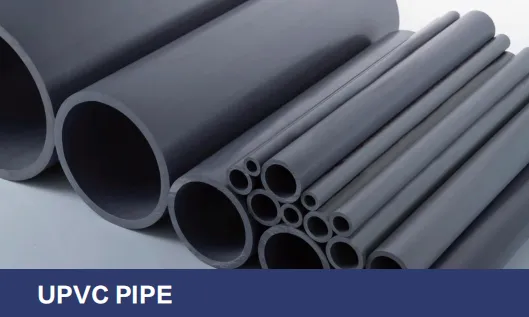
Walk into any home, hospital, school, or commercial building, and you'll find an unsung hero working quietly behind the walls, under the floors, and beneath the ground: UPVC pipes. These unassuming tubes carry water to our taps, channel waste away from our homes, and ensure that critical facilities like hospitals and schools have reliable plumbing systems. But like any hardworking component, UPVC pipes need care to keep performing at their best. Imagine the frustration of a burst pipe flooding your basement, or a clogged drain disrupting your morning routine—these headaches are often avoidable with the right maintenance habits. In this guide, we'll dive into the world of UPVC pipe solutions, exploring why they matter, what can go wrong, and most importantly, how to keep them in top shape for decades. Whether you're a homeowner, a facility manager, or a contractor, these best practices will help you protect your investment and ensure your plumbing systems run smoothly year after year.
Before we jump into maintenance, let's take a moment to appreciate what makes UPVC (Unplasticized Polyvinyl Chloride) pipes so widely used. Unlike regular PVC pipes, which may contain plasticizers that make them flexible but less durable, UPVC is rigid, strong, and free from added chemicals—making it ideal for high-pressure applications like water supply and drainage. Think of UPVC as the reliable workhorse of the plumbing world: it resists corrosion, doesn't rust or rot, stands up to most chemicals, and is lightweight enough to install without heavy machinery. No wonder it's the go-to choice for everything from residential water lines to industrial piping systems.
UPVC pipes come in various forms, each tailored to specific needs. For example, PVC DWV (Drain, Waste, Vent) pipes handle wastewater and sewage, relying on gravity and proper slope to move waste efficiently. Then there are pressure pipes designed for carrying drinking water, which must meet strict safety standards to ensure water purity. Even in specialized settings like hospitals, where hygiene and fire safety are paramount, UPVC plays a role—though it's often paired with other materials like Class A fireproof CPL inorganic boards for wall solutions. But regardless of the application, one thing remains constant: UPVC's longevity depends largely on how well it's maintained.
UPVC pipes are durable, but they're not indestructible. Over time, even the best-installed systems can face problems. Let's break down the most common issues and what causes them:
The good news? Most of these issues are preventable with proactive maintenance. Let's explore the best practices to keep your UPVC pipes healthy.
Maintenance starts before the first pipe is even laid. Choosing a reputable UPVC pipe supplier isn't just about getting a good price—it's about ensuring you're working with high-quality materials that meet industry standards. A reliable supplier will provide pipes and fittings that are uniform in thickness, free from defects, and certified for your specific application (e.g., potable water vs. drainage). They'll also offer guidance on proper installation, such as using the right solvent cement for joints or avoiding over-tightening fittings, which can crack the plastic.
Installation mistakes are one of the biggest causes of early pipe failure. For example, if a pipe is bent too sharply or installed with too much tension, it can stress the material over time, leading to cracks. Similarly, using mismatched fittings (e.g., mixing PVC and UPVC) or failing to align pipes properly can create weak points. That's why working with experienced installers who understand UPVC's properties is critical. A good UPVC pipe solution provider won't just sell you products—they'll partner with you to ensure the system is designed and installed for longevity.
Think of pipe inspections like regular checkups at the doctor—they help spot small issues before they become big, expensive problems. How often should you inspect? For residential systems, a visual check every 6 months is a good rule of thumb. For commercial or high-use facilities (like hospitals or schools), quarterly inspections may be necessary. Here's what to look for:
For hidden pipes (like those buried underground or inside walls), consider using technology like CCTV pipe cameras. These tools allow professionals to inspect the inside of pipes for blockages, cracks, or root intrusion without digging up your yard. Many pipes fittings suppliers also offer inspection services as part of their solutions, making it easier to stay on top of maintenance.
Cleaning is a key part of UPVC pipe maintenance, but not all cleaning methods are created equal. Harsh chemicals like sulfuric acid-based drain cleaners can eat away at UPVC over time, especially if they're left in the pipe for too long or mixed with other cleaners (which can create toxic fumes). Instead, opt for gentler alternatives:
For Preventing Clogs: Use drain strainers in sinks and showers to catch hair and debris. Pour boiling water down drains once a week to melt grease (but be careful—sudden temperature changes can shock older pipes). For kitchen sinks, avoid pouring oil or coffee grounds down the drain; compost or dispose of them in the trash instead.
For Minor Clogs: A plunger is often the best tool for dislodging blockages. For stubborn clogs, try a mixture of baking soda and vinegar: pour ½ cup of baking soda down the drain, followed by ½ cup of vinegar, cover the drain, and let it fizz for 15 minutes. Then flush with boiling water. This natural solution is safe for UPVC and effective for most organic clogs.
For Grease Buildup: Enzyme-based drain cleaners are another safe option. These cleaners use bacteria to break down grease and organic matter over time, without harming pipes. Just be sure to follow the instructions—they may take several hours to work, but they're much gentler than chemical alternatives.
UPVC pipes are sensitive to temperature, and extreme heat or cold can cause serious damage. Let's break down how to protect them in different environments:
Freezing Temperatures: Water expands when it freezes, and if that water is trapped in a UPVC pipe, the pressure can crack the pipe. To prevent this in cold climates:
High Temperatures: While UPVC can handle hot water (it's often used for PPR or PEX hot water lines in some systems), prolonged exposure to temperatures above 140°F (60°C) can weaken the material. In commercial settings like restaurants or laundromats, where hot water is used frequently, consider using heat-resistant UPVC or pairing pipes with insulation to reduce heat transfer. Outdoor pipes should also be shaded or painted with reflective paint to avoid overheating in direct sunlight, which can cause brittleness.
Minor issues like a loose joint or small clog can often be fixed with DIY methods, but bigger problems require professional help. Here's when to roll up your sleeves and when to call in the experts:
DIY-Friendly Repairs: Tightening a loose fitting, replacing a worn washer, or clearing a simple clog with a plunger are all safe for DIYers. You can also replace small sections of pipe (less than 2 feet) if you have the right tools and know how to use solvent cement properly. Just be sure to turn off the water supply before starting, and follow the instructions from your UPVC pipe supplier for cutting and joining pipes.
Call a Professional If: You notice a large crack, multiple leaks, or signs of extensive water damage (like mold or rotting wood). Professionals have the tools to locate hidden leaks, repair underground pipes with minimal digging, and ensure that replacements match the original system's specifications. They can also handle complex issues like root intrusion in sewer lines or repairing pipes that run through walls or concrete slabs—jobs that often require specialized equipment.
UPVC pipes don't exist in a vacuum—their surroundings play a big role in their lifespan. For example, pipes buried underground may be affected by soil conditions: rocky soil can put pressure on pipes, while acidic soil may corrode fittings over time. If you're installing new pipes, ask your supplier about soil compatibility; they may recommend adding a protective layer of sand or wrapping pipes in geotextile fabric to prevent abrasion.
Sunlight is another environmental threat. Outdoor UPVC pipes (like those used for irrigation or exposed drainage) should be painted with UV-resistant paint or wrapped in protective tape to block sunlight. Without protection, UV rays break down the plastic's molecular structure, making pipes brittle and prone to cracking. Many UPVC pipe solutions also include UV-stabilized pipes for outdoor use, so be sure to specify your needs when ordering from a supplier.
You might be wondering: "How does my supplier affect maintenance?" The answer is simple: quality materials last longer and require less upkeep. A reputable UPVC pipe supplier doesn't just sell pipes—they provide solutions that include high-quality products, expert advice, and support long after installation. Here's what to look for when choosing a supplier:
Certifications and Standards: Ensure the supplier's pipes meet industry standards, such as ASTM (American Society for Testing and Materials) or DIN (Deutsches Institut für Normung) specifications. For example, PVC-U SCH40 pressure piping systems should comply with ASTM D1785, while DWV pipes may follow ASTM D2665. Certifications ensure the pipes are tested for strength, durability, and safety.
Range of Solutions: A good supplier offers more than just pipes—they provide fittings, adhesives, and accessories designed to work together. Mismatched parts (like using a generic fitting with a branded pipe) can lead to leaks and failures. Look for suppliers that offer a full line of pipes fittings solutions , including elbows, tees, valves, and couplings, to ensure compatibility.
Technical Support: Installing UPVC pipes correctly is half the battle. Choose a supplier with knowledgeable staff who can help you select the right pipe size, thickness, and type for your project. Many suppliers also offer installation guides, video tutorials, or on-site support for large projects, which can prevent costly mistakes.
After-Sales Service: Even the best products can have issues. A reliable supplier stands behind their products with warranties and responsive customer service. If you encounter a problem with a pipe, they should help you troubleshoot, replace defective parts, or connect you with repair services. This level of support makes maintenance easier and gives you peace of mind.
Let's put these practices into context with a real-world example. A 10-story office building in Riyadh, Saudi Arabia, was constructed in 2010 using UPVC pipes for its water supply and DWV systems. For the first five years, the building's maintenance team followed a basic inspection schedule but didn't prioritize deep cleaning or temperature protection. By 2015, they started noticing frequent leaks in the basement and slow drains on the upper floors. Repairs were costing the building owner over $5,000 per year, and tenants were complaining about water pressure issues.
In 2016, the building hired a new facility manager who implemented a proactive maintenance plan. They partnered with a local UPVC pipe supplier to conduct a full system inspection using CCTV cameras, which revealed mineral buildup in the water lines and root intrusion in the main sewer line. The team then:
The results? By 2018, repair costs dropped to under $1,000 per year, and tenant complaints decreased by 80%. The building's UPVC pipes, which were originally expected to last 20 years, are now projected to last 30+ with ongoing maintenance. This case study shows that investing in maintenance isn't just about avoiding headaches—it's about protecting your bottom line.
UPVC pipes are the backbone of modern plumbing, but they need more than just installation to stand the test of time. From choosing the right supplier and installing pipes correctly to scheduling regular inspections, cleaning gently, and protecting against temperature extremes, every step of maintenance plays a role in extending their lifespan. By following these best practices, you can avoid costly repairs, reduce water waste, and ensure your plumbing systems work reliably for decades.
Remember, maintenance isn't a one-time task—it's an ongoing commitment. Whether you're a homeowner checking under the sink for leaks or a facility manager overseeing a hospital's piping system, small, consistent actions add up to big results. And when in doubt, don't hesitate to reach out to your UPVC pipe supplier or a professional plumber—they're there to help you keep your pipes in top shape. After all, a little care today can save you a lot of trouble tomorrow.
Recommend Products












