Large-format porcelain slab tiles have changed the way designers and contractors approach wall cladding. Instead of dozens of small tiles separated by a grid of grout lines, a single porcelain slab can cover an entire wall with a clean, continuous surface. For lobbies, living rooms, hotel corridors, and commercial facades, that seamless look is hard to beat. But choosing the right porcelain slab tile for wall applications takes more than picking a pretty finish. This guide covers what makes porcelain slabs a smart choice for large format walls, what to look for when selecting them, and how to avoid the common pitfalls during installation.
Why porcelain slab tiles are the best choice for large format walls
Porcelain slabs stand apart from standard ceramic tiles in several practical ways, which is why they have become the default answer for large format wall projects.
- Fewer grout lines, a truly seamless look. A slab can span the full height of a room, so the surface reads as one continuous material rather than a patchwork of tiles. This is especially valuable for marble and stone-effect designs, where the veining can flow naturally across the wall.
- Real durability. Porcelain is pressed at high pressure and fired at high temperature, giving it a dense body with very low water absorption. It resists scratches, stains, moisture, and temperature changes, which makes it a dependable choice for kitchens, bathrooms, and exterior facades alike.
- Easy to clean and maintain. The smooth, non-porous surface means dust and spills wipe off quickly, and there is no grout network to trap dirt. For busy commercial spaces and family homes, this keeps maintenance costs low over the long term.
- Design flexibility. Modern slabs are available in marble, stone, wood, concrete, and terrazzo looks, in glossy, matte, and textured finishes. You can match almost any architectural style without compromising on performance.
- Faster installation. Covering a large wall with fewer, bigger pieces reduces cutting time and the number of joints to finish, which can shorten the overall project schedule.

Key factors to consider when choosing porcelain slabs for walls
Not every slab is right for every wall. Before you order, think through these points so the material performs as well on site as it looks in the showroom.
- Size. Common wall slab formats include 1200 x 2400 mm, 1200 x 2600 mm, and larger formats such as 1600 x 3200 mm. Taller slabs reduce horizontal joints and create a more continuous surface, but they are heavier to handle, so confirm that the site access and wall structure can support them.
- Thickness. For interior wall cladding, 6 mm to 9 mm slabs are usually sufficient and easier to install. Thicker slabs, around 12 mm, are better for high-traffic areas, external cladding, or applications where extra impact resistance matters.
- Finish. Glossy finishes add brightness and a luxurious feel, while matte and textured finishes hide fingerprints and suit minimalist or industrial interiors. For wet areas such as shower walls, a textured or matte surface offers better grip underfoot and on the wall.
- Water absorption and quality grade. Look for slabs with low water absorption, which signals a dense, durable body. Consistent color and veining across the batch matter too, especially for book-matched or continuous-pattern layouts.
- Supply consistency. Large projects need slabs from the same production batch to keep color and texture uniform. Working with a supplier that can guarantee batch consistency saves a lot of headaches on site.
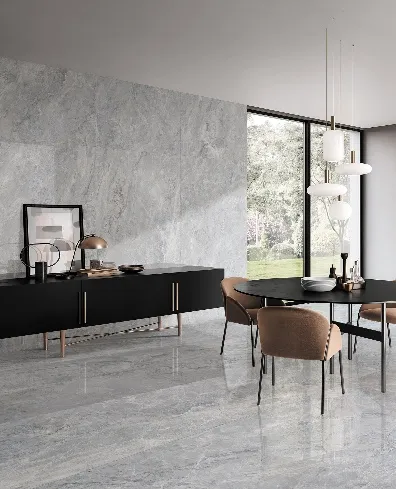
Where large format porcelain slabs work best
Porcelain slab walls suit a wide range of spaces, both residential and commercial:
- Residential living areas. Entrance halls, living room feature walls, and kitchen splashbacks benefit from the seamless look and easy cleaning.
- Bathrooms and wet areas. Low water absorption makes porcelain slabs a reliable choice for shower walls and bathroom surrounds, where moisture resistance is non-negotiable.
- Commercial and hospitality. Hotel lobbies, corridors, restaurants, and office reception areas use slabs to create a premium impression that still stands up to heavy daily traffic.
- Exterior facades. With proper fixing systems, porcelain slabs can be used as ventilated facade cladding, giving buildings a modern, low-maintenance exterior.

Installation best practices for large format wall slabs
A good slab can still fail if it is installed poorly. These practices are the difference between a wall that lasts for decades and one that develops problems within the first year.
- Prepare the surface properly. The wall must be clean, dry, level, and free of dust and loose material. Large slabs cannot hide an uneven substrate, so leveling the wall before tiling is essential.
- Plan the layout before you start. Measure the wall, mark the center, and dry-lay the pattern to avoid awkward cuts at doors, windows, and corners. Decide where the joints will fall so the layout looks intentional.
- Use the right adhesive and trowel. Large format slabs need a polymer-modified adhesive designed for big tiles, applied with a suitable notched trowel to achieve full coverage. Back-buttering each slab helps guarantee a strong bond.
- Use a leveling system. Because slabs are large and rigid, lippage is a real risk. Leveling clips and wedges keep adjacent edges flush and produce a flatter, more professional finish.
- Plan expansion joints. Porcelain expands and contracts with temperature changes. Movement joints at the right intervals prevent stress cracks, particularly on long walls and exterior cladding.
- Grout at the right time. Wait at least 24 hours after setting the slabs before grouting, and use a grout suitable for wide joints. Clean excess grout promptly before it hardens.

Common mistakes to avoid
- Skipping surface preparation. Tiling over an uneven or damp wall is the most common cause of hollow spots and cracked slabs later on.
- Using the wrong adhesive or trowel. Standard tile adhesive and small notched trowels do not provide enough coverage for large slabs, which can lead to tiles lifting or breaking under load.
- Forgetting movement joints. Without expansion joints, temperature-driven movement has nowhere to go, and the wall can crack.
- Grouting too early. Applying grout before the adhesive has cured prevents proper setting and leaves a messy, uneven finish.
- Underestimating handling needs. Large slabs are heavy and fragile at the edges. Plan for two-person handling, suction cups, and proper cutting tools to avoid chipping and breakage.
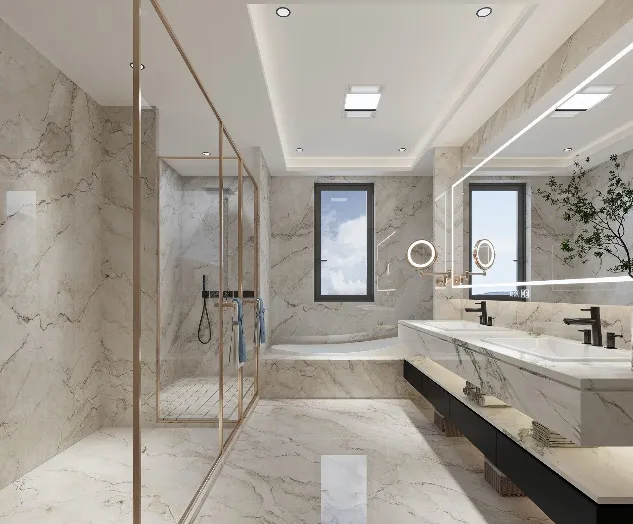
Why COLORIA GROUP for your wall slab project
COLORIA GROUP is a one-stop building material supplier based in Foshan, China, serving residential and commercial projects around the world. Under its WALLS category, the company supplies porcelain slab tile for wall together with a full range of complementary materials, from flooring and ceiling systems to sanitary fixtures, customized furniture, and home appliances. That breadth matters on large projects: instead of coordinating several suppliers, you can source the walls, floors, and finishes from one accountable partner.
COLORIA GROUP also runs an overseas agent in Saudi Arabia and draws on decades of industry experience, which means it understands the requirements of Middle Eastern and international markets, including logistics, documentation, and project timelines. Whether you are an architect specifying a hotel lobby, a contractor building a villa, or a distributor stocking wall materials, the company can tailor walls solutions to your project size and budget.
Final thoughts
Large format porcelain slab tiles are the best choice for walls when you want a durable, low-maintenance surface with a clean, seamless look. The key is to choose the right size, thickness, and finish for the space, plan the layout carefully, and install with proper adhesive, leveling, and movement joints. Get those fundamentals right, and a porcelain slab wall will look as good in ten years as it does on day one.
If you are planning a project and need guidance on the right slab format, finish, or quantity, the COLORIA GROUP team can help you select the right products and supply everything you need in one order. Contact the team through the website to discuss your requirements and get a quote.













