
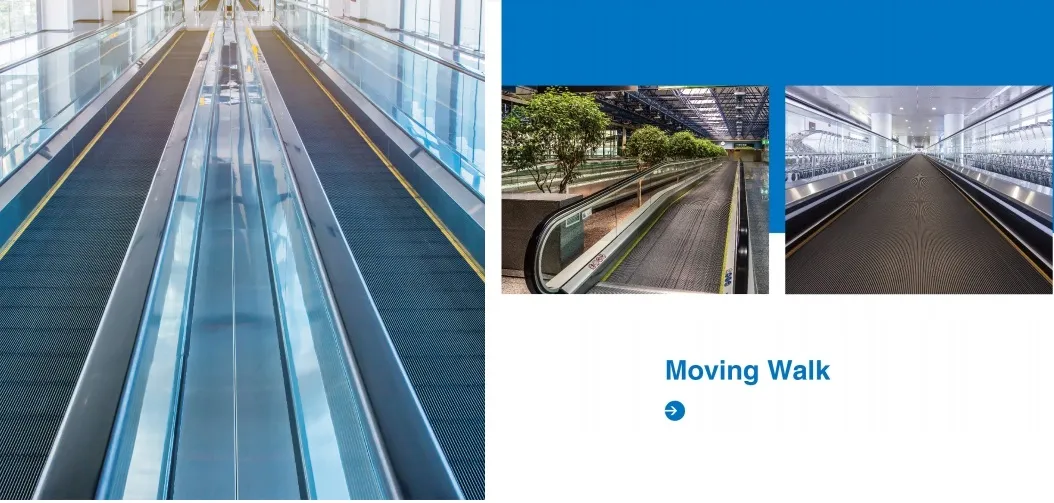
Navigating the Future of People-Moving Technology
Picture this: You're sprinting through a bustling international terminal, heavy suitcase in tow, trying to make your connecting flight. Just when your calves start burning, you step onto a smooth-moving platform that effortlessly carries you toward your gate. That sigh of relief you experience? That's the magic of well-designed moving walkways transforming stressful journeys into seamless transitions.
In 2025, these unassuming transport workhorses have evolved into sophisticated systems that do much more than shuffle people between airport terminals. Modern installations now prioritize accessibility, energy efficiency, and even aesthetic integration with architectural spaces. As urban infrastructure becomes more complex and architectural designs more ambitious, the choice of pedestrian conveyance systems impacts everything from crowd management to building certification.
Remember those clunky metal walkways from the 90s that sounded like washing machines filled with rocks? We've come a long way since then. The latest generation of moving walkways integrates smart technology and sustainable materials that would have seemed like science fiction a decade ago.
Modern units feature predictive sensors that detect approaching passengers and adjust speeds accordingly, saving up to 40% in energy consumption during off-peak hours. The flooring surfaces – developed using advanced composites originally created for high-traffic commercial applications – now offer incredible durability while maintaining comfort for travelers who've been standing for hours.
After evaluating dozens of technical specifications and visiting active installations across three continents, we've identified four standout walkway systems redefining what this technology can achieve:
The gold standard for airport environments, these units feature an ingenious adaptive speed system that anticipates passenger flow. Their seamless integration with vertical transport systems creates true multimodal hubs. The real surprise? Customizable glass balustrades showcasing artistic elements that transform functional spaces into visual experiences.
| Feature | Horizon Series | UrbanStep Pro | EcoGlide M7 | OmniTransit Hub |
|---|---|---|---|---|
| Max Length | 150 meters | 125 meters | 110 meters | 180 meters |
| Speed Adjustment | Smart Adaptive | 3 Preset Options | Continuous | AI Predictive |
| Energy Recovery | Regenerative braking | Partial | Full system | Adaptive charging |
| Maintenance Needs | Remote diagnostics | Bi-weekly checks | Monthly | Predictive AI |
| Surface Material | Composite Alloy | Textured Polymer | Recycled Composite | Ceramic-Embedded |
Choosing the right system goes beyond technical specs. Savvy developers now consider these crucial aspects:
Accessibility Integration: Modern installations must work seamlessly with all assistive devices. The leading Horizon and OmniTransit systems feature revolutionary gap-free transitions that eliminate tripping hazards for wheels of all types.
Aesthetic Flexibility: In luxury settings like Dubai's newest transit hubs, walkways have become design statements. Customizable cladding options allow balustrades to complement building interiors from art deco to futuristic themes.
Emergency Protocols: Top-tier systems incorporate redundant safety systems that can quickly transform into evacuation routes during emergencies, with special surfaces rated for fire resistance and quick drainage capacity.
For most large-scale commercial projects and transportation hubs, the Streamline Horizon Series delivers the perfect balance of cutting-edge technology and operational reliability. Its energy recovery systems can reduce operating costs by up to 30% compared to previous-generation models, making that premium price tag worthwhile for high-traffic installations.
For specialized applications where sustainability is the top priority, the EcoGlide M7's closed-loop materials recycling sets a new industry standard. Architects working on projects pursuing LEED Platinum certification will appreciate its full life-cycle environmental documentation.
Looking toward 2026, several manufacturers are piloting piezoelectric surfaces that actually harvest energy from foot traffic – imagine powering facility lighting simply by passengers walking to their gates! Modular systems are also in development that could be reconfigured seasonally as building layouts evolve.
Ultimately, the success of moving walkways demonstrates how well-designed transportation infrastructure does more than move bodies from point A to point B. When thoughtfully integrated into architectural spaces, these systems reduce environmental impact, enhance accessibility, and create more human-friendly built environments. As cities continue to densify and mobility expectations evolve, choosing the right people-moving technology has never been more critical to creating spaces that work for everyone.
Recommend Products












