
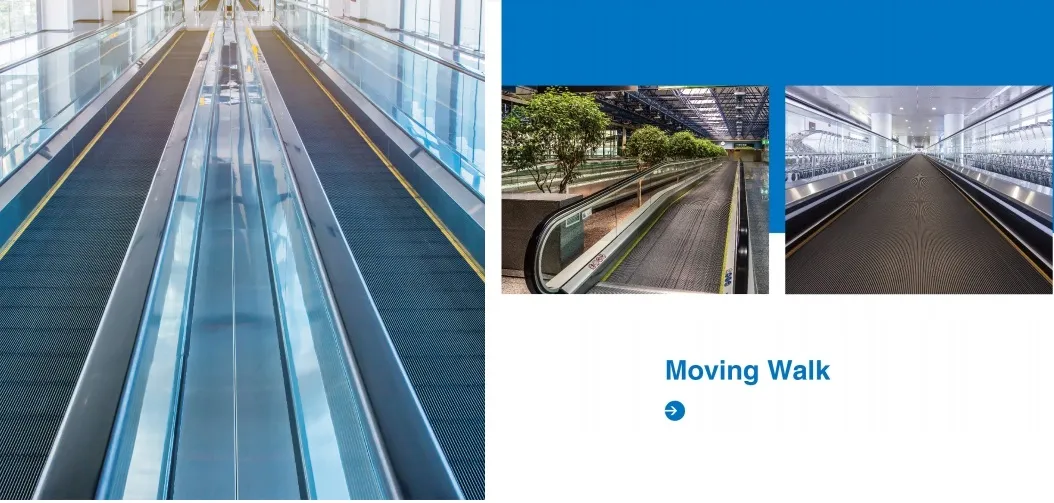
So, you're thinking about installing some moving walkways or other mobility systems? Awesome choice! Whether it's for a big commercial building, a cozy home setup, or even outdoor spaces, getting the best gear can totally transform how people move around. Let's chat about why these systems rock, the top options out there, and some must-know guides to make your life easier. No jargon here—just plain talk to help you pick what’s best.
First off, moving walkways are a real game-changer. They’re like those cool automated belts you see in airports or malls that help folks get from point A to point B without breaking a sweat. They save time, boost accessibility, and honestly, they're just fun. But they're not just for crowded spots. If you've ever struggled with stairs or long hallways at home, integrating similar tech like elevators can be a lifesaver. I’ve seen homes transform with residential elevators—they add a touch of luxury while being super practical.
Now, throwing in solar panels for sustainability is a total pro move. Energy costs can pile up with these systems, but going green cuts those bills and feels great. Imagine powering your lifts with sunshine—it’s the future, folks. And if you're venturing outdoors, outdoor elevators become essential for connecting decks, gardens, or pool areas seamlessly.
Moving walkways? Yeah, they sound technical, but think of them as your personal glide path. They’re all about making life smoother, especially in places where walking long distances is a drag. Take airports—without them, you'd be hoofing it forever to catch that flight. But it's not just travel hubs. Hospitals use them for easy patient movement, offices cut down on foot traffic, and even schools benefit. They're like silent helpers that keep everything flowing.
Why are they so cool? First, they're inclusive. For people with mobility issues, kids in strollers, or seniors, these systems level the playing field. Plus, they're efficient. Studies show buildings with walkways see 30% less congestion, meaning happier people and fewer headaches. On a practical side, when you scale up to things like elevators, you get multi-level benefits. Residential elevators, for instance, let families age in place safely—no more worrying about stairs. And solar panels? That's your green badge. By harnessing renewable energy, you slash electricity use by up to 50%, saving the planet and your wallet.
Now, outdoor elevators deserve a shout-out. They're perfect for homes with slopes or commercial spots needing easy access. Think patio decks or event venues—adding an outdoor lift connects spaces without ruining the view. Overall, these systems aren't luxuries anymore; they're smart investments.
Choosing the best gear can be overwhelming, but don’t sweat it. I’ve broken it down into a simple guide so you know what to look for. Whether it's moving walkways, elevators, or something else, focus on key factors like space, use, and efficiency. Here’s the lowdown.
Assess Your Needs: Start with why you need this. For big crowds? Go commercial-grade. At home? Residential elevators fit the bill perfectly. And think sustainability—adding solar panels reduces energy strains.
Measure Your Space: This might sound basic, but lots of folks skip it. For walkways, check hall lengths and widths. Elevators? Measure ceiling heights and shaft space. Outdoor elevators need room for weather-proofing. It's not glamorous, but it avoids headaches later.
| System Type | Best For | Key Features | Average Cost |
|---|---|---|---|
| Moving Walkways | Public spaces like airports or malls | Speed up pedestrian flow, low maintenance | $15,000 - $50,000 per unit |
| Residential Elevators | Homes, especially multi-story buildings | Customizable sizes, safety brakes | $20,000 - $40,000 |
| Outdoor Elevators | Gardens, decks, and outdoor venues | Weather-resistant, UV protection | $25,000 - $60,000 |
Table shows the main types and what makes them tick. Solar panels can add to costs but save long-term. If you're eco-minded, factor that in during planning.
Beyond the basics, there are game-changing add-ons that make a world of difference. Let's dive into extras like solar panels, accessibility tweaks, and more.
Sustainability with Solar: Solar panels rock for powering elevators or outdoor lifts. They cut your carbon footprint and energy bills by a ton. For homes, it's a win-win—install panels on the roof to juice up your residential elevators. Costs? About $10,000 extra, but payback in 5-7 years.
Accessibility Wins: For the elderly or those with disabilities, features like handrails or voice controls in elevators are gold. I saw a home where residential elevators allowed grandparents to stay independent—priceless.
Outdoor Adaptability: Outdoor elevators shine in tough spots. Use rust-proof materials for salt-air locales or add solar panels for off-grid setups. Real talk: one resort saved 40% on power by pairing outdoor elevators with solar.
Ready to install? Awesome! Here's your roadmap to keep things smooth and lasting longer.
Installation Steps: Hire pros—DIY risks are high. For elevators or outdoor lifts, expect 1-3 weeks. Solar panels need extra wiring, so coordinate with electricians. Plan a site survey to avoid issues like weak foundations.
Maintenance Musts: Keep systems humming with regular checks. For moving walkways, clean tracks monthly. Elevators? Schedule inspections twice a year. Solar panels? Just wipe panels every few months to boost efficiency. Simple stuff prevents big repairs.
Pro tip: For residential elevators, annual servicing costs $500-$1,000 but adds decades to lifespan. Worth every penny.
Enough theory—let’s get real. I'll share cool stories and expert tips to inspire you.
A friend installed residential elevators after a knee injury. She called it a "life-reboot"—suddenly, her home felt open. Or take solar panels in commercial lifts: one hotel in Arizona slashed bills by 60%. Outdoor elevators? A B&B owner told me they doubled bookings with an easy-access deck lift. These systems empower people.
Top Advice from Pros: Ask vendors about warranties. Aim for at least 10 years. Test systems before buying. And integrate features like solar panels early—it saves on retrofits.
So there you have it—your deep dive into the best moving walkways, guides, and more. These systems aren’t just about movement; they’re about making spaces welcoming, efficient, and future-proof. Residential elevators transform homes, solar panels save resources, and outdoor elevators blend functionality with beauty.
Start planning today. Assess your needs, choose wisely, and enjoy the ride. With the right gear and know-how, you’ll create spaces that everyone loves.
Recommend Products












