

The exterior wall of a building is more than just a structural barrier—it's the first impression, a silent storyteller of style, and a guardian against the elements. Whether you're designing a cozy residential home or a sprawling commercial complex, the choice of cladding material can make or break the project's success. Architects, builders, and homeowners alike often grapple with a familiar dilemma: how to balance aesthetics, durability, and practicality without compromising on vision. Enter MCM flexible cladding stone wall panel solutions —a game-changer in the world of architectural façade design. In this article, we'll explore why MCM cladding has become the go-to choice for modern exterior walls, its unique benefits, real-world applications, and how partnering with a one-stop architectural solution provider can elevate your next project.
Before diving into the "why," let's clarify the "what." MCM stands for Metal Composite Material, a cutting-edge cladding solution that combines the best of strength, flexibility, and aesthetics. At its core, MCM flexible cladding consists of two thin metal sheets (typically aluminum) bonded to a lightweight core material, with a decorative stone veneer layer that mimics the look and texture of natural stone. This innovative structure gives MCM panels their defining traits: extreme flexibility, low weight, and exceptional durability.
Unlike traditional cladding materials—such as heavy natural stone, rigid vinyl, or brittle fiber cement—MCM panels are designed to bend and conform to almost any surface. Imagine a curved exterior wall that flows like a wave, or a geometric façade with sharp angles and intricate patterns; MCM's flexibility makes these designs not just possible, but practical. And while they mimic the luxurious look of natural stone (think granite, travertine, or marble), they weigh up to 70% less, reducing strain on the building's structure and simplifying installation.
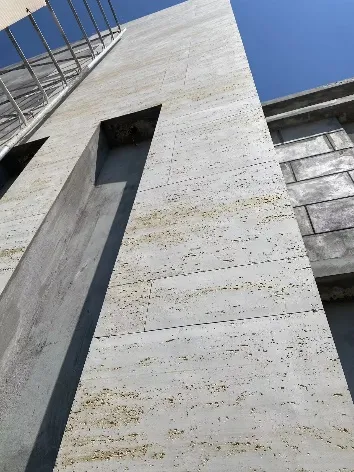
So, why are architects and builders across the globe switching to MCM flexible cladding? Let's break down its most compelling advantages:
Exterior walls face relentless punishment from the elements: scorching sun, freezing rain, high winds, and even hailstorms. MCM panels are engineered to stand up to it all. The aluminum core resists corrosion, while the stone veneer layer is treated to withstand UV radiation, preventing fading over time. In fact, most MCM cladding solutions come with a 15–20 year warranty, a testament to their longevity. Unlike natural stone, which can crack or chip under impact, MCM's composite structure absorbs shocks, making it ideal for high-traffic commercial areas or homes in storm-prone regions.
One of the biggest frustrations in exterior design is having to compromise on vision due to material limitations. A homeowner might dream of a rustic stone façade but worry about the weight; a commercial architect might envision a curved lobby wall but struggle to find a cladding that bends without breaking. MCM eliminates these barriers. Its flexibility allows it to be shaped into curves, angles, and even 3D patterns, giving designers the freedom to experiment. Whether you're aiming for a modern, minimalist look with sleek, flat panels or a traditional aesthetic with textured, stone-like finishes, MCM can be customized to match any style.
Weight matters—especially in construction. Traditional natural stone cladding can weigh 20–30 pounds per square foot, requiring reinforced structural support and specialized installation teams. MCM panels, by contrast, weigh just 3–5 pounds per square foot. This drastic reduction in weight translates to lower structural costs (no need for extra steel beams or reinforced foundations), faster installation (lighter panels are easier to handle and mount), and reduced labor expenses. For large-scale projects like shopping malls or office towers, this can cut construction time by weeks, getting the building weather-tight sooner and accelerating the path to occupancy.
While "stone wall panel" is in the name, MCM flexible cladding offers far more than just stone mimicry. Suppliers now offer a vast array of finishes, from the rich veining of marble to the warm grain of wood, the industrial edge of concrete, or even custom colors to match brand palettes. For example, a commercial building materials supplier might work with a hotel chain to create MCM panels in the brand's signature blue, ensuring the façade reinforces brand identity. For residential projects, homeowners can choose from earthy tones and natural textures to blend with the surrounding landscape, or bold hues to make a statement. The possibilities are nearly endless.
Sustainability is no longer a "nice-to-have" in construction—it's a priority. MCM flexible cladding checks multiple green boxes. First, its lightweight nature reduces transportation emissions (fewer trucks needed to haul materials). Second, the aluminum core is 100% recyclable, and many manufacturers use recycled materials in production. Third, MCM panels often have insulating properties that improve a building's energy efficiency, reducing heating and cooling costs over time. For projects aiming for LEED certification or other green building standards, MCM can contribute valuable points toward sustainability goals.
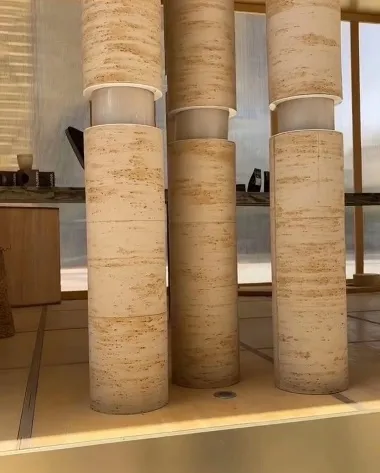
Still wondering how MCM stacks up against other popular cladding options? Let's break it down with a comparison table:
| Feature | MCM Flexible Cladding | Natural Stone | Vinyl Siding | Fiber Cement |
|---|---|---|---|---|
| Weight (per sq ft) | 3–5 lbs | 20–30 lbs | 1–2 lbs | 8–10 lbs |
| Flexibility | High (bends to curves/angles) | Low (rigid, cracks under stress) | Medium (limited bending) | Low (brittle, prone to chipping) |
| Durability (weather resistance) | Excellent (UV, rain, impact resistant) | Good (but porous; needs sealing) | Fair (fades, cracks in extreme heat/cold) | Good (but heavy; prone to moisture damage) |
| Installation Time | Fast (lightweight, easy to mount) | Slow (requires structural support, skilled labor) | Fast (but limited design options) | Medium (heavy, requires precise cutting) |
| Sustainability | High (recyclable, energy efficient) | Medium (natural, but high transportation emissions) | Low (non-recyclable, petroleum-based) | Medium (contains cement; energy-intensive production) |
| Cost (material + installation) | Moderate (higher than vinyl, lower than natural stone) | High (expensive material + labor) | Low (but short lifespan) | Moderate (similar to MCM, but heavier installation costs) |
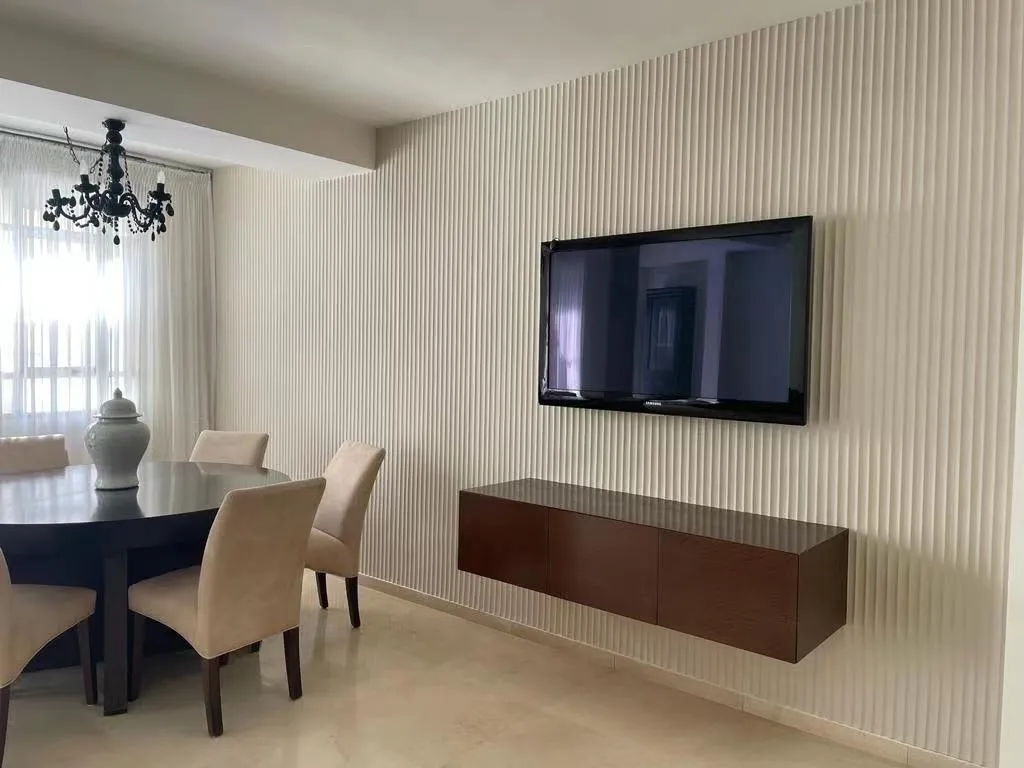
MCM's versatility makes it suitable for almost any exterior project, from residential homes to commercial landmarks. Let's explore how it performs in different settings:
For homeowners, exterior walls are all about curb appeal and low maintenance. MCM flexible cladding delivers on both. Imagine a modern suburban home with a façade that combines smooth, white MCM panels (mimicking marble) with warm wood-grain MCM accents—striking, yet timeless. Or a coastal property where salt air and high winds would damage traditional wood siding; MCM's corrosion resistance ensures the exterior stays pristine for decades. As a residential building materials supplier will confirm, MCM also reduces long-term upkeep: no repainting every 5 years, no sealing stone to prevent water damage, just an occasional hose-down to keep it looking fresh.
Commercial buildings—hotels, offices, retail centers—need exteriors that reflect brand personality and stand out in crowded cityscapes. MCM's flexibility and customization options make it perfect for this. For example, a boutique hotel might use curved MCM panels in a soft beige tone to create a welcoming, organic feel, while a tech company headquarters could opt for sharp, angular black MCM panels with metallic accents to project innovation. Large-scale installations are also a breeze: MCM panels can be fabricated in standard sizes or cut to order, ensuring seamless coverage even on expansive walls. Plus, as part of a one-stop architectural solution , MCM can be paired with other materials like porcelain slab tile for wall or wpc wall panel for a cohesive design inside and out.
For architects, MCM is a playground for creativity. Architectural façade solutions often demand materials that can turn bold concepts into reality, and MCM delivers. Think of a museum with a façade that undulates like a sand dune, or a sports arena with a pixelated pattern made from colored MCM panels. Because MCM can be bent, folded, and shaped, even the most ambitious designs become feasible. And since it's lightweight, there's no need to over-engineer the building's structure to support these artistic flourishes.

Choosing MCM flexible cladding is just the first step. To truly maximize its benefits, partnering with a one-stop supplier is key. Here's why:
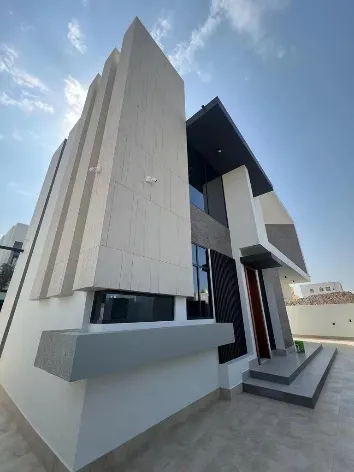
In a world where buildings are expected to be both beautiful and resilient, MCM flexible cladding stone wall panel solutions stand out as a smart, forward-thinking choice. They offer the durability to withstand the elements, the flexibility to bring designs to life, and the sustainability to align with modern values. Whether you're building a family home or a commercial landmark, MCM transforms exterior walls from functional necessities into works of art.
And when you partner with a one-stop architectural solution provider that specializes in MCM—one that understands the nuances of residential and commercial projects, and can tailor solutions to your needs—you're not just buying cladding; you're investing in a seamless, successful project from start to finish. So, the next time you're planning an exterior wall, ask yourself: Why settle for ordinary when MCM can make it extraordinary?
Recommend Products











