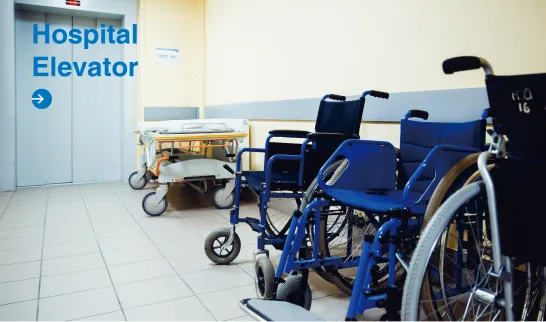
Picture this: It's 3 AM in a bustling hospital. A critical patient needs immediate transfer from the ER to the ICU on the 8th floor. Every second counts. And here's the unsung hero making it all happen - the hospital elevator. Forget those boxy contraptions you ride in office buildings. Medical elevators? They're the lifeblood of healthcare facilities.
Choosing the right elevator for your hospital isn't just about moving people and beds. It's about creating a vital circulatory system for lifesaving equipment, medications, and patients. Screw up this decision, and you'll have bottlenecks that could cost lives and burn out your staff. Get it right, and your entire facility hums like a well-tuned instrument.
After digging deep into what makes hospital elevators tick in 2025 and consulting with top engineers, I've boiled down the essentials. We'll cut through the marketing hype and get real about what actually works in high-stakes medical environments.
Why Hospital Elevators Play by Different Rules
That creaky elevator in your apartment building? It's got nothing on medical elevators. These specialized carriers face pressures that would make ordinary lifts crumble:
-
Life-or-death timelines:
Code blue transfers don't care about elevator schedules
-
Massive equipment:
MRI machines can weigh over 7 tons (that's like carrying three SUVs!)
-
Sterile environments:
Infections won't spread themselves - wait, actually they do
-
24/7 abuse:
Hospital elevators log 5x more trips than commercial units
-
Specialized configurations:
Bed clearance? Isolation chambers? Yeah, these ain't your office lifts
In 2025, hospitals finally get it - medical elevators aren't luxury items. They're critical infrastructure as vital as oxygen lines or surgical theaters.
The Contenders: Medical Elevator Types Decoded
1. Freight Elevators: The Heavy Haulers
Think of these as the linebacker elevators - built for brute strength but not much grace. Perfect for carting around MRI machines or bulk supplies.
Freight Elevator Rundown
-
Good for:
Equipment transport, deliveries, non-emergency bulk moves
-
Capacity:
Typically 5,000-10,000 lbs (some even handle 15k!)
-
Speed:
Slow and steady wins the weight race (150-200 fpm)
-
2025 Upgrades:
Anti-vibration tech keeps delicate equipment safe, antimicrobial coatings that actually work
2. Medical Transport Elevators: The Code Blue Champs
These are what you see in medical dramas - the sleek elevators rushing gurneys between floors with doctors doing compressions mid-ride.
Must-Have Medical Lift Features
-
Extra-wide doors (at least 48" for ICU beds)
-
Smooth acceleration (no jolts for delicate patients)
-
Handsanitizer stations WITHIN the cab
Why They Shine in Hospitals
-
Special bed guides ensure no tricky maneuvering
-
UV-C sterilization cycles between transports
-
Code override systems for critical transports
3. Double-Decker Elevators: The Space Wizards
Picture stacking two elevators in one shaft. Yeah, it's as cool as it sounds. For busy hospitals dealing with staff and visitors, these double-deck marvels cut wait times dramatically.
Double-Deck Advantages
-
Moves twice as many people without doubling shaft space
-
Streamlines vertical flow during shift changes
-
Separate access levels minimize staff/patient crossover
Hospital Elevator Shopping List: 2025 Edition
Choosing a medical elevator isn't like picking kitchen appliances. Here's what matters most in modern healthcare settings:
The Non-Negotiables
-
Safety Tech:
Triple redundant brakes, seismic stabilization, battery backups that actually work
-
Capacity Reality:
Bigger than you think - factor in equipment, staff, and that oversized crash cart
-
Infection Control:
Antimicrobial surfaces, seamless walls to prevent microbe hideouts
-
Accessibility:
ADA-compliant controls placed where everyone can reach them
-
Smart Diagnostics:
Predictive maintenance beats breakdowns during patient transport
Pro Tip:
During elevator planning sessions, include frontline staff. Nurses will spot clearance issues engineers miss every time!
Top Hospital Elevator Players for 2025
After evaluating dozens of manufacturers, these five companies stand out for hospital-grade solutions:
Otis: The Healthcare Veteran
With installations in prestigious medical centers like the Mayo Clinic, Otis gets hospitals. Their Gen3 Smart elevators practically run themselves and integrate seamlessly with medical equipment.
Medical Features
-
Hospital Mode programming for emergency overrides
-
Real-time diagnostics streamed to facilities teams
2025 Enhancements
-
Self-disinfecting copper-nickel alloy surfaces
-
Advanced AI traffic optimization
Schindler: Innovation Leaders
Schindler's PORT tech changes how staff move through hospitals. Their destination dispatch smart system cuts average wait times by 35% – huge in busy medical centers.
Medical Features
-
Dedicated code blue transport mode
-
Ultra-smooth acceleration for patient comfort
2025 Enhancements
-
Staff ID integration for priority access
-
Real-time sterilization status displays
KONE: Efficiency Masters
KONE's ultra-compact machine rooms save valuable floor space – crucial when every square foot costs a fortune in medical construction. Their carbon-fiber ropes enable faster speeds with smoother rides.
Medical Features
-
Hospital-grade ventilation systems
-
Voice-activated controls for sterile environments
2025 Enhancements
-
Modular components for easier upgrades
-
Self-powered emergency descent system
Real Talk:
The "bargain" elevator that keeps breaking down costs hospitals way more than premium models. Medical transport delays ripple through entire systems.
Future-Proofing Your Hospital's Vertical Transport
The elevators going into hospitals today will outlast most smartphones by decades. Plan ahead for what you might need in 2040.
5 Elevator Tech Trends Impacting Hospitals
-
Twindoor Systems:
Combining passenger + freight access without separate shafts
-
Touchless Control:
Going beyond buttons to gesture and voice commands
-
Predictive Maintenance:
AI spotting issues weeks before they cause downtime
-
Dynamic Capacity:
Adjusting for gurneys, carts, or visitor crowds automatically
-
Emergency Mode Integration:
Direct links to hospital alert systems
Finding Your Hospital's Perfect Fit
The "best" hospital elevator doesn't exist – the right elevator does. Consider these final points:
-
Staff Workflows:
Map actual traffic patterns before choosing types/count
-
Growth Projections:
Build for future floors and capacity needs
-
Service Contracts:
Look for medical facility experience in SLAs
-
Disaster Planning:
Backup systems need their own backups in hospitals
Remember that famous hospital administrator quote? "Bad elevators don't just cost money - they cost lives." Invest wisely in your vertical infrastructure.