
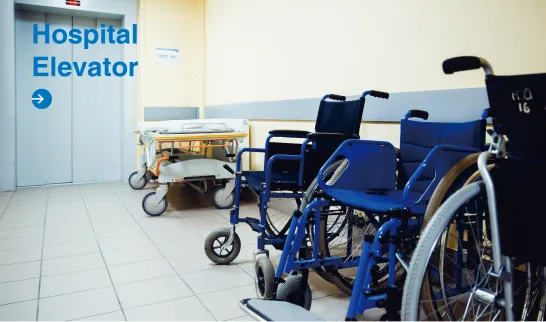
Imagine walking into a bustling hospital - the beeping monitors, hurried footsteps, and that distinct sterile scent filling the air. Now picture a stretcher urgently needing to get to the OR on the 8th floor, an elderly patient nervously heading to oncology, and a newborn heading to the NICU. All sharing one critical common need: a reliable hospital elevator .
This isn't just about moving people between floors. Hospital elevators are silent heroes of healthcare infrastructure. When lives hang in the balance, you don't want technicians struggling with malfunctioning doors or jerky movements causing discomfort to critical patients. That's exactly why specialized hospital elevators exist – designed specifically for medical environments where every second counts and every millimeter matters.
China's evolved as the global powerhouse for manufacturing these life-critical vertical transport solutions. With decades of engineering refinement and massive production capabilities, Chinese manufacturers deliver innovations that balance precision engineering, patient safety, and operational efficiency at scales unmatched globally.
Hospital elevators work harder than any other elevator type. They're not just transporting people - they're handling oversized medical beds, sensitive equipment, trauma cases, and infectious containment scenarios. This creates unique challenges that demand tailored solutions:
Imagine fitting a full-sized hospital bed complete with IV poles and monitoring equipment. Hospital elevator cabs are designed with deeper floor spaces (typically 2000-3000mm depth versus 1400mm standard), wider doors (at least 1300mm), and lower thresholds for smooth stretcher transfers.
For patients recovering from surgery or dealing with fractures, abrupt stops or starts can cause real pain. Hospital elevators feature advanced acceleration control systems that feel almost imperceptible - smoother than luxury hotel elevators.
During a Code Blue, seconds matter. These systems feature priority override modes where critical transport can bypass all other calls directly to the destination floor without intermediate stops.
Stainless steel interiors aren't just for looks - they're antimicrobial. Combined with hands-free operation and UV sterilization options, these cabs become easier to disinfect than any other building area.
Beyond the basics, Chinese manufacturers have pioneered innovative features specifically for medical contexts:
Three-Way Access: Imagine a central elevator bank with doors opening to both hallways and directly into procedure rooms - critical for OR transfers. This complex door configuration requires precision engineering most manufacturers avoid.
Infection Control Mode: Post-pandemic, elevators like Fuji's medical series can be placed in sterilization cycles using built-in UV-C lamps while displaying "Cleaning in Progress" indicators externally.
Load-Sensing Compensation: Hospital carts have varying weights - an empty bed vs one with 500kg of imaging equipment. Smart systems automatically adjust torque to maintain smooth acceleration regardless of load changes mid-journey.
Dual Power Systems: Hospitals can't afford downtime. Top suppliers now integrate battery backups capable of completing ongoing trips during power failures plus automatic recall to triage floors.
After evaluating dozens of suppliers through technical capabilities, hospital project histories, and real-world reliability data, these stand out:
Their CE-certified MED-Series elevators feature hospital-grade stainless steel interiors with seamless welding (no dirt-trapping crevices) and are the industry's quietest at ≤45dB. Optional bed vibration dampeners provide near-zero G-force transit for fragile patients.
Pioneers of the "Human-First Transport" concept. Their focus goes beyond mechanics to patient experience - incorporating mood lighting, calming nature imagery displays, and air purification systems that reduce anxiety during transit.
Offers ultra-heavy-duty platforms supporting up to 5000kg for specialized equipment transport. Unique among suppliers, they provide 3D BIM models during planning to coordinate perfectly with structural designs.
Their AI-powered predictive maintenance platform uses thousands of sensor data points to schedule service before failures occur - critical for minimizing hospital disruptions.
The journey of hospital elevator innovation reflects healthcare's changing needs:
1990s-2000s: Focused primarily on size - creating larger cabs capable of handling newer, bulkier medical equipment. Safety standards centered around basic mechanical redundancies.
2010-2015: The rise of "Code Blue Priority" systems. Hospitals demanded intelligent dispatch software that could instantly override normal operation during emergencies.
2016-Present: Multi-dimensional innovation era. From antibacterial copper-nickel alloy touch surfaces to earthquake stabilization systems that keep elevators operational during tremors, and solar-assisted drives that reduce hospital power consumption.
Chinese manufacturers haven't just kept pace - they've led this evolution through massive R&D investments. Guangdong province alone hosts over a dozen dedicated elevator research centers collaborating with hospitals globally to develop next-gen solutions.
Hospital administrators constantly balance budgets against patient outcomes. With elevators typically costing ¥400,000-¥1,200,000 ($55,000-$170,000) per unit installed, decision factors extend beyond initial price tags:
Failure Costs: Average downtime incidents cost hospitals ¥85,000 ($12,000) hourly when considering diverted ambulances, rescheduled procedures, and staffing inefficiencies. Premium systems like Fuji's medical series average just 0.7 unexpected stops annually.
Sanitation Efficiency: Smooth non-porous surfaces in brands like SYNEY reduce cleaning time by 34% according to Hong Kong QMH studies - saving thousands annually in labor costs.
Accessibility ROI: Wide-cab models compliant with international disability standards avoid costly retrofits when regulations change - protecting your investment over 15-20 year lifespans.
The winning formula? Tier 2 suppliers like Vertra offer 85-90% of premium features at 60-70% of the cost - ideal for community hospitals and regional clinics.
With hospitals consuming 2.5x more energy per square meter than commercial buildings, eco-innovation matters:
Regenerative Drives: Convert braking energy into reusable electricity - saving up to 40% power consumption versus conventional systems. Delfar's models even channel this back to hospital grids.
ECO Mode Intelligence: Smart systems learn traffic patterns, reducing idle lighting and fan usage during low-demand periods. SYNEY's AI adapts instantly to unexpected surges.
Material Choices: Leading manufacturers now use recycled stainless steel and non-VOC cabin materials certified for healthy indoor air quality.
This green revolution isn't just about environmental feel-good - it reduces hospital operating costs substantially. One Shanghai hospital saved ¥230,000 ($32,000) annually after replacing eight conventional elevators with regenerative models.
Choosing the right hospital elevator manufacturer ultimately comes down to understanding your facility's unique rhythm - whether that's a metropolitan trauma center needing military-grade reliability or a community maternity ward where infection control reigns supreme.
What remains universal is this: in healthcare environments where every journey matters, cutting corners on vertical transport costs lives. That's why serious hospitals partner with proven specialists instead of generic elevator suppliers. Because when that emergency call comes, the smooth efficiency of your elevators becomes as vital as any surgeon's skill.
China's leading manufacturers have transformed elevator technology from a mere utility into a seamless extension of patient care - proving innovation focused on human wellbeing always ascends to new heights.
Recommend Products












