
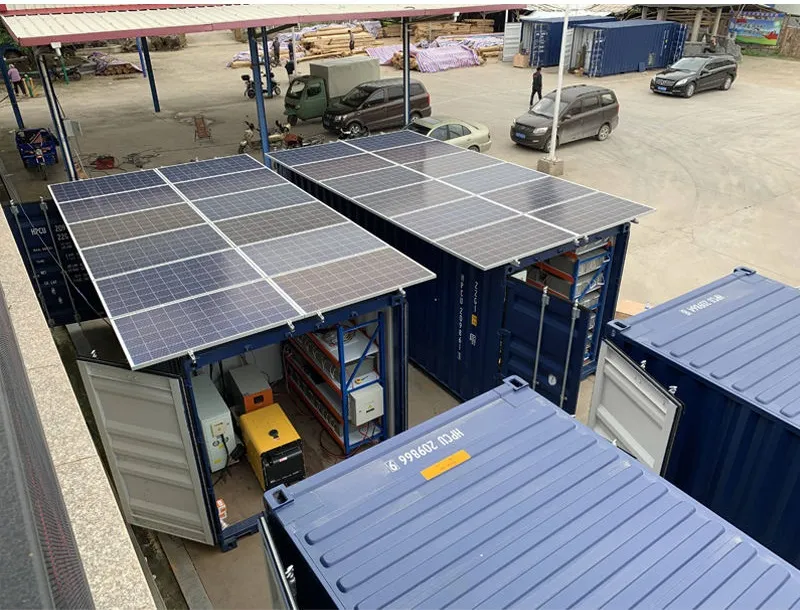
Harness the sun's power without worrying about heat damage or efficiency drops
When you're living in the blazing heat of Arizona or the humid tropics of Southeast Asia, regular solar panels just won't cut it. You see, most solar panels start sweating bullets when temperatures climb above 25°C (77°F) – they lose efficiency faster than an ice cube melting in the desert. That's where high-temperature resistant panels come in. These specially designed panels can laugh in the face of scorching 50°C (122°F) heat while still churning out impressive amounts of electricity.
In this guide, we'll cut through the technical jargon and tell you straight-up which panels truly perform when the heat is on. We've analyzed real-world performance in places like Dubai's desert solar farms and Australian outback installations to bring you the most reliable options.
Ever notice how your phone slows down when it overheats? Solar panels face a similar problem but worse. Here's what happens step-by-step:
1. The Physics Behind the drop: Solar panels work by absorbing light, not heat. In fact, heat is their enemy. The semiconductor materials inside (usually silicon) become overly excited when temperatures rise, which actually reduces the voltage they can produce. It's like having runners trying to sprint in a sauna – they just can't perform at their peak.
2. Accelerated Aging: Daily expansion and contraction from temperature swings physically stress the panel materials. Seals crack, backsheets discolor, and connections weaken. Over 5-10 years in hot climates, standard panels might lose as much as 40% output.
3. The Humidity Factor: In coastal areas or humid regions, moisture sneaks into microscopic cracks caused by thermal cycling. This leads to PID (Potential Induced Degradation) where electricity literally leaks out of the system.
The graph below shows typical efficiency loss in various climates:
| Climate Type | Average Summer Temp | Standard Panel Efficiency Loss | Thermal-Resistant Panel Loss |
|---|---|---|---|
| Desert (Arizona/Dubai) | 42-48°C (107-118°F) | 22-28% | 10-14% |
| Tropical Coastal | 32-38°C (90-100°F) | 18-22% | 8-12% |
| Arid Continental | 35-40°C (95-104°F) | 19-24% | 9-13% |
*Data compiled from NREL performance reports of commercial installations
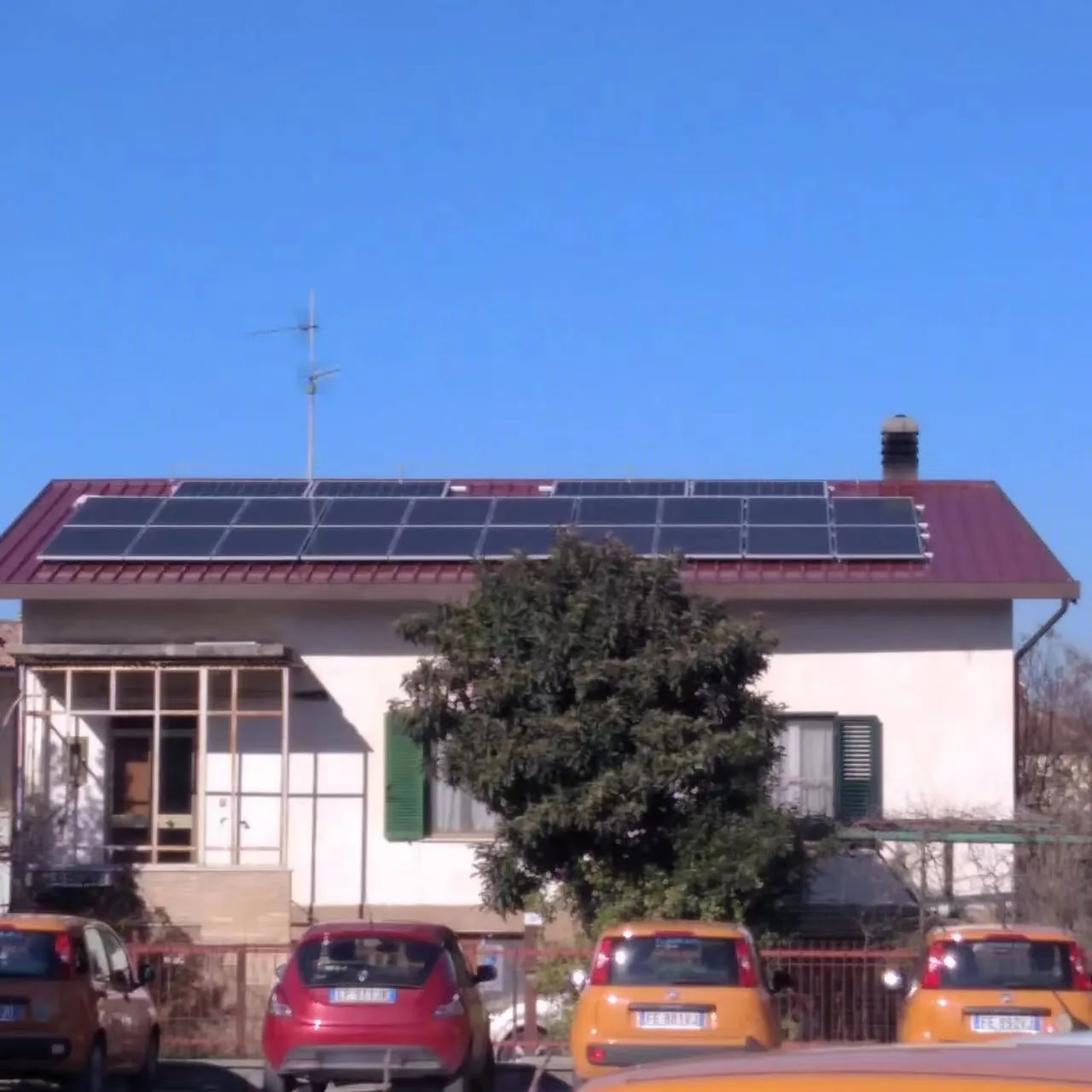
What makes certain panels handle heat like champions? They're not relying on magic – just clever engineering solutions:
1. Backside Cooling Tech: The hottest new panels use special rear conductive layers that literally pull heat away from the cells like a heat sink. Some even have micro-fins that create air circulation underneath.
2. Anti-PID Nano-Coatings: Advanced hydrophobic coatings prevent moisture intrusion and stop those pesky energy leaks. It's like giving your panels an invisible force field against humidity.
3. Monocrystalline vs. Polycrystalline: Monocrystalline panels made from single silicon crystals handle heat significantly better than their polycrystalline cousins. Their uniform structure allows electrons to flow more freely even when things get toasty.
Even mounting makes a difference. Panels installed with a 6-inch air gap between roof and panel perform 7-9% better than flush-mounted installations in thermal stress tests conducted in Phoenix solar farms.
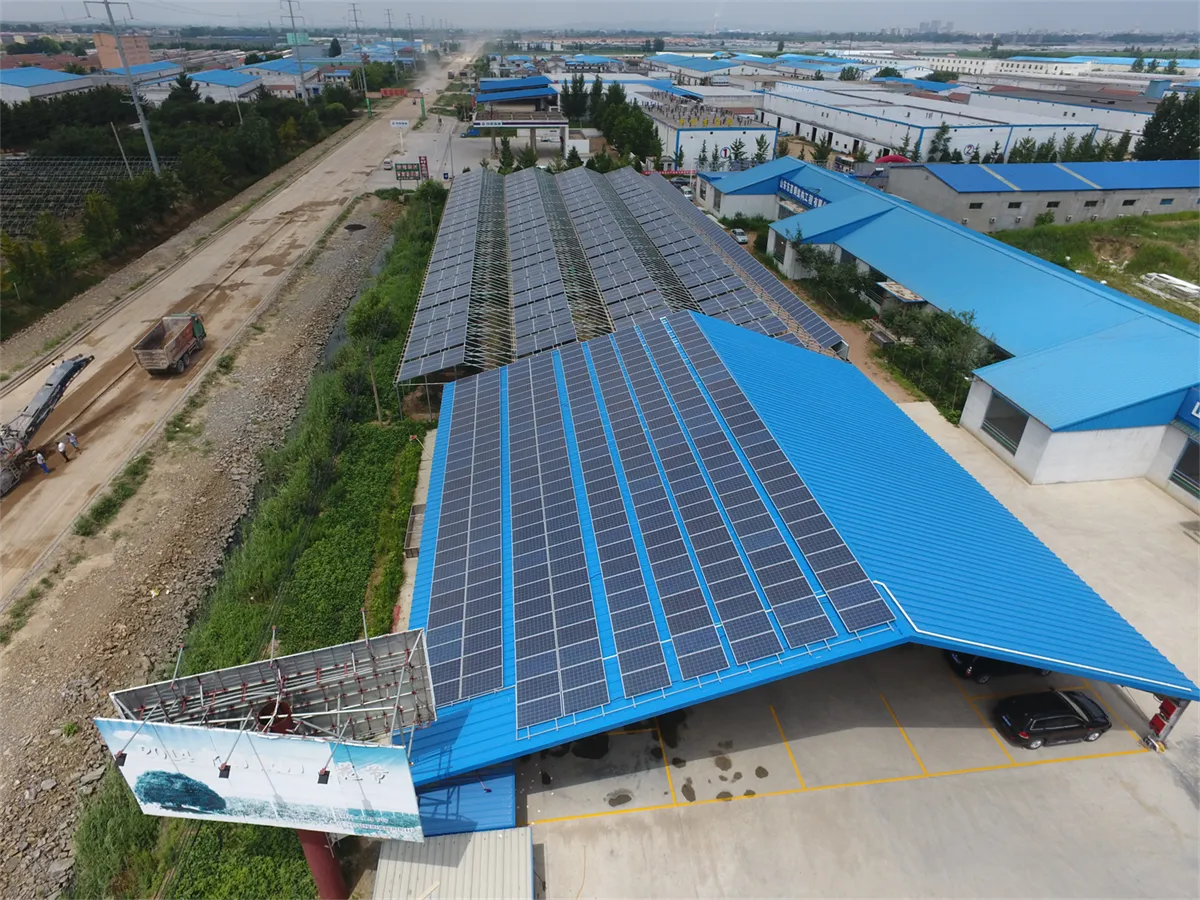
After monitoring long-term performance in installations from Saudi Arabia to Mexico, three technologies stand out:
| Technology Type | Heat Performance | Best For | Estimated Lifespan |
|---|---|---|---|
| Monocrystalline PERC | 12-15% loss at 48°C | Residential rooftops | 30+ years |
| Thin Film CdTe | 10-12% loss at 48°C | Large desert installations | 25 years |
| Bifacial Monocrystalline | 8-11% loss at 48°C | Ground-mount with reflective surfaces | 30-35 years |
For typical homeowners in hot climates, we recommend Monocrystalline PERC panels with at least 21% efficiency ratings. Though slightly pricier upfront, their superior heat tolerance means they'll produce significantly more electricity during those critical peak summer months.
Installation Tip: How you mount panels matters just as much as which panels you choose. Here's how to maximize heat dissipation:
Heat isn't the only enemy – sandstorms, UV damage, and salt corrosion can destroy panels in hot regions. Fortunately, innovations like:
1. Anti-Abrasion Coatings: Glass surfaces treated with diamond-like nano-coatings withstand sand erosion 3× better than standard panels.
2. Salt Mist Resistance: Coastal installations require specialized frames and junction boxes that resist pitting and corrosion.
3. UV-Resistant Encapsulants: Advanced EVA polymers prevent yellowing and delamination even after decades of intense sunlight exposure.
The warranty details tell the real story. Premium manufacturers now offer:
For architectural integration in hot climates, consider innovative solutions like solar tiles integrated with high-grade insulation materials. These offer dual benefits – generating electricity while reducing thermal transfer into buildings.
Before purchasing panels for extreme heat environments, verify these specifications:
Properly maintained, these panels will keep performing through the hottest summers while paying for themselves faster due to consistent energy generation during peak rate hours when conventional panels falter.
Switching to thermal-resistant panels isn't just practical – it transforms your relationship with harsh sun. Instead of suffering from solar radiation, you harness its full potential even on days when others are hiding from the heat.
Recommend Products












