


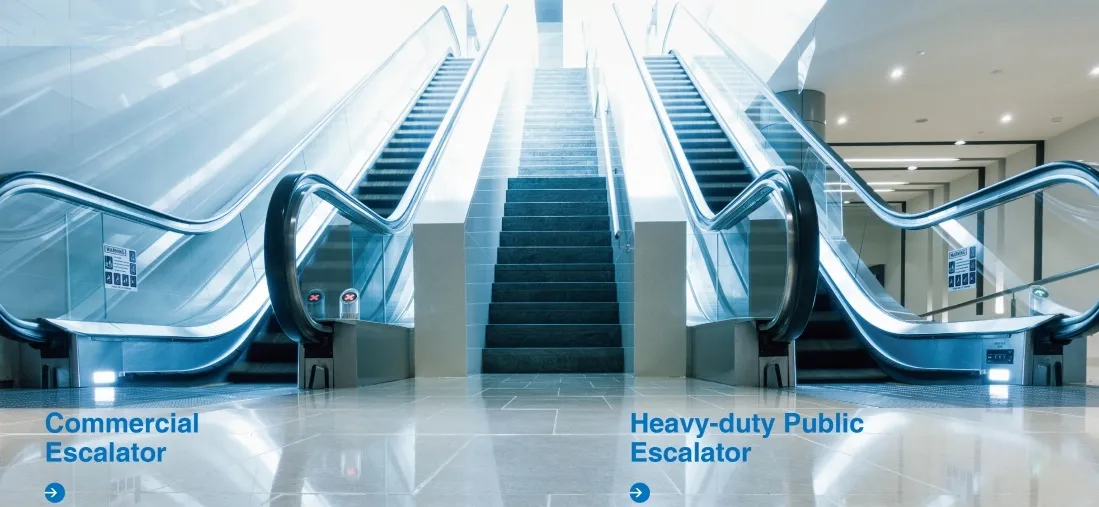
You're planning a shopping mall renovation or designing a new transit hub. People flow isn't just about aesthetics – it's about creating frictionless movement while ensuring safety. As we approach 2025, new tech is transforming how we move through spaces. Let's break down what really matters when investing in commercial escalators.
The Game-Changing Trends for 2025
Remember those clunky, noisy escalators from a decade ago? They're going extinct. Today's models sync with smart building ecosystems . Imagine escalators that:
- Auto-adjust speed during peak hours
- Predict maintenance needs before breakdowns
- Cut energy use by 40% with regenerative drives
The leaders in this space aren't just moving people – they're gathering data. Heat mapping shows traffic patterns, and AI optimizes flow in real-time. For large-scale projects, choosing the right elevator suppliers who understand these integrations is critical. There's no more "one-size-fits-all" – it's about tailored mobility solutions.
Head-to-Head: Top Contenders Reviewed
| Brand | Key Innovation | Ideal For | Energy Rating | Safety Features |
|---|---|---|---|---|
| MobilityMax Pro | Self-diagnosing sensors | Airports & hospitals | A++ | Emergency braking system |
| FlowTech Nexus | Modular design | Retail spaces | A+ | Child-proof gap sealing |
| UrbanGlide S5 | Solar-compatible | Outdoor complexes | A+++ | Rain-sensing traction |
| Pinnacle Transport | Ultra-quiet operation | Luxury hotels | A+ | Anti-skid grooves |
Why These Stand Out
MobilityMax Pro
During testing at Dubai Airport, their predictive maintenance tech caught a chain issue 72 hours before failure. The self-lubricating system means less downtime – crucial for 24/7 operations.
FlowTech Nexus
We've seen retailers love the customizable paneling. Swap out finishes seasonally to match promotions – no heavy dismantling. Their modular approach shaves 30% off installation time too.
UrbanGlide S5
Singapore's Marina Bay installation proved these withstand monsoons. The secret? Micro-drainage channels in steps and corrosion-proof materials guaranteed for coastal environments.
Beyond the Machinery: Total Ecosystem Integration
Commercial escalators aren't standalone units anymore. They're part of your building's nervous system. That residential lifts and elevators tech has evolved dramatically:
Traffic Flow AI
Counts people in real-time, redirecting flow to less congested routes through linked displays
App Connectivity
Facility managers get push alerts about anomalies or maintenance needs before escalators show symptoms
Accessibility Modes
Automatically slows when motion sensors detect mobility aids approaching the entry point
"The best projects involve elevator installation companies during architectural planning. Retrofitting causes 70% more headaches than building around the mobility infrastructure" – Liam Chen, Mobility Solutions Architect
Choosing What Fits YOUR Space
The glossy brochure specs don't tell the whole story. From metro stations to corporate campuses, here's the real-world breakdown:
High-Traffic Zones (Airports/Stadiums)
- Prioritize models with maximum step width (up to 1600mm)
- Mandatory: emergency stop redundancies and overspeed governors
- Requires grade-rated safety systems meeting ISO 14798 standards
Premium Spaces (Hotels/Malls)
- Aesthetics matter: opt for customizable cladding options
- Noise levels below 55dB for pleasant ambiance
- Consider curved designs for architectural statements
Pro Tip: Negotiate sensor calibration services into maintenance contracts. Cheaper providers often skip quarterly alignment checks, leading to nuisance shutdowns.
The future isn't just about hardware either. Top elevator suppliers now offer virtual reality walkthroughs – test configurations before pouring concrete. You'll discover sightline issues or bottleneck risks early.
The Long-Term Play: Cost vs. Value
While upfront prices range from $100K-$400K+, the smart investment goes beyond price tags:
Energy Savings
Regenerative drives feed power back to the grid
≈ $28K/year savings in airportsMaintenance Smart Tech
Predictive alerts reduce emergency repairs by 65%
Avoids $50K/hour shutdown costsSafety Compliance
Auto-documentation ensures regulatory adherence
Prevents $200K+ violation finesLook at product lifecycles too. The cheapest models need full replacement every 12-15 years. Premium units last 25+ years with upgrades. One client told me, "We stopped chasing cheap bids after three lawsuits from handrail jams".
What's Next? The 2030 Preview
Prototypes in testing will reshape expectations:
- Gesture Control: Speed adjusts when sensors detect crowd density changes
- Material Science: Graphene-reinforced steps that self-heal minor scratches
- Sanitation Integration: UV-C light sterilization between cycles in healthcare settings
The building materials for commercial projects sector continues influencing this evolution. Fireproof composites mean no more vulnerable wood components. Recycled titanium alloys enable slender yet robust structures for stunning visual impact.
Making Your Decision
Choosing escalators isn't about picking machinery – it's committing to how people experience your space daily. Consider:
- Match the model to traffic patterns (not square footage)
- Verify the supplier's data security protocols
- Require 24/7 remote monitoring in service contracts
The winner for most installations we've reviewed? MobilityMax Pro for heavy-use facilities, and FlowTech Nexus for adaptable retail environments. But visit demo sites yourself – feel the step transitions, listen to the drive mechanisms. Your instincts combined with these insights will land the perfect choice.










