

Where Tradition Meets Cutting-Edge Manufacturing
You've probably admired those stunning castle stone facades in luxury hotels or high-end residences – those rugged textures that whisper tales of ancient fortresses while delivering modern performance. What you might not know is that behind these architectural marvels stands China's powerhouse manufacturing ecosystem, where centuries-old stoneworking traditions have evolved into scientifically precise art forms.
Imagine running your hand over a castle rock panel. That cool, textured surface under your fingertips? That's not quarried stone. It's smarter, lighter, and more versatile – born from advanced polyurethane composites and mineral blends that capture nature's artistry while defying its limitations. These aren't just building materials; they're time machines that transport medieval grandeur into contemporary architecture.
Traditional stone walls require structural reinforcements that would make an engineer sweat. Modern panels? You could install them in a treehouse. At just 10-15% of natural stone's weight, they unlock design possibilities previously confined to blueprints.
From Dubai's scorching sands to Toronto's icy winters, these panels laugh at temperature swings. Specialized UV inhibitors prevent fading, while hydrophobic formulations make water bead up like mercury on glass.
What took masons weeks now takes hours. Interlocking systems with color-coded alignment guides turn complex patterns into LEGO®-simple assemblies. That castle entrance? Probably installed between breakfast and lunch.
Leading manufacturers now use up to 60% recycled mineral content without compromising quality. The carbon footprint of shipping one container equals 35 truckloads of natural stone – sustainability you can calculate with your eyes closed.
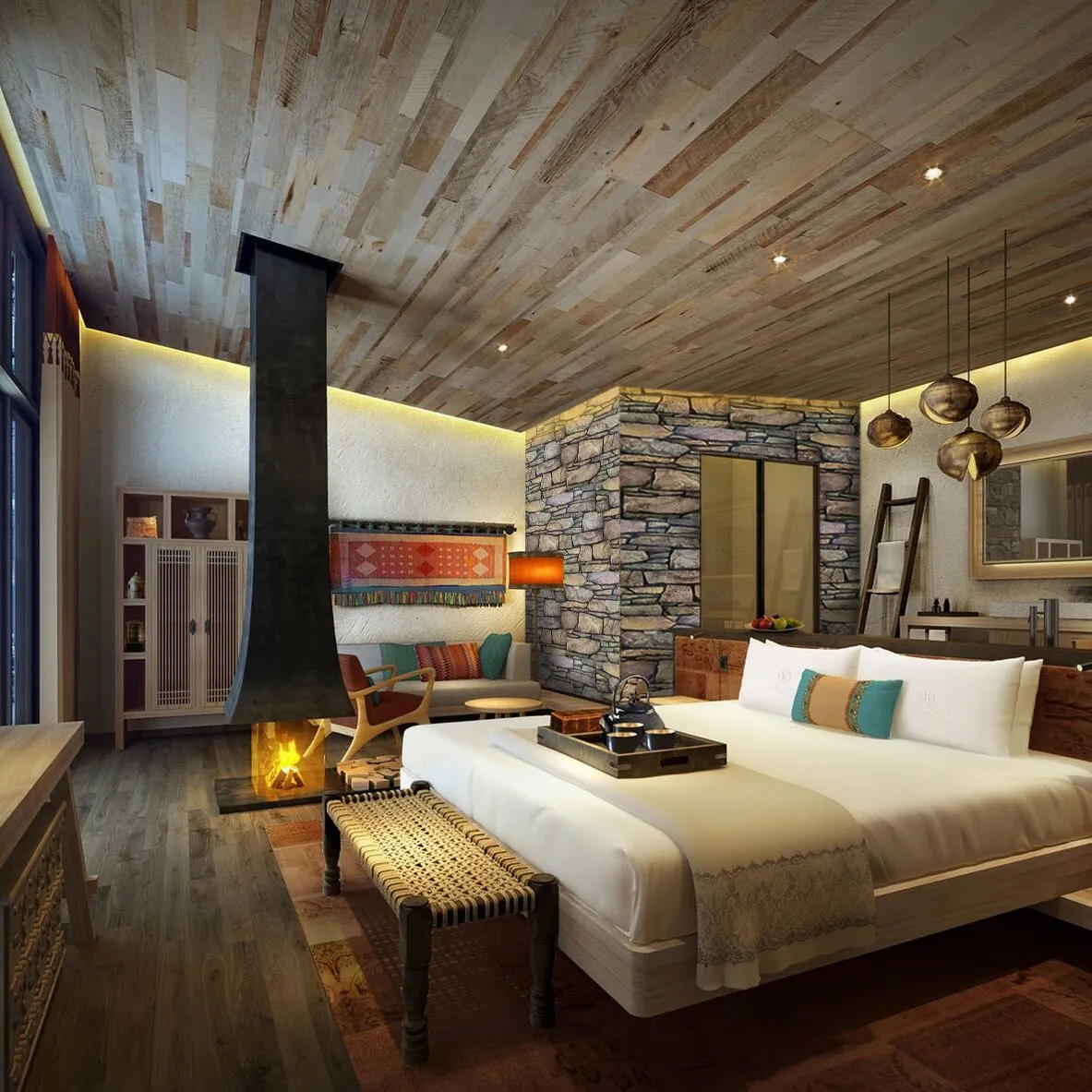
Ever seen a panel that tricks geologists? Aowei's rock textures capture sedimentation patterns so precisely, you'd swear they time-traveled to collect molds from Jurassic cliffs. Their secret? 7-layer digital scanning of actual castle ruins before precision molding.
What architects love: Their color-layering technique that creates natural weathering effects – no two panels identical, yet perfectly harmonious.
When NASA engineers needed lunar habitat materials, they consulted Zhongke. Their GRC fortress panels withstand impacts that would shatter granite, thanks to nano-reinforced cement matrices. Perfect for coastal castles facing Atlantic fury.
Their signature serrated-edge panels interlock so tightly, they've passed missile impact tests – medieval defense for the modern age.
Who says castle walls can't be eco-warriors? Fuzhou's polyurethane formulas now incorporate bamboo charcoal derivatives that actively purify air – like installing 100 square meters of forest on your facade.
Their latest "Faux Granite" collection uses 70% recycled quartz from electronics manufacturing waste, turning e-trash into regal elegance.
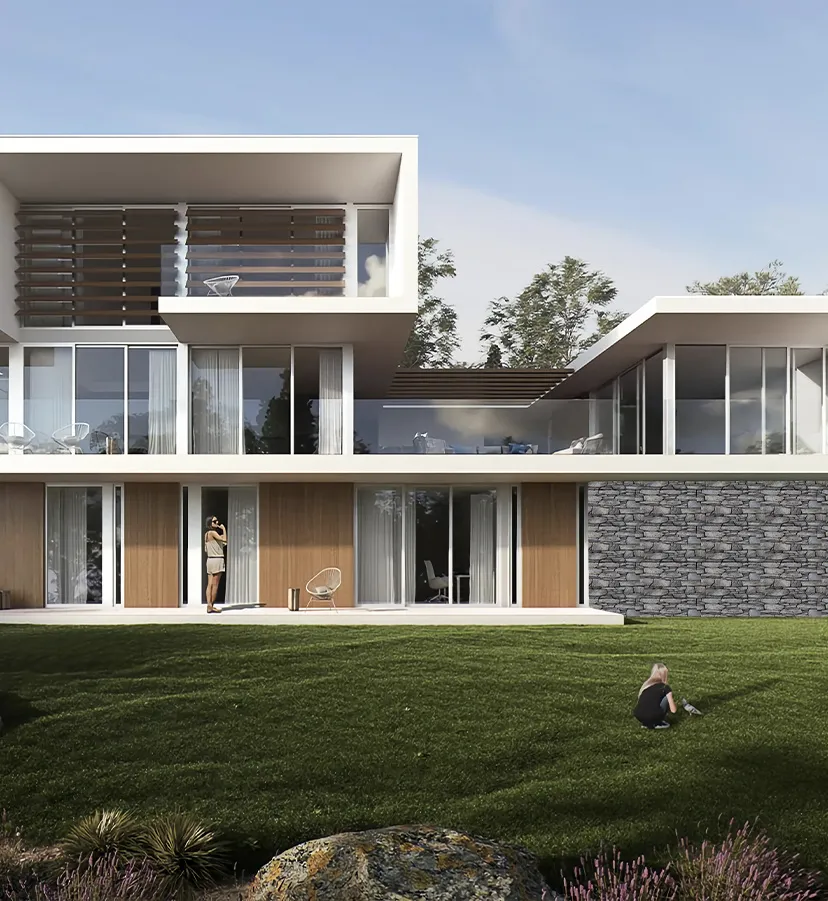
Gone are the days of one-style-fits-all castles. Chinese manufacturers now offer interpretive collections:
- Alessandro Ricci, Principal Architect, Studio Archivolti
Forget mortar mixing that leaves your clothes looking like a plaster statue. Modern systems are marvels of engineering:
The Drylock Revolution: Tongue-and-groove systems with integrated gaskets create watertight seals without a drop of mortar. Temperature expansion joints? Calculated to 0.01mm precision.
Scaffolding-Free Solutions: Lightweight means workers often install directly from lifts without heavy frameworks. That castle tower? Might have been paneled in less time than it took to build the scaffolding for natural stone.
Seasonless Application: Special adhesive formulas cure at -10°C to 50°C – install during Canadian winters or Arabian summers without breaking a sweat.
What's next in the world of faux-stone alchemy?
Panels with embedded hydroponic channels – castle walls sprouting vertical gardens where ivy meets circuitry.
Thin-film photovoltaic layers between protective mineral finishes – powering moat pumps with sunlight captured through "stone".
Microcapsules releasing mineral-repair compounds when scratched – like a knight's armor that mends its own dents.
Here's what most architects miss when specifying castle stone: the unseen innovations beneath the surface. Chinese manufacturers engineer core structures with aircraft-grade aluminum honeycomb matrices that laugh at thermal expansion. Hidden internal drainage channels prevent moisture buildup – the hidden hydrodynamics of a dry castle wall. These aren't surfaces; they're engineered systems wearing historical costumes.
As we create environments celebrating ancient architecture through modern eyes, these products bridge millenniums. That castle entrance that welcomes you today? It was probably shaped yesterday – not quarried centuries ago – carrying forward architectural dreams with lightweight building decorative panels that honor the past while building smarter futures.
Recommend Products












