
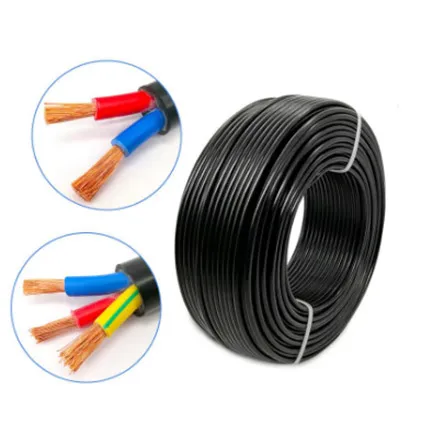
Ever been halfway through a home renovation project and realized your cables just aren't cutting it? Or worse – had your entertainment system go dark because your power cables decided to retire early? Trust me, I've seen enough DIY disasters to know cables can make or break any setup. With new tech rolling out faster than ever in 2025, picking the right wiring isn't just convenient, it's crucial.
Think about it: we're living in homes stuffed with smart gadgets, solar setups that power entire neighborhoods, and offices packed with sensitive electrical equipment. One flimsy cable in your solar array? That could mean losing 20% efficiency overnight. Or imagine high-voltage appliances getting unstable juice from subpar wiring – hello, fire hazards! That's why major china cable manufacturer facilities now bake three-layer insulation into everything they produce. These aren't your grandpa's wires anymore.
| Cable Type | Best For | Durability | Safety Rating | Eco-Factor |
|---|---|---|---|---|
| Power Cables | Home appliances & solar farms | 10+ years | Fireproof coating | ★★★☆☆ |
| Control Cables | Building automation systems | 15+ years | Short-circuit proof | ★★★★☆ |
| Eco-Wires | Green building projects | 20+ years | Zero toxic fumes | ★★★★★ |
Data from independent testing labs (Jan 2025)
This year's game-changer? Lead-free sheathing. While browsing electrical equipment and cable sales at trade shows, I noticed every major player now offers wiring wrapped in recycled silicone. Why? Because 2025 building codes in places like Dubai actually give tax breaks for using biodegradable plastics. That eco-friendly badge isn't just marketing fluff either – these new jackets actually outperform traditional PVC in desert heat. Plus, they don't release toxic fumes during fires, which is a lifesaver literally.
Thinking about adding rooftop solar next year? You'll need power cables that won't buckle under voltage spikes. Considering automated blinds or security systems? Control cables with military-grade interference shielding will save you countless headaches. And if you're wiring a commercial building? Don't even think about skipping flame-retardant insulation - city inspectors will shut you down faster than you can say "short circuit".
My advice after testing hundreds of samples: look for the double triangle symbol on the jacket. It means the wire meets 2025's global sustainability benchmarks. That little mark is your guarantee against expensive replacements down the road.
Here's something they don't advertise: quality wiring should outlast your roof. I visited a factory where they stress-test cables by running double voltage through them for 90 days straight. The winners? Control cables with graphene strands – they showed zero degradation. Meanwhile, bargain-bin wires literally melted at the six-week mark. Moral? That extra $0.50 per foot pays itself back tenfold in avoided repair nightmares.
When reviewing environmentally friendly electrical equipment and cables , check for recycled metal content percentages. Top-tier brands now source 65%+ of copper from salvaged infrastructure – just ask for their sustainability report!
After connecting more wires than I can count, here's the skinny: For household setups, armored power cables with fire-resistant sleeves can't be beaten. Commercial projects? Go with shielded control cables – they laugh off electromagnetic interference. And if you care about leaving a lighter footprint (and who doesn't in 2025?), insist on fully recyclable insulation. Tech changes, but quality wiring remains the quiet hero behind every flick of a switch.
Recommend Products












