
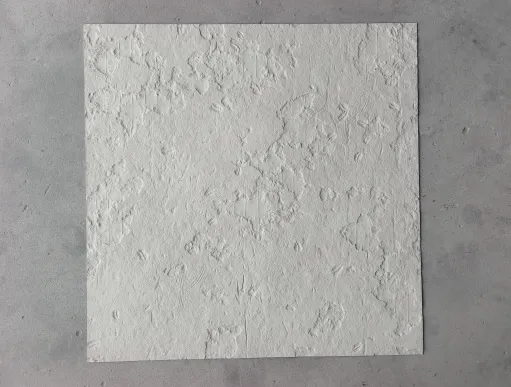
Discover how Bali's legendary natural stone can transform contemporary living spaces with timeless elegance and earth-crafted beauty
There's something magical about stepping into a home where nature's artistry greets you at every turn. That's exactly what Bali stone brings to modern interiors. Picture this: early morning light streaming through floor-to-ceiling windows, dancing across volcanic rock surfaces that feel like solidified poetry. This isn't just flooring or backsplashes - it's geological storytelling.
Bali's stone artisans understand what most manufacturers forget: stone has personality. Unlike sterile, mass-produced tiles, each Bali stone slab carries its own fingerprint - swirls that recall ancient lava flows, quartz sparkles mimicking tropical starlight, patterns that feel like petrified palm fronds. It's imperfectly perfect, like that beautiful crackle in a vintage leather chair that tells you it's lived a life.
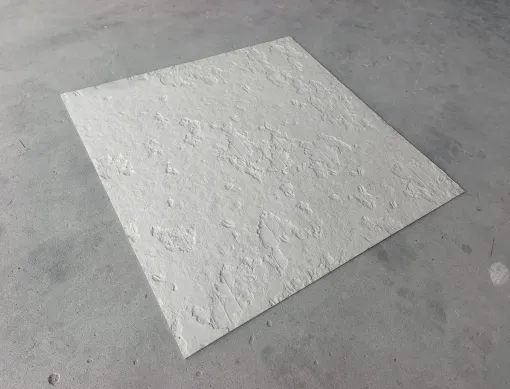
So what makes this Indonesian treasure stand apart in a market flooded with lookalikes? The answer lies in its creation story. Imagine stone formed near ocean cliffs where salt-spray weathers surfaces to velvety softness. Or volcanic deposits enriched with mineral cocktails that create colors you simply can't replicate in a factory.
But beyond geology, it's about relationship to material. Western designers talk about sustainability; Balinese craftsmen live it. Their quarrying techniques feel more like careful extraction than mining - taking only what the land offers willingly, leaving minimal scarring on the earth. The water used in polishing gets recycled into rice paddies. Even stone dust finds new life in terrazzo blends.
Run your hand across Bali stone and you'll discover sensory poetry. Not the icy uniformity of polished marble, but variations that feel alive - pebbled surfaces like river stones, subtle ripples echoing volcanic patterns, or the grainy warmth of sand that's surrendered to stone.
Forget the sterile whites or predictable grays. Bali stone introduces colors with rich backstories: "Sunset Lava" with its rusty ambers, "Monsoon Gray" carrying blue undertones, "Rattan Cream" echoing bamboo forests, or the legendary "Bali Green" that shifts color like tropical seas.
These aren't surfaces that panic at wine spills or high heels. Formed under volcanic pressure and Indonesian humidity, Bali stone laughs at domestic accidents. Properly sealed, it scoffs at stains while developing character marks that enhance rather than diminish its charm.
Contemporary architects are redefining how we use natural stone, moving beyond predictable entries and fireplaces into creative collaborations with this elemental material. Let's explore what happens when Bali stone dances with modern design:
Kitchens That Breathe
Forget sterile lab vibes. Imagine waterfall islands showing stone's geological layers like earth-core samples. Picture backsplashes cut to preserve natural edge patterns where stone meets air. Bali stone absorbs cooking heat rather than reflecting it, making kitchens feel nourishing rather than clinical.
Bathrooms That Unwind
Here's where Bali stone truly shines as a wellness material. Slip-resistant finishes mimic riverbed stones underfoot. Steam releases subtle mineral scents trapped in the stone. Sunken tubs carved from single blocks transform bathing into geological immersion therapy.
Pools That Feel Like Lagoon
Bali stone has natural water affinity - it doesn't just tile pools but becomes them. The famous "Bali Green Sukabumi" evolves under water, developing vibrant emerald hues impossible to replicate in ceramic. Its natural pH balance keeps chemical use minimal.
Not all Bali stone suppliers understand modern design aesthetics. These brands bridge geological tradition with contemporary vision:
They treat stone like fabric, experimenting with folding, layering, and blending that challenges traditional applications. Their "Ethos" collection transforms quarry waste into stunning composite panels, while their signature pool tiles bond seamlessly to modern concrete.
Specialists in that elusive Bali Green spectrum, they've perfected natural quarry finishing techniques that reveal crystalline structures. Particularly stunning are their bookmatched slabs where symmetrical patterns create Rorschach-like installations in feature walls.
And then there's the unsung hero: the thermal mass benefit that naturally regulates interior temperatures. In Bali's tropical climates, stone absorbs daytime heat and gently releases it at night - a passive climate control strategy now adopted in modern green buildings worldwide. This functional beauty makes Bali stone more than decoration; it becomes part of your home's living system.
Incorporating Bali stone isn't about cladding every surface - subtlety creates magic. Here's how to integrate its soulful presence with restraint:
The Material Conversation
Bali stone loves dialogue with contrasting materials. Pair smoky andesite with smooth poured concrete. Let creamy limestone warm up steel structures. See how petrified wood accents create nature dialogues within the stone family.
Lighting That Reveals
Modern recessed lighting can flatten natural stone. Instead, position directional fixtures to graze surfaces, revealing hidden topography. Backlight thinner slabs to glow like captured sunset.
Sealing Secrets
Modern nano-sealers provide invisible protection without the plastic-like sheen that murders natural texture. High-traffic areas benefit from matte sealers that maintain "barefoot-friendly" surfaces.
When we choose building materials today, we're casting votes for tomorrow's world. Bali stone offers compelling advantages for conscious homeowners:
Zero Waste Philosophy
Ethical quarries utilize every fragment - from architectural slabs down to crushed aggregate for pathways. Compare this to synthetics requiring new petrochemical inputs for each square foot.
Carbon Capturing
Unlike manufactured tiles producing carbon during firing, limestone actually absorbs CO2 through natural carbonation over its lifetime - making stone literally carbon-capturing architecture.
Regional Economy Support
This is hand-crafted material from family-run quarries employing traditional techniques. Your choice directly sustains communities preserving geological craftsmanship.
In our increasingly digital lives, the hunger for tangible, authentic materials grows stronger. Bali stone answers that craving by grounding modern spaces in elemental reality. Its variations aren't flaws but signatures - natural brushstrokes proving no two moments in creation are identical.
The real magic happens when modern design respects material heritage. Architects who listen to what stone naturally offers (rather than forcing it into rigid patterns) create spaces that breathe with geological wisdom. From striking kitchen islands that command attention to quietly beautiful bathroom thresholds that cradle bare feet, Bali stone brings Indonesian earth-energy into contemporary homes with grace.
That's why incorporating sustainable stone feels like both an aesthetic revolution and a quiet homecoming.
Recommend Products












