

In the world of commercial construction, first impressions matter—and few elements shape those impressions quite like a building's exterior and interior cladding. Whether it's a bustling retail mall, a serene hospital lobby, or a sleek corporate headquarters, the materials chosen to clad walls play a pivotal role in defining aesthetics, functionality, and even brand identity. For commercial building materials suppliers and architects alike, the search for cladding solutions that balance durability, design flexibility, and cost-effectiveness is never-ending. Enter MCM flexible cladding stone wall panel solutions—a modern marvel that's redefining how we approach architectural façade solutions in commercial spaces. Let's dive into why these panels have become a go-to choice and explore their best applications across key commercial sectors.
Before we jump into applications, let's get clear on what makes MCM panels stand out. Short for "Mineral Composite Material," MCM is a lightweight, flexible cladding option crafted from a blend of natural minerals, polymers, and reinforcing fibers. Unlike traditional stone or rigid cladding materials, MCM panels are engineered to be thin (typically 3-6mm thick), bendable, and surprisingly strong. Think of them as a chameleon of the building world: they can mimic the look of natural stone, wood, marble, or even metal, but without the weight, brittleness, or installation headaches of their traditional counterparts.
Commercial building materials suppliers love them for good reason: they're easy to transport (no heavy machinery needed), quick to install (cutting down labor costs), and built to withstand the elements—from scorching desert sun in Riyadh to freezing winters in Chicago. Plus, their flexibility means they can hug curved surfaces, wrap around corners, or create intricate designs that rigid materials like porcelain slab tile for wall solutions simply can't match. Let's break down their superpowers:
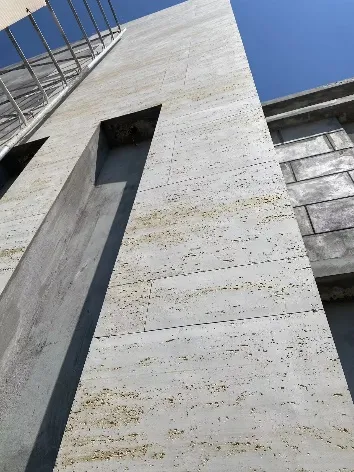
In retail, the exterior of a store or mall is more than just a wall—it's a billboard. Brands compete fiercely to catch the eye of passersby, and cladding plays a starring role in that effort. MCM flexible cladding stone wall panel solutions shine here, thanks to their ability to transform a plain storefront into a brand statement.
Take, for example, a luxury fashion boutique in a busy shopping district. The brand wants a high-end look—think Carrara marble or travertine—but can't afford the cost or weight of real stone. Enter MCM panels. A commercial building materials supplier can provide panels that replicate the veining and texture of marble so accurately that customers might do a double-take. And because MCM is lightweight, the boutique can install the panels over existing walls in just a few days, minimizing downtime during renovations—a critical factor for retailers who can't afford to close for weeks.
For larger retail spaces like malls or department stores, MCM's flexibility is a game-changer. Imagine a curved atrium wall that needs a cohesive, stone-like finish. Traditional cladding would require custom-cutting heavy slabs, leading to waste and higher costs. MCM panels, however, can bend to follow the curve seamlessly, creating a fluid, inviting space that draws shoppers in. Compare that to porcelain slab tile for wall solutions, which, while durable, are rigid and better suited for flat surfaces. MCM's design freedom gives retailers the edge in creating memorable, Instagram-worthy spaces that keep customers coming back.
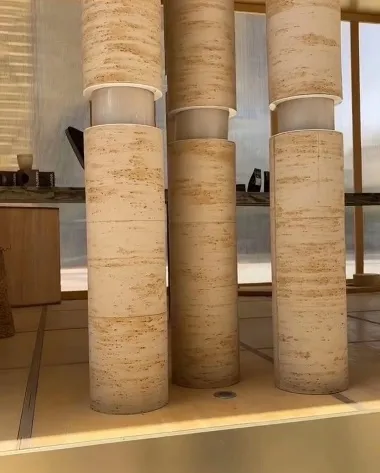
Hotels, restaurants, and resorts face a unique challenge: balancing luxury aesthetics with the need to withstand heavy foot traffic, harsh weather, and frequent cleaning. MCM flexible cladding stone wall panel solutions check both boxes, making them a favorite among hospitality architects and commercial building materials suppliers.
Consider a beachfront hotel in Dubai. The exterior walls take a beating from saltwater spray, intense sunlight, and sandstorms. Traditional stone cladding would fade, crack, or require constant sealing to resist corrosion. MCM panels, however, are engineered to repel moisture and UV rays, maintaining their color and texture for decades. A quick hose-down is all it takes to keep them looking fresh—no expensive maintenance crews needed.
Inside, restaurants and hotel lobbies benefit from MCM's stain resistance. Picture a busy hotel breakfast area with walls clad in MCM panels designed to look like rustic slate. When a guest spills coffee or a server bumps a tray, the panels wipe clean with a damp cloth, avoiding permanent stains. Contrast this with porous materials like natural travertine, which would absorb liquids and require costly sealing treatments. For hospitality spaces where first impressions (and repeat guests) are everything, MCM's blend of beauty and resilience is hard to beat.
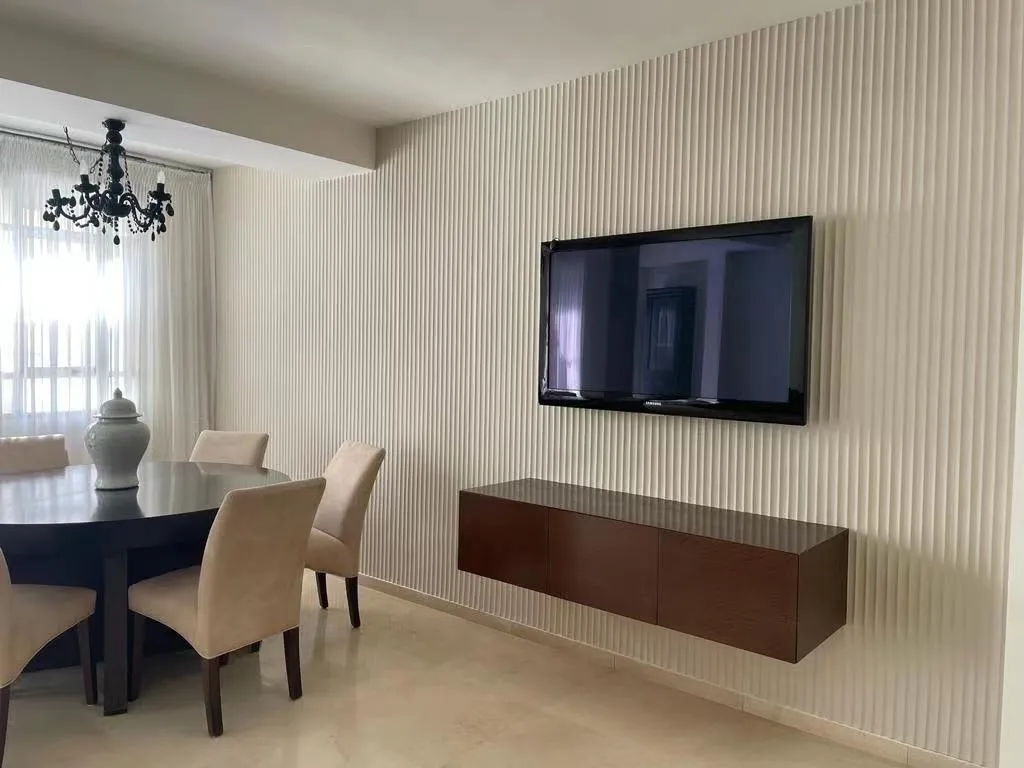
When it comes to hospitals, schools, and other public institutions, safety and compliance are non-negotiable. That's where MCM panels, paired with specialized solutions like class A fireproof CPL inorganic board for hospital and school solutions, become indispensable. While fireproof CPL boards are ideal for interior walls (thanks to their zero-flame spread and low smoke emission), MCM panels excel in exterior and high-visibility interior areas where safety needs to coexist with aesthetics.
Let's take a children's hospital. The exterior needs to be welcoming and calming—think soft, cloud-like textures or warm wood tones—to put young patients at ease. But it also needs to meet strict fire safety codes. MCM panels with a Class A fire rating (the highest possible) fit the bill. They're non-combustible, emit minimal smoke in a fire, and won't contribute to flame spread—critical for protecting lives in emergency situations. Plus, their smooth surface resists mold and bacteria growth, a must in healthcare settings where infection control is paramount.
Schools, too, benefit from MCM's durability and low maintenance. High school hallways with MCM-clad walls can withstand years of backpack scrapes, graffiti (easily cleaned off), and the general wear and tear of thousands of students. And because MCM is lightweight, it reduces the risk of structural damage in areas prone to earthquakes—a key consideration for schools in seismically active regions. When paired with fireproof CPL boards for interior classrooms, MCM helps create a safe, long-lasting environment where educators can focus on teaching, not building upkeep.

Corporate headquarters are more than workplaces—they're physical representations of a company's values and culture. Tech startups might opt for sleek, futuristic designs, while law firms may prefer classic, authoritative aesthetics. MCM flexible cladding stone wall panel solutions offer the versatility to match any brand identity, making them a top pick for commercial building materials suppliers serving the corporate sector.
Consider a fintech company aiming to project innovation and reliability. Their new office building's façade could feature MCM panels in a metallic finish, arranged in a geometric pattern that catches the light and changes appearance throughout the day—symbolizing the company's dynamic, forward-thinking approach. Inside, reception areas could use MCM panels mimicking reclaimed wood, adding warmth and approachability to balance the tech-driven vibe. Unlike rigid architectural façade solutions, MCM allows for these creative, custom designs without blowing the budget.
Sustainability-focused companies also gravitate toward MCM. Many panels are made with recycled content and are fully recyclable, aligning with green building certifications like LEED. For a company that prides itself on eco-friendly practices, specifying MCM cladding sends a clear message to clients and employees alike: sustainability isn't just a buzzword—it's built into the walls.
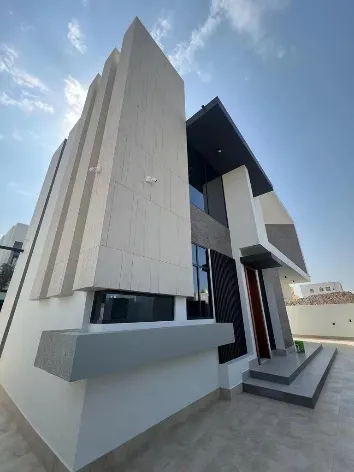
To help commercial builders and architects decide if MCM is right for their project, let's compare it to other popular cladding options. The table below breaks down key factors like cost, durability, and design flexibility—straight from the playbooks of commercial building materials suppliers.
| Material | Weight (kg/m²) | Flexibility | Installation Time (per 100m²) | Cost (USD/m²) | Durability (Expected Lifespan) | Fire Rating |
|---|---|---|---|---|---|---|
| MCM Flexible Cladding | 4-6 | High (bends up to 30°) | 1-2 days | $45-80 | 20+ years | Class A |
| Porcelain Slab Tile | 15-20 | Low (rigid) | 3-4 days | $60-100 | 25+ years | Class A |
| Natural Granite | 25-30 | Very Low (brittle) | 5-7 days | $100-200 | 50+ years | Class A |
| Class A Fireproof CPL Inorganic Board | 8-10 | Low (rigid) | 2-3 days | $35-55 | 15+ years | Class A |
As the table shows, MCM strikes a sweet spot between cost, installation speed, and design flexibility. While natural granite lasts longer, its weight and cost make it impractical for most commercial projects. Porcelain slab tile for wall solutions is durable but rigid, limiting design possibilities. For commercial builders looking to balance aesthetics, budget, and performance, MCM is often the clear winner.
Of course, even the best cladding material is only as good as the supplier behind it. When sourcing MCM flexible cladding stone wall panel solutions, look for a commercial building materials supplier with a track record in architectural façade solutions. Ask for case studies of similar commercial projects—retail, hospitality, healthcare—and check if they offer customization options (like custom colors or textures) to match your design vision. Reputable suppliers will also provide technical support, from material samples to installation guides, ensuring your project runs smoothly from start to finish.
In a world where commercial buildings need to be beautiful, durable, and cost-effective, MCM flexible cladding stone wall panel solutions are more than a trend—they're a revolution. From retail storefronts that stop pedestrians in their tracks to hospitals that prioritize safety without sacrificing warmth, MCM panels prove that commercial building materials can be both functional and inspiring. As architects and builders continue to push the boundaries of design, MCM will undoubtedly remain at the forefront, helping shape the commercial spaces of tomorrow—one flexible, lightweight, stunning panel at a time.
Recommend Products











