
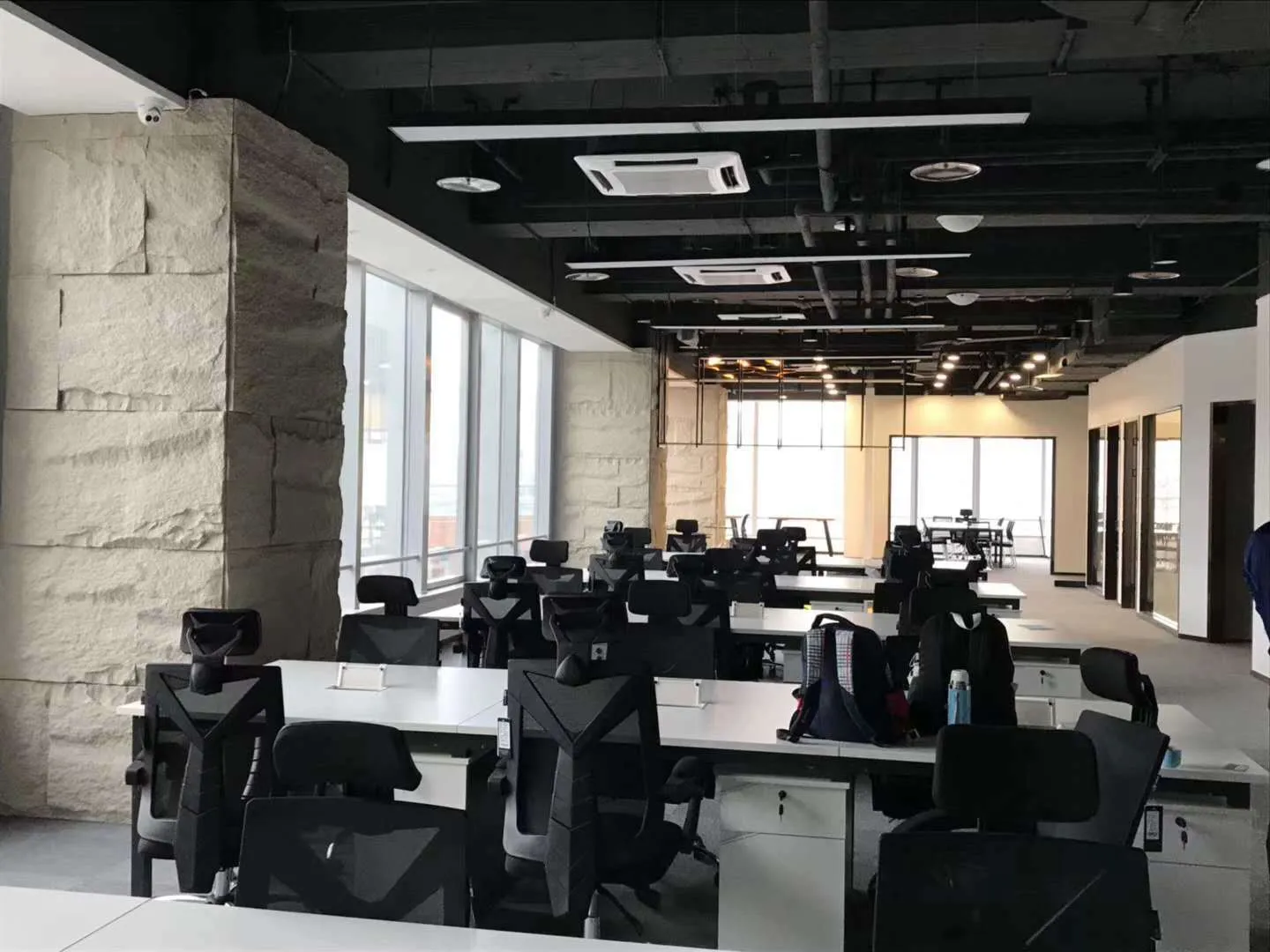
Let's get real for a second – when you think about stone in architecture, 'flexibility' probably isn't the first word that pops into your mind. Heavy. Solid. Immovable. That's the stone we know. But what if I told you modern stone skin panels can bend like warm taffy around tight curves? We're talking serious flexibility where panels hug curves tighter than your favorite jeans.
This isn't just about aesthetics either. When lightweight building decorative panels (like our stone skin systems) can conform to radical curves, architects gain superpowers. Suddenly, that impossible dome or undulating facade isn't just possible – it's practical. We're freeing designers from the tyranny of straight lines and 90-degree angles.
Think about the energy in curved spaces – how a rounded ceiling makes you look up, or how a curved wall guides you through a space. Rigid materials steal that magic. Flexible stone panels give it back with interest. And I've seen it firsthand – that moment when a client runs their hand along a smoothly curved stone surface that they thought couldn't exist? Pure magic.
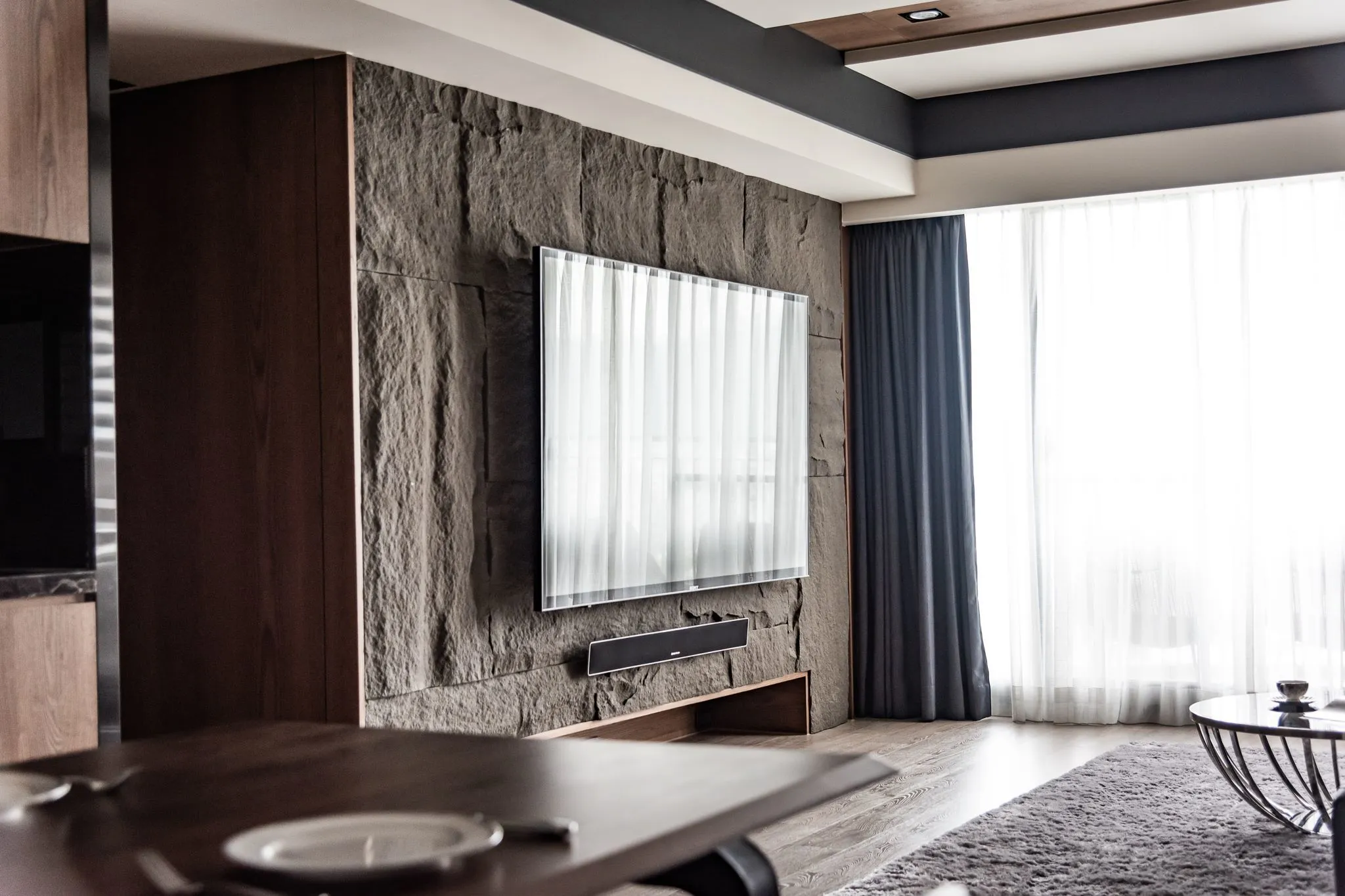
Traditional stone has always been like that one stubborn family member who refuses to budge on anything. You want a curve? Tough luck. But stone skin panels? They're the cool, adaptable cousin who goes with the flow. We're working with super-thin slices of real stone here – typically 1-3mm thick – backed by high-tech composites that do all the bending heavy lifting.
What's fascinating is how this flips the whole installation game on its head. Remember trying to curve traditional stone? It involved:
With flexible systems, you unroll these panels almost like wallpaper. Okay, not quite – but it feels that revolutionary compared to old methods. The seam binding techniques borrowed from advanced textiles ensure everything stays put without ugly transitions.
So how do we know a panel genuinely meets that ≥1m radius requirement? It's not just about bending it once and calling it good. The true test lies in three critical phases:
We start at room temperature - the everyday reality for most installations. The panel gets slowly curved around calibrated mandrels while lasers map surface tension. Any micro-cracking? The sensors will spot it before your eye can. What we're really watching for is the point where the stone layer stops playing nice with its composite backing.
This is where things get spicy. We bake panels at 60°C (140°F) – about the temperature a dark facade hits in summer - then immediately chill them to freezing. After 5 cycles, we check for:
Delamination warning signs
Edge lifting that could trap moisture
Visible stress patterns under UV light
The industry's dirty secret? Some panels bend beautifully... once. What happens after 10,000 subtle flexes from wind loading or thermal movement? Our jig replicates years of micro-movement in days. If the panel starts 'remembering' a curve or showing fatigue lines, it fails. Real buildings move, and your materials better move with them.
Weirdly enough, the most revealing test isn't done by machines. After all the technical checks, we bring in the stone masons – the folks whose hands actually install these panels. Their feedback is gold:
"This one fights the curve when I'm applying adhesive"
"Edge wants to peel back here when I trim it"
"The surface finish hides stress marks too well – I wouldn't see damage"
That last point? Crucial. Some materials mask stress beautifully until catastrophic failure. We actually prefer panels where subtle 'warning' patterns appear before serious damage. Because in the real world, if your mason can't see trouble coming, they can't prevent it.
Testing isn't just about physics – it's psychology. How does the material behave when someone's tired at 3 PM on Friday? Does it forgive minor handling errors? Or does it crack if you look at it wrong? That's what separates lab superstars from real-world performers.
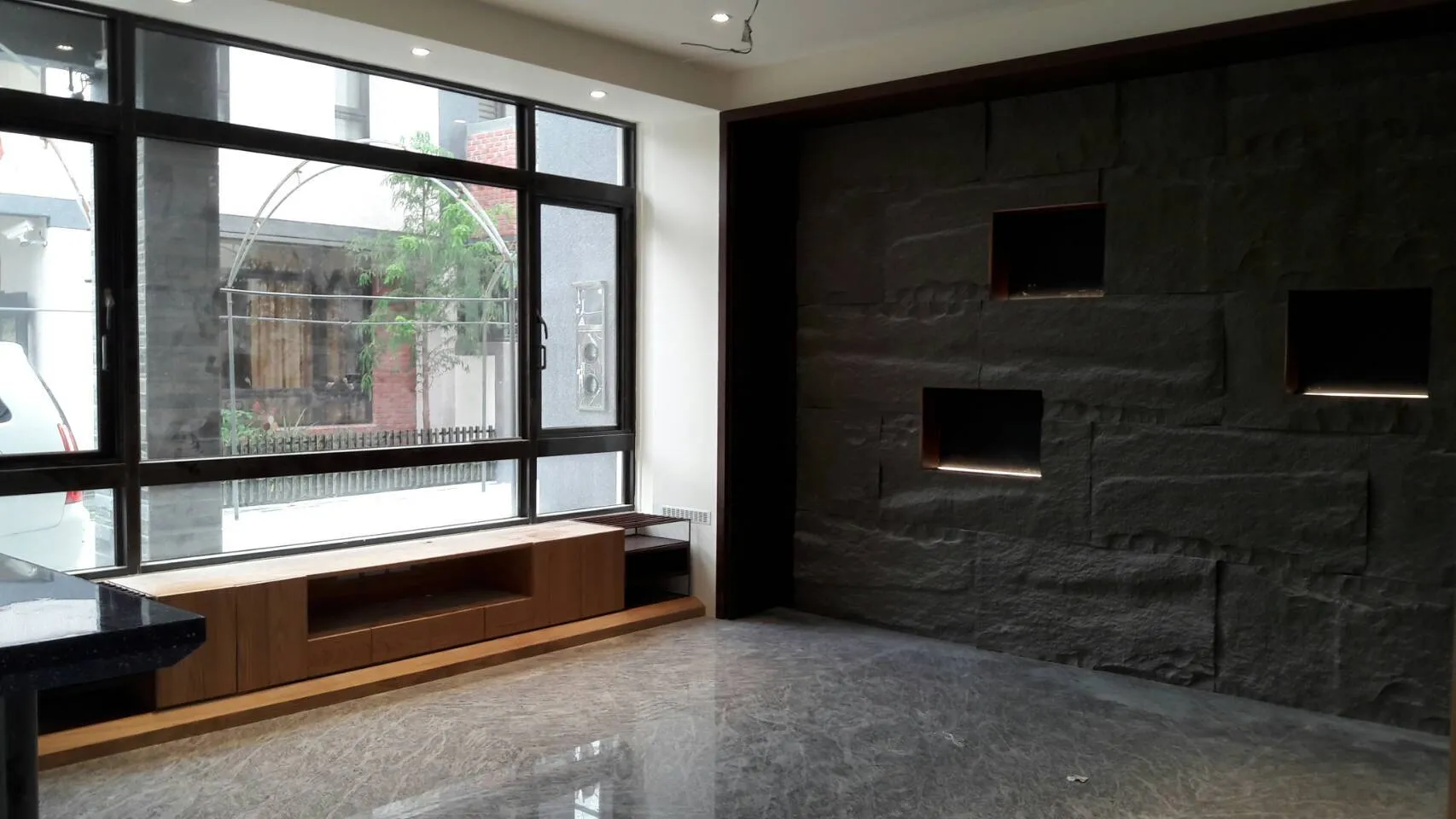
While we obsess over radius measurements, true flexibility lives in the grey areas:
Acoustic Flexibility: How does curving change sound reflection in an auditorium? We've seen curved panels tame harsh echoes better than sound foam.
Light Dance: A curved stone surface plays with light differently throughout the day. Our tests include hourly light scans to map these effects – because what good is a beautiful curve if it creates blinding glare at 2 PM?
The Emotional Curve: Here's something engineers rarely measure – how curves make people feel. In hospitals, we've tracked stress reduction near curved stone walls. In offices, increased collaboration near softly curved dividers. The bend in the panel literally bends moods.
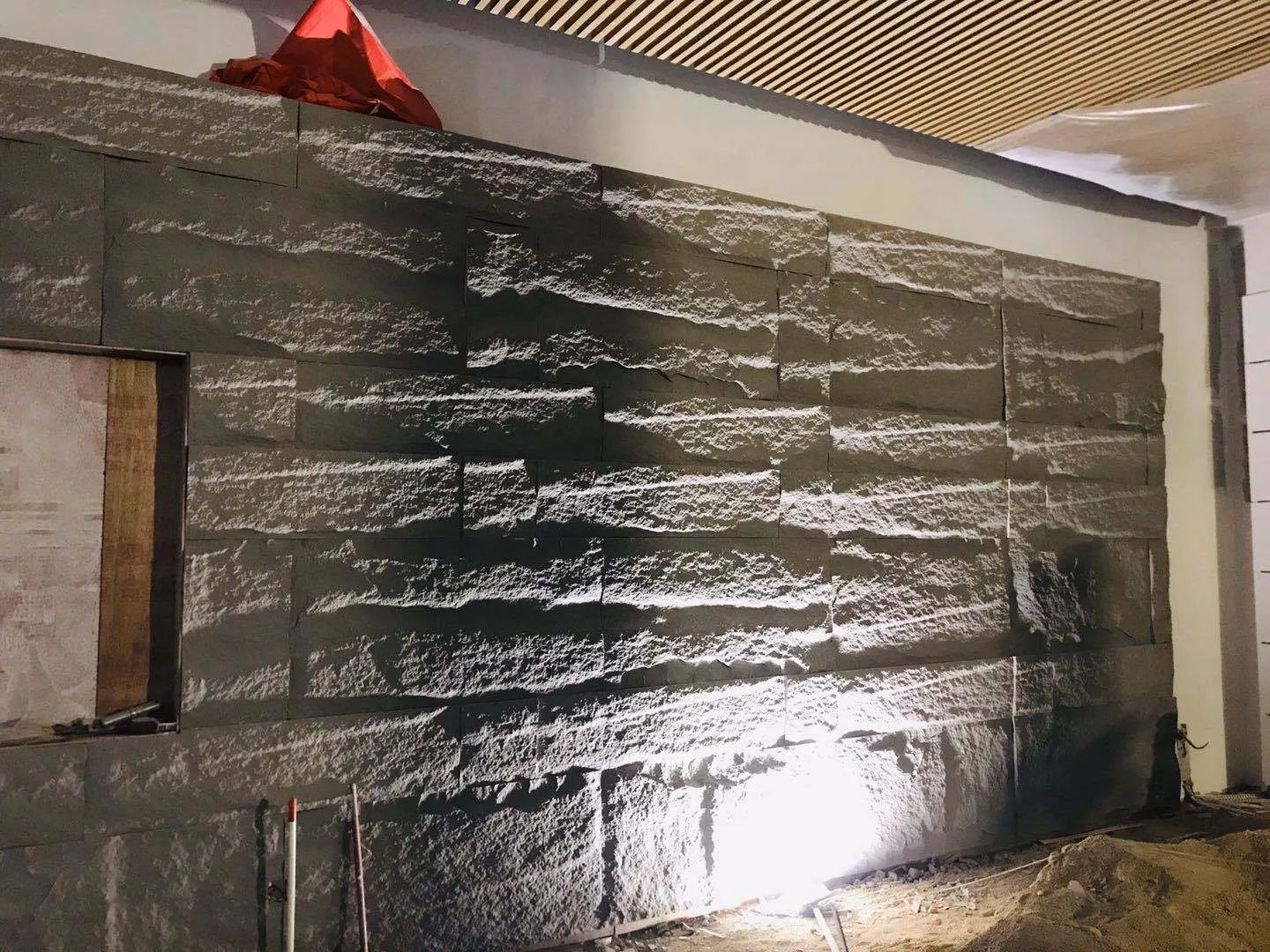
All the lab tests in the world can't predict what happens on a rainy Tuesday at a job site. That's why our final certification requires three real-world installations:
We film these like reality TV – not for drama, but to study body mechanics. How much force are installers really using? Where do they improvise? What shortcuts emerge under pressure? This footage has improved our testing protocols more than any lab report.
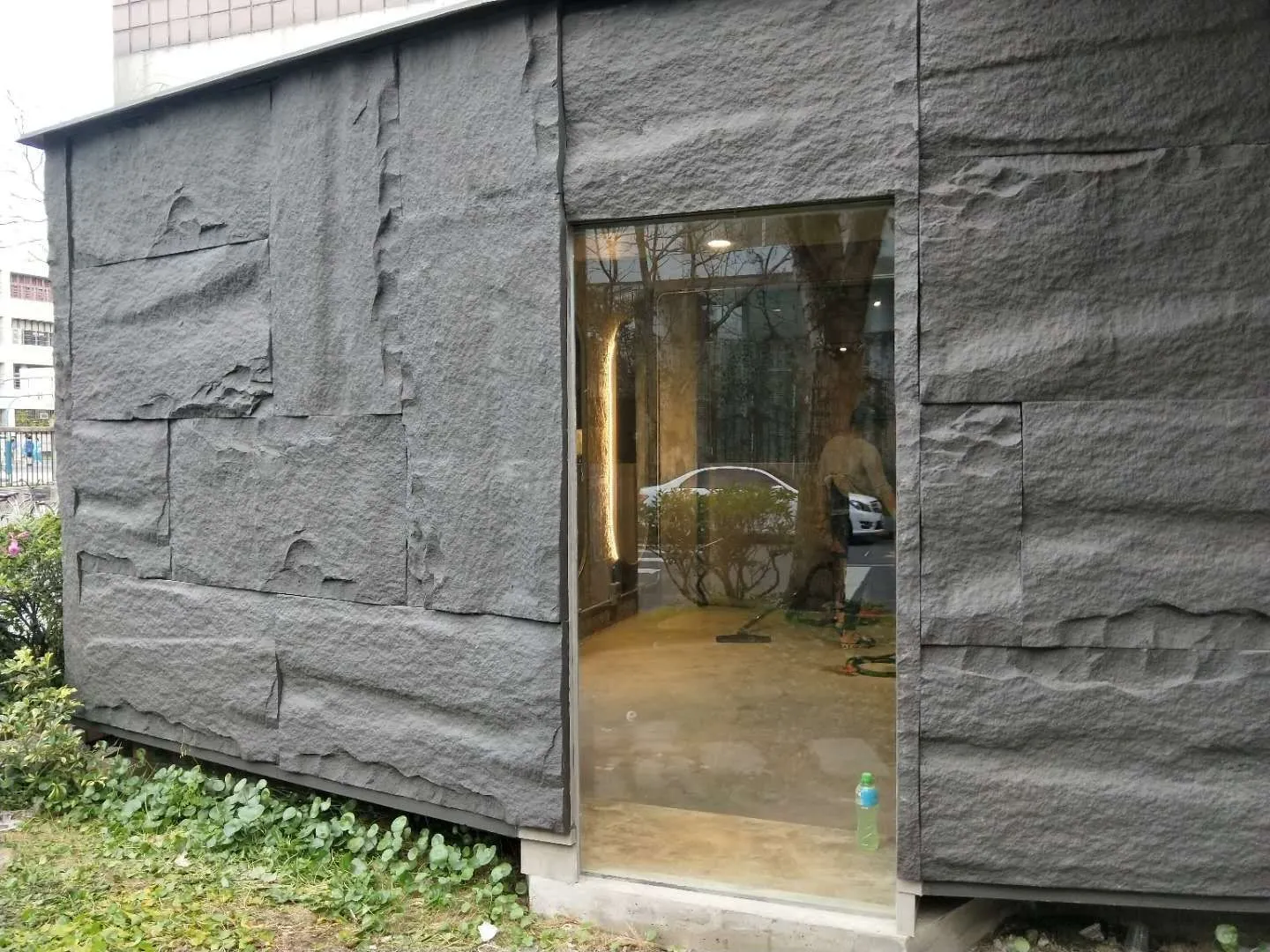
Where's this heading? Next-gen panels with dynamic flex ranges – materials that stiffen after installation for added security. Self-monitoring systems with embedded fibers that glow when stressed. Even panels that remember multiple curves for removable installations.
But here's the real dream: eliminating radius limits altogether. A panel that bends to any curve without special treatment. We're closer than you'd think – some lab prototypes handle crazy spaghetti-like bends while maintaining stone integrity.
Ultimately, this flexibility revolution isn't about showing off engineering prowess. It's about returning to why humans love stone in the first place – its warmth, its texture, its connection to earth – but freeing it from ancient limitations. Because in the end, materials should serve vision, not constrain it.
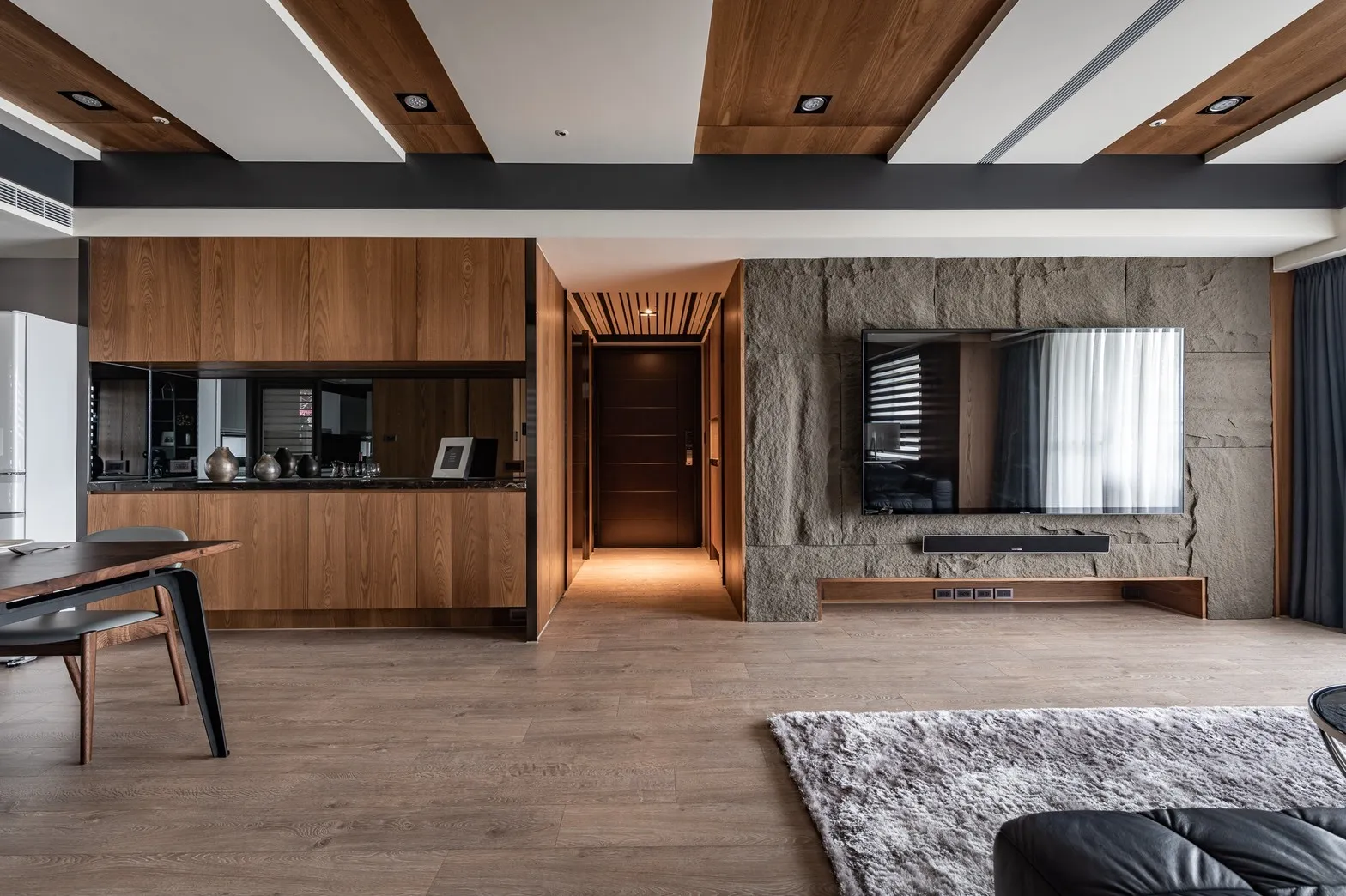
Testing stone flexibility ends up revealing something about ourselves too. How often do we cling to rigid approaches because "that's how it's done"? When you spend your days bending stone to impossible curves, you start seeing flexibility everywhere:
In problem-solving techniques that adapt to new data
In teams that evolve with projects instead of fighting change
Even in how we reconsider spaces as needs shift
Maybe that's the hidden gift of flexible materials – they remind us that adaptation isn't compromise. It's evolution in physical form. And that's worth bending for.
Recommend Products












