
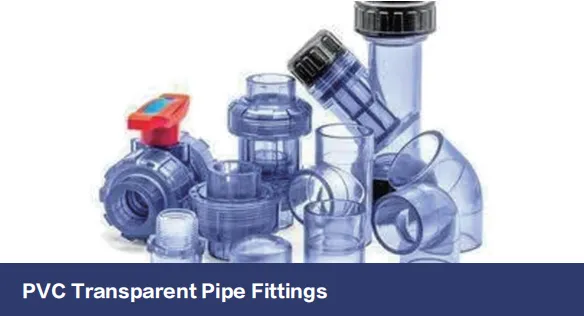
Picture this: You're in charge of a critical plumbing installation for a pharmaceutical lab. Everything seems perfect until one of the PVC transparent pipe fittings suddenly fails, causing contamination and project delays. How quickly can you pinpoint the problem? Where did it originate? Which other installations might be affected? This scenario isn't just hypothetical - it's the daily reality for fabricators and installers working with PVC pipe systems.
Batch traceability isn't another bureaucratic checkbox; it's the backbone of modern pipe fabrication. It transforms how we approach quality, safety, and accountability throughout the PVC lifecycle. When we talk about transparent PVC fittings, the stakes are even higher - these are often used in critical applications like medical facilities, laboratories, and food processing plants where contamination visibility matters.
This comprehensive guide will explore why batch traceability isn't optional but essential for PVC transparent pipe fittings, diving into practical implementation strategies, technological solutions, and how it impacts your bottom line.
Many fabricators rely on random sampling for quality assurance. Here's the problem: PVC consistency varies dramatically between production batches due to subtle differences in:
Sampling tells you something passed inspection, but batch traceability tells you exactly which fittings came from problematic batches. The difference is comparable to having a city map versus a GPS with real-time traffic alerts.
Let's quantify what failure means when dealing with PVC transparent fittings:
When Chicago General Hospital experienced joint failures in their IV distribution system, comprehensive batch tracking identified the issue was confined to fittings manufactured between June 3-7, 2022. Only 37 fittings needed replacement instead of the entire system, saving $430,000 in replacement costs and preventing treatment interruptions.
Effective traceability for transparent PVC depends on three pillars:
Unlike visible markings on metal fittings, PVC requires subtle approaches:
Each physical fitting connects to its digital record:
Critical control points mapped for each fitting batch:
The days of handwritten batch logs are over. Today's solutions include:
Recording light transmission testing data on immutable ledgers prevents data tampering while providing permanent accessibility.
Smart sensors monitor every aspect of the molding process critical for transparency:
Machine learning algorithms cross-reference current batch parameters with historical failure data to predict potential failure zones before fittings leave the factory.
Transitioning to comprehensive batch traceability requires strategic phases:
The ROI timeline shows remarkable efficiency gains:
Transparency introduces unique traceability challenges:
UV exposure impacts PVC transparency. Advanced traceability systems log exposure history to predict clarity degradation rates.
Batch-specific testing against common disinfectants used in medical settings where these fittings are prevalent.
Recording thermal cycling during fabrication helps predict long-term performance in variable temperature environments.
Emerging technologies will redefine traceability standards:
Adding undetectable chemical markers to PVC resin allows verification without visible markings.
Technicians using AR glasses see batch history and performance data while examining installed fittings.
Automatic payments triggered by verification of installed fittings meeting quality thresholds.
Batch traceability for PVC transparent pipe fittings has evolved from quality control necessity to strategic advantage. Fabricators implementing comprehensive systems are seeing tangible benefits:
The path forward is clear: investing in traceability transforms PVC fabrication from commodity production to value-engineered partnership. As industry standards evolve and regulations tighten, those leading in batch traceability integration won't just meet requirements - they'll define them.
Implementing traceability requires commitment, but the alternatives - reactive quality failures, brand damage, and lost contracts - represent far greater costs. For PVC transparent pipe fittings where clarity isn't just optical but operational, traceability provides the vision needed for sustainable success.
Recommend Products












