


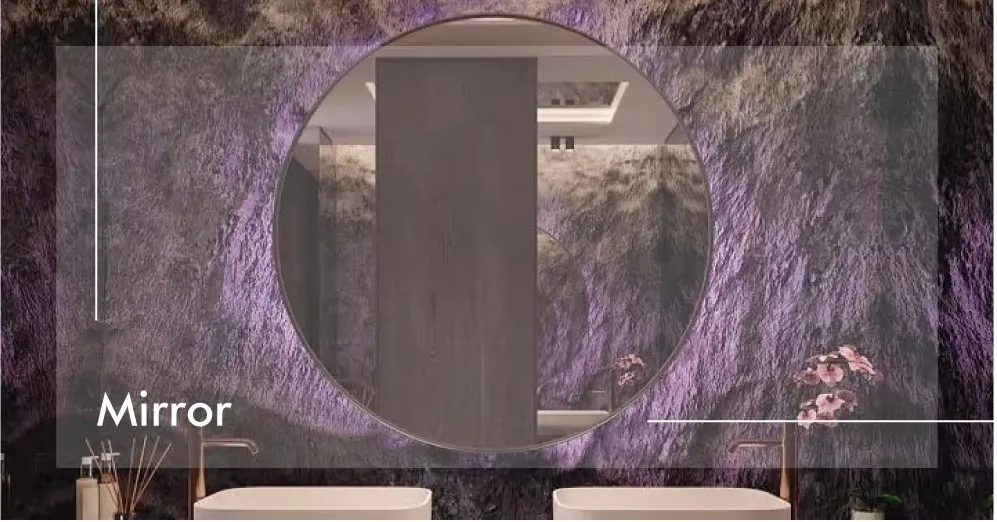
You know that feeling when you glance at a bathroom mirror only to see a warped version of yourself staring back? Or when your decorative mirror starts developing unsightly dark spots? Yep, low-quality mirrors have a sneaky way of ruining your space. Choosing the right mirror isn't just about style - it's about investing in something that offers true reflections and lasts longer than your last haircut. Let's break down what really matters.
The Magic of Glass Quality
Picture this: You're getting ready for a big day when you suddenly notice your reflection makes you look wider than actual reality. That’s what happens when inferior glass shows its colors - literally. High-end mirrors use low-iron glass. Why? Because it doesn’t have the annoying greenish tint that regular glass can't escape. Think of it like upgrading from TV static to 4K visuals - the difference in clarity is genuinely impressive.
Quick Test: Compare two mirrors side-by-side. If one gives a colder, bluer tint while the other shows warmer, clearer reflections, you're looking at the low-iron winner.
Thickness Matters More Than You Think
Is your wall slightly wavy? Don’t sweat it! Thicker mirrors (½-inch minimum) won’t bend to the wall's whim. Thinner options? They warp like a sheet of paper, stretching reality in unpleasant ways. It's kinda like wearing prescription glasses made from plastic wrap - the world looks wonky.
Fun Fact: Top custom furniture manufacturers always use thick-backed mirrors - it prevents that “hall of funhouse mirrors” effect nobody actually wants in their dining room.
Spotting Mirror Distortion Like a Pro
Detecting surface flatness is easier than perfecting winged eyeliner. Stand facing the mirror and pick something in your reflection - like the corner of a picture frame. Slowly move your head around. If the object wobbles or shifts oddly, you’ve got a low-quality mirror. Good ones should keep everything stable, just like reliable friends.
Do: Test mirrors before buying, especially large bathroom ones.
Don't: Assume a fancy frame hides underlying flaws!
Silver-Coating: The Secret Hero
That stunning reflection isn’t magic - it’s chemistry. Premium mirrors use a thick silver nitrate coating protected by sealants (not just basic paint). That’s what keeps images crisp while resisting peeling, tarnishing, and those dreaded dark spots that make you wonder if the mirror caught smallpox. Budget versions? Their thin coating will let you down faster than expired mascara.
Look at the mirror edge-on. Seeing glass instead of silver? You deserve better.
Backing: More Than Just Decorative
If you’ve ever pulled flimsy brown cardboard off a cheap mirror’s back, you know how easily they break. Quality backups mean sturdy materials like wood or aluminum - they protect against humidity and add strength. Think of them like trusty underwire in a bra. Totally unseen? Absolutely. Critically important? You bet.
Edge Treatments - Pretty but Practical
Unfinished edges aren’t just an eyesore - they chip easily and snag clothes. Good manufacturers spend effort polishing or beveling edges for both safety and elegance. It’s those finishing touches that separate luxury vinyl plank flooring style pieces from dollar-store knockoffs.
Run your finger carefully along the edge. Smooth? You're golden. Rough? Keep shopping.
Types of High-Quality Mirrors
- Silvered Mirrors : Everyday workhorses perfect for bathrooms and hallways. Think durable, classic reflections.
- Antiqued Mirrors : Filled with personality and character. Instant room transformation without a renovation.
- Concave Mirrors : Curved inward for flattering close-ups - makeup fans swear by 'em.
- Laminated/Safety-Backed Mirrors : Like safety glass. Doesn’t shatter dangerously.
- Convex Mirrors : The heroes of awkward spaces, helping you see around corners.
Why Certification Matters
Look for ASTM C1503 compliance. That alphabet soup means mirrors have been tested to withstand humidity, corrosion, and aging. Just like checking nutrition labels, it’s about knowing what's inside.
Make Smart Choices
Remember: A quality mirror balances aesthetics and engineering. Don’t choose based solely on price tags or trendy frames. Pay attention to construction details - because honestly, we all deserve reflections that tell the honest truth.
Consider eco-friendly alternatives when updating space for energy savings.










