
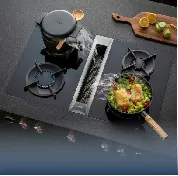
A good stove isn't just an appliance—it's the heart of your kitchen. Think about it: how many times have you relied on your stove to whip up a quick breakfast before work, simmer a comforting stew on a chilly evening, or bake cookies for that last-minute school event? The right stove can make these everyday moments not just possible, but joyful. If you're investing in a new stove or upgrading your current setup, knowing what separates a mediocre model from an exceptional one is crucial. It's not just about BTUs or wattage—it's about finding that perfect blend of performance, convenience, and durability that fits your cooking style.
Ever fumbled with confusing knobs while your pan is threatening to burn? Quality stoves avoid this entirely. High-end models give you options:
Physical knobs remain popular for their instant tactile feedback—you can feel the clicks between heat levels without taking your eyes off the sizzling onions.
Touchscreens work well in sleek, modern kitchens where you want minimalist aesthetics. Just tap to adjust—though some cooks find them tricky with wet or flour-dusted fingers.
Digital displays are game-changers for precision. Seeing "375°F" instead of guessing heat levels prevents over-cooking disasters. Modern models often combine all three: intuitive knobs for basic control, with digital screens for precision baking.
Your aunt visiting from out of town shouldn't need a 30-minute tutorial to boil water. Clear icons, logical layouts, and consistent response times make cooking less stressful. Some high-end models even offer backlighting for low-light conditions—super handy when you're prepping early morning coffee while half asleep.
This is where premium stoves truly shine. You need both power and finesse:
Gas stoves should transition smoothly from roaring blue flames (for quick pasta boils) to tiny barely-there flames that gently melt chocolate without scorching it.
Induction models provide instant electromagnetic response—adjusting heat levels faster than gas. Perfect for dishes requiring quick temperature changes like cream sauces.
| Burner Type | Best Use Cases | Recommended BTUs/Watts |
|---|---|---|
| High-Power Burner | Searing steaks, boiling water, stir-fries | 18,000-20,000 BTU (gas) / 3,000-3,600W (electric) |
| Low-Power Burner | Melting chocolate, simmering sauces, keeping food warm | 5,000-8,000 BTU / 1,000-1,500W |
| Flexible Griddle Zone | Pancake breakfasts, grilled sandwiches, multi-pot cooking | Combines 2 burners (15,000+ BTU total) |
Great ovens do more than just get hot—they manage heat intelligently.
True European-style convection uses a third heating element behind the fan for even faster, more consistent results. This isn't just about cooking faster—it means four racks of cookies brown evenly without rotating trays constantly.
Steam bake injects moisture at critical moments, giving artisan bread that coveted crispy crust without drying out the center.
True air fry mode uses super-fast convection currents to mimic deep frying—perfect for crispy wings and fries with less oil.
Modern connectivity features offer real convenience for busy households where scheduling is vital.
Remote Preheat: Start heating your oven while driving home from grocery shopping—dinner gets in the oven 20 minutes sooner.
Voice control integration means hands-free temperature adjustments when your fingers are coated in bread dough or chicken marinade.
Automatic firmware updates keep oven algorithms updated—like adding new cooking modes over time.
Built-in kitchen devices that support whole-home ecosystems (like warming the oven when your smart thermostat senses you're heading home) make high-end models true cooking partners.
A premium stove should reduce risks and hassle, not add them.
Auto-reignition monitors flames continuously—if a draft blows out your burner, it relights itself immediately.
Overheat protection monitors oven temperatures, shutting down components before dangerous overheating occurs.
Pyrolytic self-clean cycles incinerate spills at 900°F, leaving just ash to wipe away—no harsh chemicals needed.
Steam-clean options handle light messes in 20 minutes using gentle moisture—perfect for weekly maintenance.
Long-term savings come from thoughtful engineering:
Quality induction stoves convert 90% of energy to heat versus 40% for gas—boiling water noticeably faster.
Well-insulated ovens retain heat better—requiring less reheating between baking batches.
Auto-shutoff functions activate when pans are removed, preventing wasted energy.
With all these features, which truly matter for YOUR kitchen? Consider:
Frequent entertainers prioritize multi-zone cooking and warming drawers that keep dishes ready.
Baking enthusiasts need convection with steam injection and precise ±5°F temperature accuracy.
Families prioritize safety locks and easy-to-clean surfaces—say goodbye to frantic post-pancake cleanup sessions.
Remember—great stoves feel intuitive quickly. Within a week, you shouldn't think about knobs or settings; cooking flows naturally. As you explore options, test models at appliance showrooms—bring oven thermometers to verify temperature claims, and bring your own pans to see how responsive heat controls feel. This hands-on approach reveals much more than spec sheets ever could.
Recommend Products












