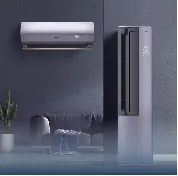
Let's be real – when that summer heat hits, your AC isn't just a luxury appliance, it's your personal hero. But not all heroes are created equal. A cheap, underperforming unit can leave you sweating both literally and figuratively when it breaks down or sends your energy bills through the roof.
After reviewing the latest models and technical specs (and surviving plenty of scorching summers myself), I've nailed down exactly what separates the top-tier performers from the "barely getting by" crowd. These are the features that'll actually make your life better:
1. The Brainy Stuff: Smart Controls
Gone are the days of fiddling with clunky thermostats. Modern high-end ACs are seriously smart:
-
App Control:
Seriously, change temperatures from your couch? Game-changer. Forget getting up when you're cozy under blankets
-
Learning Patterns:
My buddy's new unit actually figured out his schedule after a week. It pre-cools his place just before he gets home – no programming needed
-
Voice Control:
I know, it feels like sci-fi, but yelling "Alexa, cool the living room" never gets old
Why this matters:
The best units learn your habits and adjust automatically. Wasted energy drops to near zero.
2. Efficiency That Actually Saves Money
Look for that SEER2 rating – the higher the number, the less you'll curse when opening your utility bill:
-
SEER2 18+:
Bare minimum for newer units (but really, shoot for 20+)
-
Variable Speed Compressors:
Instead of turning ON/OFF like a light switch, these adjust continuously. Quieter and uses just what's needed
-
Eco-Friendly Refrigerants:
The new R-32 refrigerant cools 20% better than older types while cutting climate impact significantly
When you're looking at whole-house cooling, these
energy-efficient appliances
become essential.
3. More Than Cooling: Air Quality Game-Changers
Top units do way more than lower temperatures:
-
Advanced Filtration:
We're talking hospital-grade filters capturing particles down to 0.3 microns – pollen, dust, even some viruses
-
Humidity Control:
Some models pull up to 5 gallons of water daily from your air. Ever slept in a cool but sticky room? You'll never go back
-
Air Purifying Features:
Several premium models now include UV-C light technology that zaps mold and bacteria circulating in your ducts
4. Silence is Golden (Seriously)
Nobody wants a jet engine in their backyard:
-
Under 55dB:
Look for models below this threshold – about as loud as normal conversation
-
Sound Blanket Technology:
Some compressors come wrapped in noise-reducing insulation
-
Low-Vibration Mounts:
Prevents that annoying humming that travels through walls
I tested one that hit 48dB. Standing next to it felt like being near a quiet refrigerator.
5. Built to Last (Because Replacements Suck)
Three signs you're getting a durable unit:
-
Corrosion-Resistant Coils:
Coastal or humid areas? Aluminum or gold-finish coils survive salty air 3-5x longer
-
Compressor Warranty:
Don't settle for less than 10 years – the compressor is the heart of the system
-
All-Aluminum Wiring:
Cheaper copper-clad aluminum fails faster and causes more service calls
6. Types That Actually Fit Your Life
|
Type
|
Best For
|
Key Benefit
|
What's Changing in 2025
|
|
Central Systems
|
Whole-home cooling
|
Consistent temperature
|
Smaller footprints + better humidity control
|
|
Ductless Mini-Splits
|
Additions or older homes
|
Zoned cooling
|
30% smaller indoor units + smarter zoning
|
|
Window Units
|
Apartments or single rooms
|
Low cost
|
WiFi controls becoming standard
|
|
Portable ACs
|
Temporary spaces
|
No installation
|
Quieter operation + dual-hose models
|
7. Sizing: Why Getting It Right Matters
Bigger isn't better – an oversized AC causes as many problems as undersized:
-
The Short-Cycling Trap:
Units that turn on/off frequently never properly dehumidify. Your home feels clammy even at low temps
-
Manual J Calculation:
Insist on this – factors in your insulation, windows, even local weather patterns
-
1 Ton ≈ 12,000 BTU:
But require professional measurement – rule of thumb methods fail miserably
A neighbor recently upgraded to a properly sized Mitsubishi system – his energy use dropped 30% immediately.
8. Installation: Where Good Units Go to Die
Even the best AC becomes a lemon if installed poorly:
-
Proper Refrigerant Charge:
Within 1% of manufacturer specs or efficiency plummets
-
Ductwork Inspection:
Up to 30% of cooled air leaks through faulty ducts – seal before installing
-
Clearance Space:
Minimum 2 ft clearance around outdoor units – stuffed against walls kills airflow
Pro Tip:
Always get 3 quotes. Ask specifically about their sizing method and duct testing procedures.
9. Maintenance That Prevents Disaster
Treat your AC like a car – regular attention prevents breakdowns:
-
Monthly Filter Changes:
Clogged filters can increase energy use by 15% instantly
-
Annual Professional Tune-Up:
They find small issues before they become $600 repairs
-
Condensate Drain Check:
A backed-up line causes indoor flooding – worst surprise on vacation
-
Keep Plants Away:
No foliage within 3 feet of outdoor units
That "free maintenance" offer with installation? Usually worth it.
10. Real-World Investment
Let's talk dollars – because budgets are real:
|
Type
|
Typical Price Range
|
Installation Time
|
Payback Period
|
|
High-Efficiency Central AC
|
$4,800 - $7,500
|
1-2 days
|
5-7 years
|
|
Ductless Mini-Split
|
$3,000 - $5,000/zone
|
1 day/zone
|
4-6 years
|
|
Premium Window Unit
|
$600 - $900
|
30 min
|
Immediate savings
|
Don't forget rebates! Federal tax credits plus local utility incentives can slash 20-30% off upfront costs.
Final Thoughts: Your Comfort Checklist
When shopping, don't leave without confirming:
-
SEER2 rating of at least 18 (20+ preferred)
-
Variable speed compressor technology
-
Air filtration beyond basic mesh filters
-
10-year compressor warranty minimum
-
Professional load calculation performed
-
Current refrigerant type (R-32 or R-410A)
Whether you're replacing an aging system or cooling a new space, remember: quality air conditioning isn't just about beating the heat. It's about creating consistent comfort, breathing cleaner air, and avoiding those repair truck visits during peak summer. Do your homework, invest wisely, and stay cool out there.