
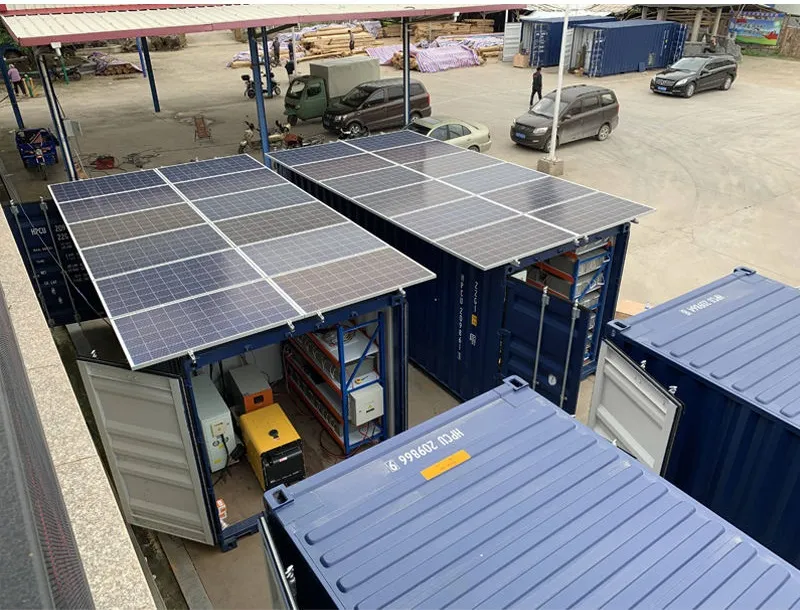
Choosing premium solar panels isn't just about cost—it's about understanding how engineering and materials translate to decades of reliable energy production. Let's explore what science reveals about truly great solar solutions.
Top-tier panels deliver on two crucial fronts: immediate power generation and long-term reliability. Premium cells don't just perform better on day one—they maintain that edge year after year.
While 22% efficiency sounds impressive, what matters is how that translates to real-world energy bills. Premium panels squeeze 15-20% more electricity from the same sunlight than budget options. That's like getting an extra month of free power every year!
Solar panels hate heat as much as we do. When temperatures climb past 77°F (25°C), efficiency drops. The best panels have temperature coefficients around -0.3%/°C—meaning they lose just 3% performance per 10° temperature increase, while cheaper options can lose 5% or more.
All panels lose efficiency over time, but quality makes a huge difference. Premium options degrade at just 0.3-0.5% per year versus 1% for budget models. After 25 years, that's the difference between still producing 85% of original output versus struggling to hit 75%.
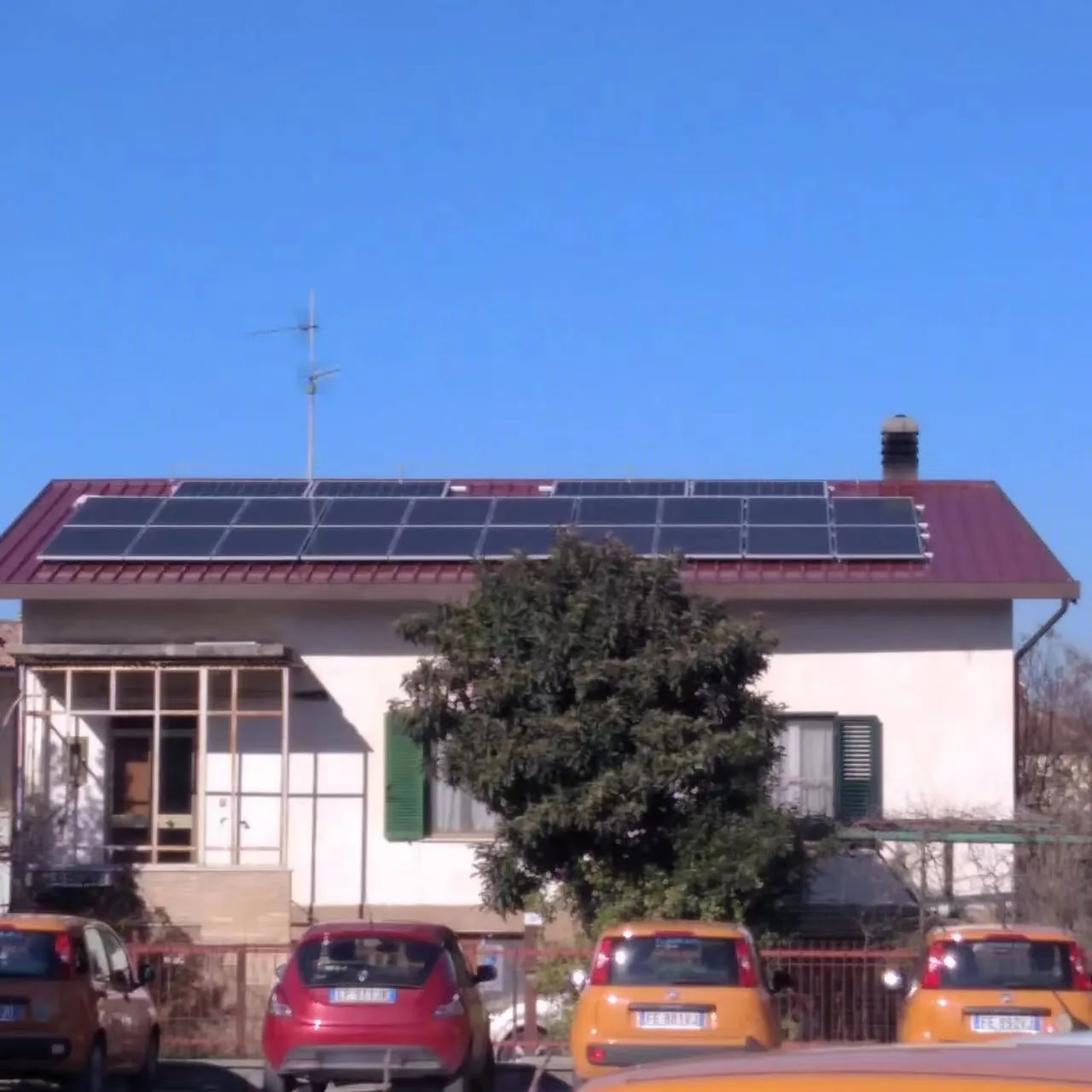
The hidden engineering behind solar panels determines whether they'll last decades or disappoint early:
| Component | Budget Panels | Premium Panels |
|---|---|---|
| Glass | 3mm standard glass | 4mm tempered glass with anti-reflective coating |
| Frame | Thin aluminum prone to warping | Anodized aluminum with reinforced corners |
| Sealing | Basic EVA encapsulation | Multi-layer encapsulation with UV inhibitors |
| Backsheet | Single-layer polymer | Triple-layer weatherproof barrier |
| Hail Rating | 1" at 50mph | 1.5" at 70mph+ |
Pro Tip: Press your finger against a premium panel's backsheet—it should feel like a high-quality rain jacket, not flimsy plastic. That weatherproof barrier prevents moisture damage that kills cheaper panels years early.
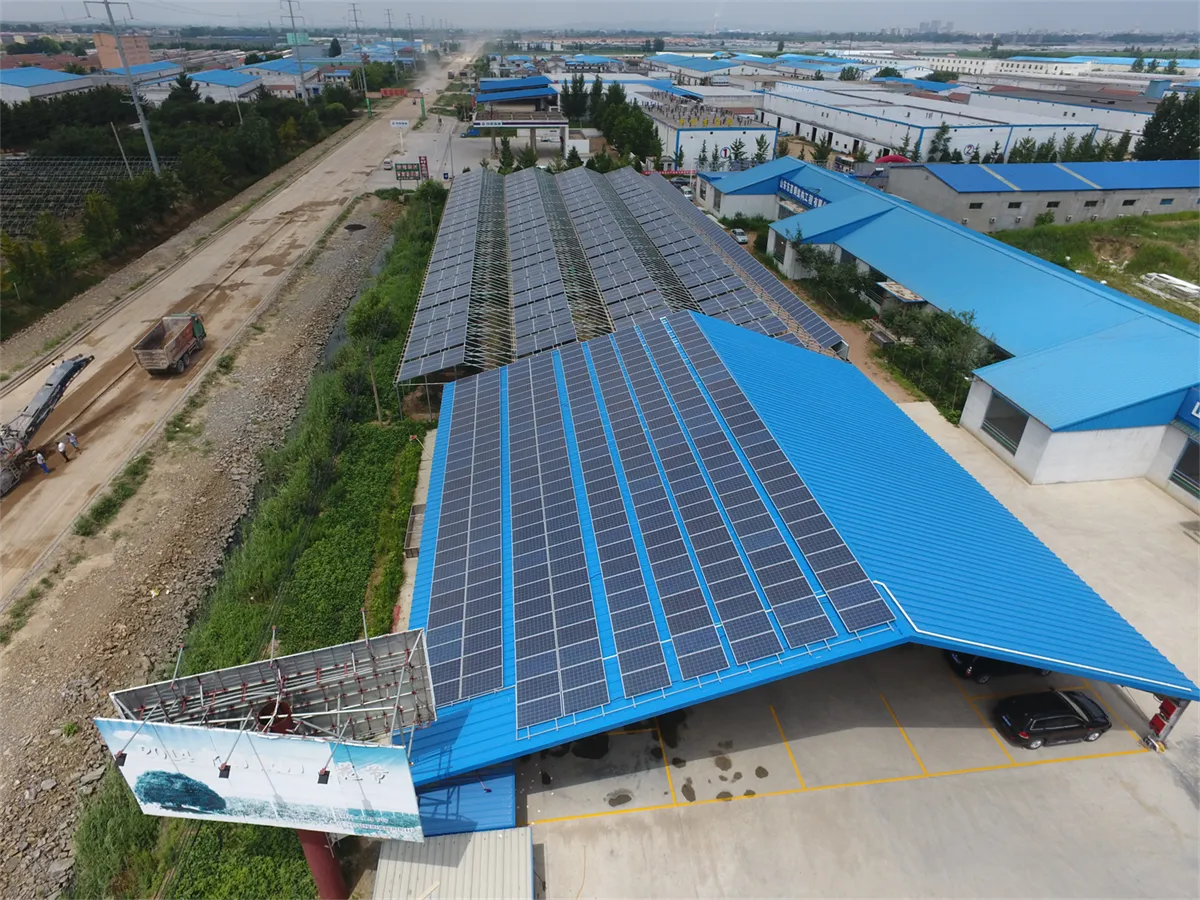
A solar warranty tells you everything about a manufacturer's confidence in their product. The best warranties don't just protect against defects—they guarantee performance.
Top-tier manufacturers offer 15-25 year coverage—long enough that they'll actually have to fix problems. Budget warranties often last just 5-10 years and contain more loopholes than protection.
The gold standard: 30-year, 80% output guarantees. If your premium panels produce less than promised, the company covers repair or replacement. This isn't charity—it's economic proof of durability.
Red Flag Alert: If labor costs aren't included in warranty service, you could face $1,000+ bills just to use your coverage. Premium manufacturers include "bumper-to-bumper" protection.
Certifications are like nutrition labels—they reveal what's inside the packaging. Knowing which matter separates marketing from true quality.
The industry's stress test—panels endure extreme temperature cycling, humidity exposure, and mechanical loading. This certification means they won't quit during your first serious storm.
Essential for coastal installations. Panels endure salt mist corrosion testing equivalent to decades of ocean exposure without performance loss.
Fire safety certification that actually matters—preventing electrical fires when installed near flammable materials. Non-negotiable for rooftop installations.
Beyond Certifications: Premium manufacturers often subject panels to harsher tests than required—like 100 freeze-thaw cycles instead of 10. Ask installers about brand-specific testing protocols.
Solar panels aren't purchased—they're invested in. Premium quality translates directly to financial benefits:
Better panels generate more kilowatt-hours daily. Over 25 years, this energy difference often covers the initial price premium several times over.
Higher efficiency means fewer panels to meet your energy needs—critical when roof space is limited. This saves installation costs and leaves room for future expansion.
Homes with premium solar systems sell 20% faster and for 3-4% more according to Zillow. Buyers recognize quality panels as valuable home infrastructure, not disposable tech.
Pro Tip: When comparing quotes, calculate dollars per watt ($/W) over the system's lifetime—not just installation cost. Premium panels often win this calculation despite higher upfront prices.
Investing in solar shouldn't feel like a gamble. High-quality panels deliver peace of mind through:
The extra investment today means decades of reliable, high-performance energy tomorrow. And isn't that what solar solutions should be about?
Recommend Products












