
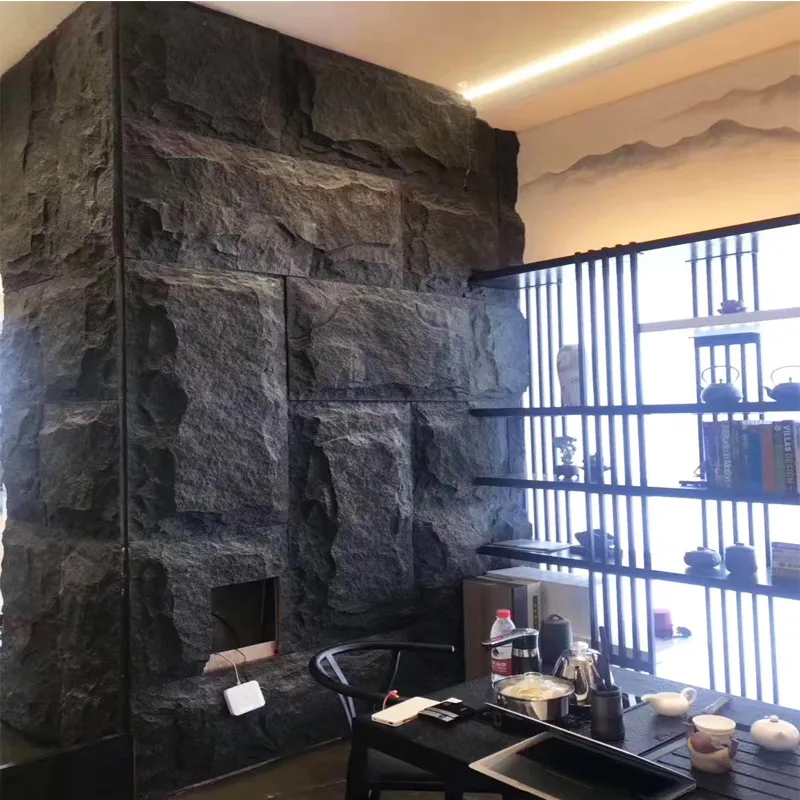
Have you ever run your fingers across a stone surface that made you stop and wonder? That slightly irregular texture, those organic undulations that feel like nature's fingerprint? That's the magic of mushroom stone – the humble material that bridges ancient craftsmanship with modern elegance. Forget sterile perfection; this is where buildings come alive with earthy personality.
Long before skyscrapers and smart homes, artisans were hand-chiseling what we now call mushroom stone. Picture Ming Dynasty craftsmen shaping slate with nothing but hammers and patience, creating surfaces that breathed character into temples and palaces. Fast-forward centuries, and we've traded hammers for diamond blades, but the soul remains the same – that beautiful marriage of human touch and geological wonder.
Unlike factory-stamped tiles, mushroom stone tells a visual story. Each "cap" reveals how stone behaves under pressure, showing subtle fractures and mineral veins unique to that slab. It's geology you can touch – tactile poetry written in metamorphic rock.
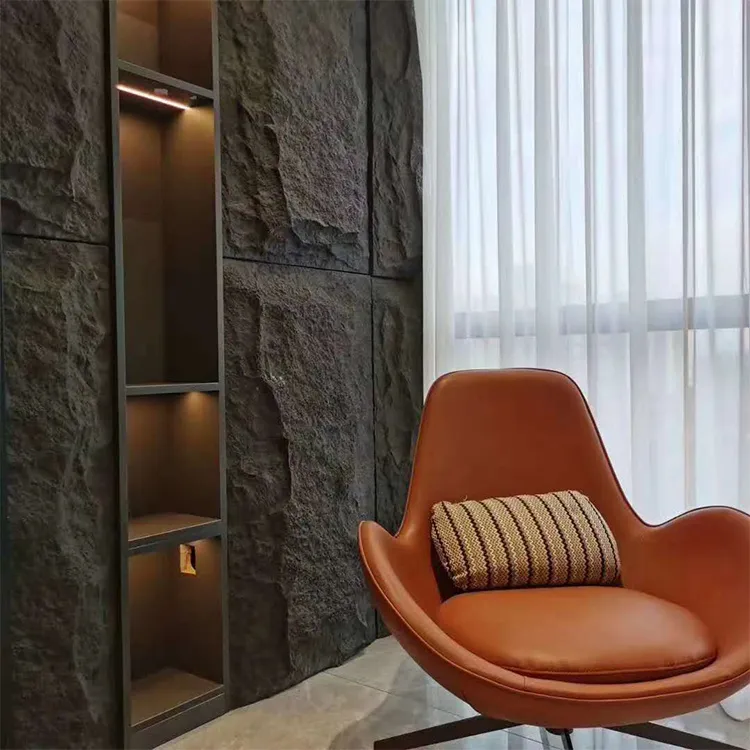
The journey begins with two geological heavyweights:
Think delicate beauty meets practical resilience. Slate mushroom stone is where artisans shine – literally. With each hammer strike against slate's fragile layers, they create frost-like fractures that scatter light like crushed diamonds. Since it flakes almost like pastry dough, most slate mushroom finishes remain handmade works of art. The unpredictable patterns? That's not inconsistency; it's nature's signature.
For spaces demanding toughness, granite steps in as the undisputed champion. Here's where technology partners with nature: diamond saws make surgical cuts before artisans chisel rugged "mushroom caps." Some factories even play matchmaker – chiseling both sides then cleaving stones down the middle like geological twins. It's this marriage of precision and artistry that lets granite mushroom surfaces withstand everything from salty sea air to ski-resort ice melt.
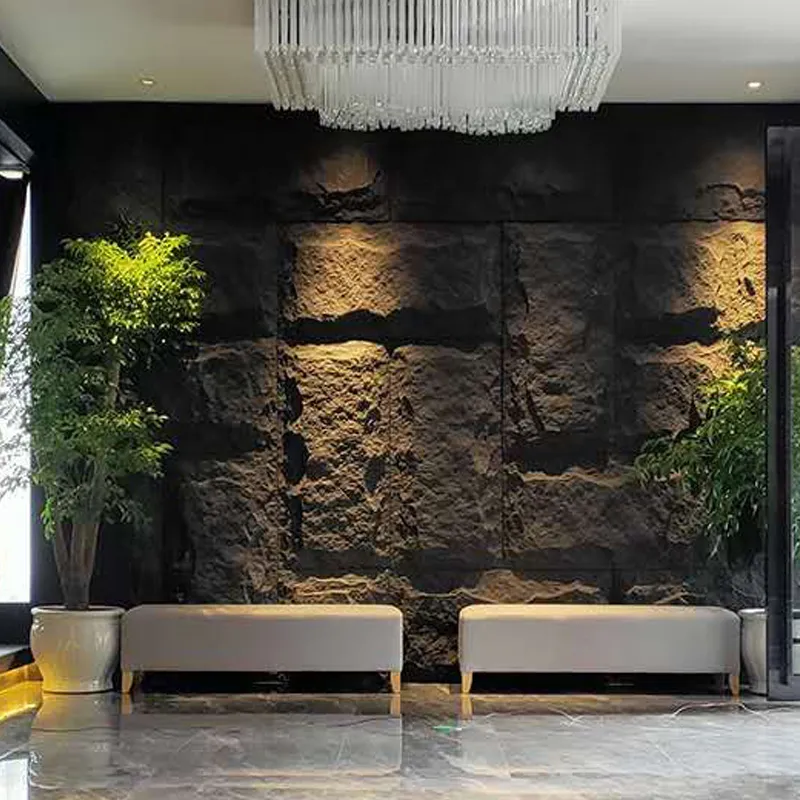
Beyond the obvious beauty, mushroom stone delivers practical superpowers:
While synthetics shout "eco-friendly," mushroom stone simply is. Zero manufacturing emissions beyond the initial shaping. Low radiation levels that couldn't disturb a sleeping cat. And when its centuries-long service ends? It crumbles back into harmless sediment.
That 3D texture does more than look pretty. As sun travels across a mushroom stone wall, deep crevices create dancing shadows while raised caps glow amber. It transforms a flat wall into a living canvas.
Rain isn't a foe; it's a free cleaner. Water sheets off mushroom stone's curved surfaces like mercury, carrying dirt with it. Those textured ridges? Natural drainage channels directing moisture away.
Weathered doesn't mean weak. Properly sealed mushroom stone laughs at scrapes, shrugs off UV rays, and treats freezing winters like a light massage. Install it well, and your great-grandkids might admire the same wall.
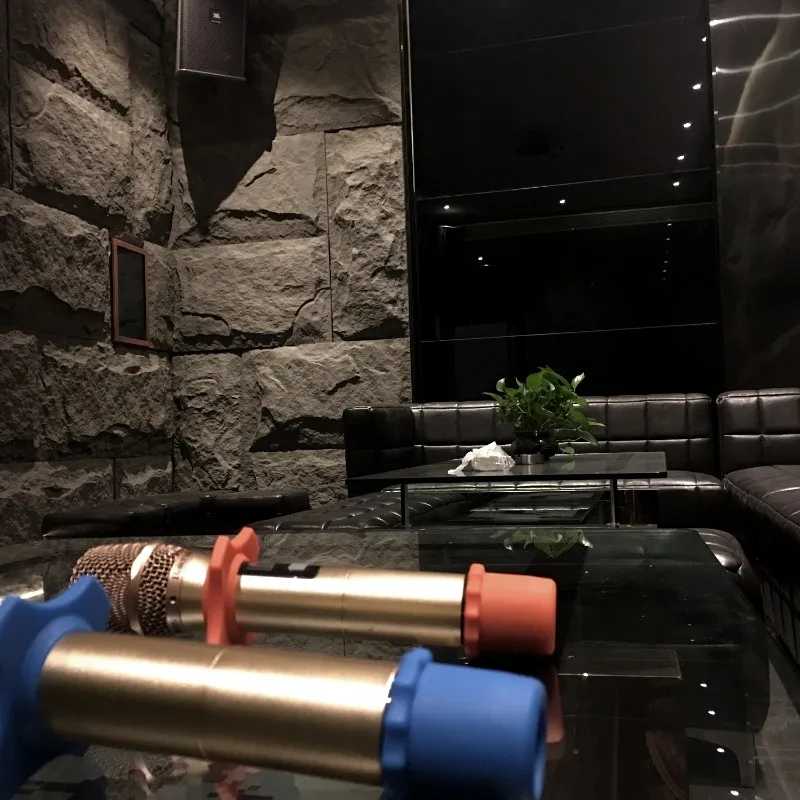
Transforming piles of stone into breathtaking walls is equal parts science and intuition. Here's how the pros create installations that last lifetimes:
Ever try painting on a dusty canvas? Doesn't work. That's why crews treat walls like surgical sites – power washing, scraping, sometimes even diamond-grinding surfaces. They're not cleaning; they're ensuring cement bonds like concrete lovers.
Like baking sourdough, mortar consistency is sacred. Too thin and stones sag like tired eyelids; too thick and bonding suffers. Masters mix to a peanut-butter-plus-cream-cheese consistency – thick enough to hold peaks but spreadable.
No two mushroom stones match. That's why installers "dry fit" like puzzle masters before glue touches wall. They orchestrate variations in size and cap height into visual rhythm, avoiding awkward seams near corners.
Apply mortar too thin and stones starve; too thick and it squishes out like toothpaste. The magic happens when pros "back-butter" each stone – swiping mortar onto its back like jam on toast before pressing into the wall bed.
This isn't filling gaps; it's framing artwork. Using concave tools, crafters shape joints with deliberate depth. Choices abound: sanded grout for durability? Pigmented epoxy for stain resistance? Each decision shapes character.
After grout firms up, wizards sweep soft brushes across surfaces, teasing away haze without scratching stones. It's not cleaning; it's unveiling the masterpiece beneath construction dust.
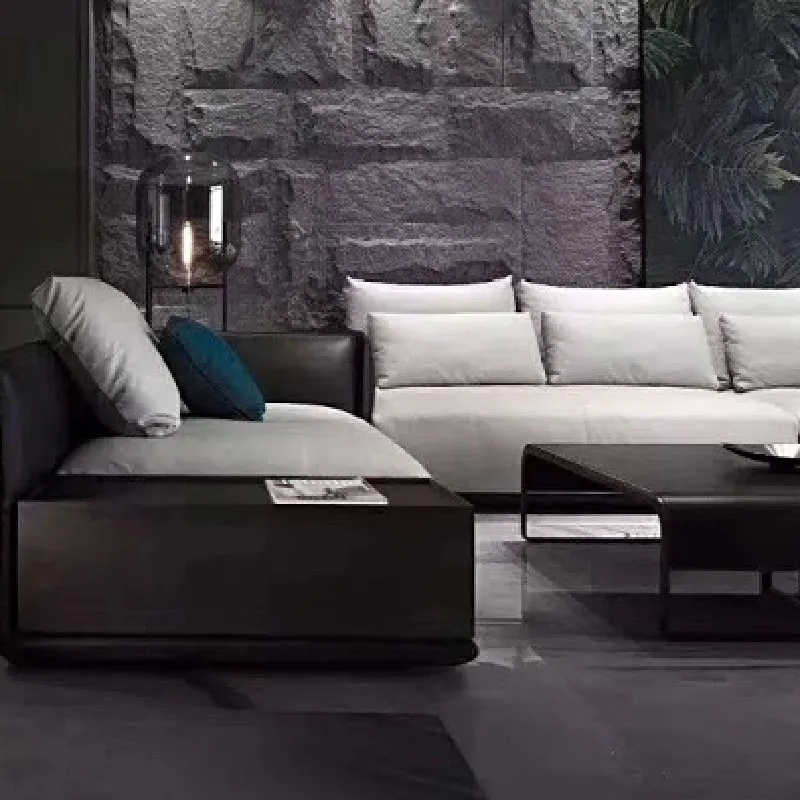
Columns: Wrap structural supports in mushroom stone and watch them transform into sculptural statements, especially under directional lighting where textures cast dramatic shadows.
Fireplaces: Hear the crackle from a hearth clad in mushroom slate? That's not just warmth; it's primal comfort. The irregular surface diffuses heat gently while hiding soot stains.
Poolsides: Wet bare feet on cool mushroom stone? Bliss. Its natural grip reduces slips, while mineral-rich materials resist chlorine corrosion.
In luxury spaces, designers are pairing mushroom stone with fireproof ceiling tiles to create organic-modern contrasts – rugged stone meets sleek overhead planes.
Think of mushroom stone like good leather shoes: neglect dulls it; thoughtful care deepens its character. Annual sealing with penetrating silicones creates an invisible shield, letting stone breathe while blocking stains. For cleaning? Ditch acidic formulas that eat stone – simple pH-neutral soap lets water do the work.
In our disposable age, mushroom stone is quietly rebellious. It doesn't try to be flawless – its beauty is in how it wears history. Each chip from a passing ladder? That's a story. Lichen in a crevice? A collaboration with nature. This is material with the rare ability to look more interesting with time, whispering of permanence in a temporary world.
The next time you see a mushroom stone wall glowing in golden hour light, pause. That's not just rock and mortar – it's geology, craftsmanship, and time fused into something extraordinary. That wall doesn't just stand; it speaks.
Recommend Products












