
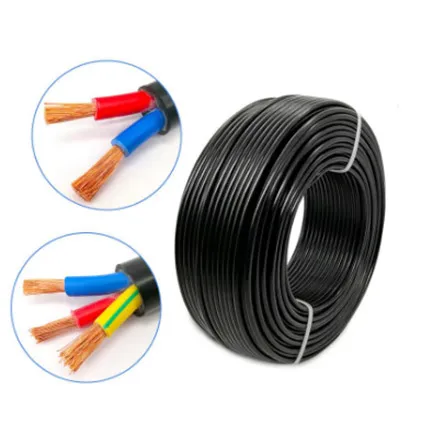
Discover how to spot top-tier wiring solutions that deliver safety, efficiency, and longevity in any electrical setup
Ever wonder why some electrical installations seem to last forever while others constantly need troubleshooting? It's not magic - it's quality cables doing the heavy lifting. Just like the veins in your body carry lifeblood, cables channel energy that powers our modern world. But not all cables are created equal. Let's peel back the insulation and discover what separates mediocre wiring from truly exceptional cable solutions.
Whether you're setting up a home theater, running industrial machinery, or installing solar panels, the wiring you choose matters more than you might realize. Quality cables aren't just about avoiding sparks and short circuits - they're about peace of mind, energy efficiency, and long-term savings. After all, skimping on cables is like building a luxury car with bicycle tires.
This is where the real magic happens - the conductor is that hidden hero silently carrying electricity from point A to point B. Think of it as the highway for electrons. When it comes to conductor materials, we've got two main contenders in the ring: copper and aluminum. Each brings its own strengths to the table.
Copper's like the star athlete of conductors - naturally gifted with properties that make it perfect for electrical work. Its electrons move freely with minimal resistance, meaning less energy gets wasted as heat. But what really sets copper apart is its toughness factor. Even in damp basements or humid garages, copper holds its own against corrosion like a champ. It's flexible without being flimsy, making installation smoother than butter. And let's not forget safety - that beautiful orange metal can handle serious electrical loads without breaking a sweat.
Aluminum plays the role of copper's scrappy younger cousin. It's significantly lighter and easier on the wallet, which makes it attractive for big projects. But aluminum needs special handling. Without proper treatment, it can oxidize and create resistance issues. That's why quality aluminum cables have anti-oxidation coatings and typically need larger gauges to carry the same current as copper. Smart installers use special connectors to create solid interfaces that prevent those infamous hotspots.
Insulation isn't just a plastic jacket - it's a sophisticated barrier system that keeps electricity where it belongs. Quality insulation shields against physical damage, environmental hazards, and prevents electrons from taking unauthorized detours. The insulation on premium cables goes above and beyond basic protection, delivering specialized defense tailored to specific environments.
Top-tier cables feature insulation designed to be:
Different situations call for different insulation types - you wouldn't wear snow boots to the beach. Industrial settings love XLPE (cross-linked polyethylene) for its toughness against heat and chemicals. Around your home, PVC insulation strikes a great balance between protection, flexibility, and cost. And for those high-performance applications? EPR (ethylene propylene rubber) delivers top-shelf protection for demanding environments.
The jacket is a cable's first line of defense - think of it as the outer armor plating. While insulation protects the wires from each other, the jacket shields everything from the outside world. Quality jackets come in various thicknesses tailored to their battle conditions. You'll find industrial-grade cables sporting thick, armor-like jackets while indoor cables wear lighter protection.
Beyond thickness, premium jackets add specialized reinforcements. Some contain UV inhibitors to withstand years in the sun. Others incorporate color stabilizers to prevent that faded, worn-out look. Tear-resistant formulas make accidental nicks and scrapes less likely during installation. And of course, all this protection should maintain flexibility - nobody wants stiff, difficult-to-manage cables that fight you every inch of the way.
Cable sizing isn't just about what fits - it's about safety and efficiency. Undersized cables turn into improvised heaters, while oversized ones waste money and space. The sweet spot? Choosing wiring that can comfortably handle your electrical load with room to spare. Remember, cable sizing follows the Goldilocks principle: not too small, not too large, but just right.
Understanding ampacity - the maximum current a cable can safely carry - is crucial. It's not just about what the cable claims, but what it can truly deliver in your specific environment. Quality cables come with clear ampacity ratings established under proper testing standards, not wishful manufacturer thinking.
Ever look at cable markings and feel like you're trying to decipher hieroglyphics? Premium cables make it easy with comprehensive, laser-printed labels that won't rub off. Legible text clearly indicates crucial details like wire gauge, voltage rating, insulation type, and temperature range.
Beyond text, top cables use intelligent color-coding to simplify identification. Standardized colors reduce installation mistakes - green for ground, white for neutral, and varied colors for different circuits. Smart labeling acts like a cable's instruction manual and safety documentation rolled into one.
Quality cables hit that sweet spot between rigidity and floppiness. They hold their shape when routed through walls yet bend smoothly around corners without kinking. Superior flexibility comes from three key elements: high strand count conductors that distribute bending stresses, specialized insulation formulations that remain supple in cold temperatures, and jacket materials designed for repeated flexing.
Consider the cable's intended home: permanent installations need less flexibility than extension cords that get coiled and uncoiled daily. Quality cable manufacturers understand this and design accordingly - one size does not fit all applications.
Cables live in wildly different climates - from freezing attics to toasty boiler rooms. Quality cables include temperature ratings in their specifications, telling you their safe operating range. High-temp cables use special materials that resist deterioration when things heat up. On the flip side, cold-rated cables maintain flexibility when temperatures plummet so you're not wrestling with stiff wiring in chilly conditions.
Water and electricity make terrible roommates. Quality cables use moisture-blocking construction like dense rubber compounds and extruded jackets with minimal seams. For outdoor use or wet locations, premium cables feature water-blocking technology - either powder-like compounds that swell when wet or special tapes that create hydration barriers.
Industrial environments expose cables to harsh chemicals and rough handling. Quality cables use jackets specifically formulated to resist oils, solvents, acids, and alkalis. For physical protection, superior cables incorporate reinforcement like nylon overcoats or braided shields that protect against scrapes, cuts, and crushing forces. These industrial warriors can take a beating and keep on conducting.
When cable makers mention standards compliance, they're not just dropping jargon - they're showing you their homework. Top certifications like UL (Underwriters Laboratories), IEC (International Electrotechnical Commission), and CE (Conformité Européenne) represent independent verification that cables meet strict safety benchmarks.
Beyond basic safety, industry-specific certifications target unique needs. Plenum-rated cables meet stringent fire-safety rules for air-handling spaces. Direct-burial rated cables survive underground installation. Solar cables carry specialized UV and temperature ratings. Quality cables proudly display these certifications because they've earned them through rigorous testing.
Reputable manufacturers don't hide behind vague claims. They provide detailed specifications including conductor composition, exact dimensions, precise electrical characteristics, and certified testing results. This transparency helps professionals match cables precisely to project requirements.
Choosing quality cables isn't just a technical decision - it's an investment in peace of mind. Like quality plumbing ensures you don't come home to a flooded basement, quality cables prevent electrical nightmares. Yes, premium wires might cost a little more upfront, but they pay you back through decades of reliable service, energy savings, and avoided repair bills.
Whether you're dealing with power cables in heavy machinery or control cables in delicate electronics, never underestimate the importance of quality wiring. The difference between ordinary and exceptional cables ultimately boils down to three fundamentals: superior materials engineered to perfection, meticulous manufacturing that ensures consistency, and comprehensive testing that validates performance. It's this combination that truly delivers a cable you can trust.
So next time you're selecting wiring, look beyond the price tag and pretty packaging. Check those specs, verify those certifications, and consider the environment where your cables will live. Because when the lights stay on, your gear performs flawlessly, and you never worry about electrical gremlins - that's the quiet victory of choosing truly great cables.
Recommend Products












