


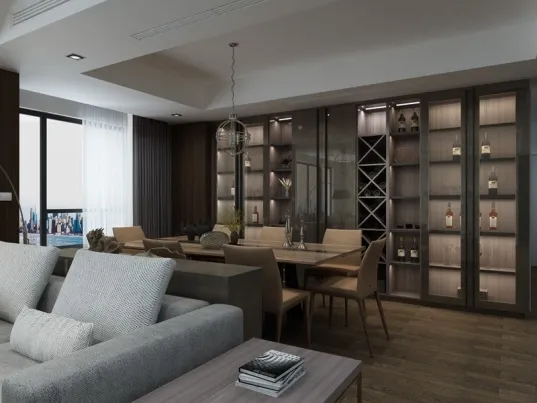
Transform your basement into an envy-inducing wine sanctuary
Picture this: after a long day, you descend into your basement, the soft glow of recessed lighting guiding you toward a temperature-controlled haven where your favorite vintages await. No fancy restaurant reservations needed – your personal wine oasis is right at home. Forget cobweb-covered storage corners; today's basements are evolving into luxurious extensions of our living spaces, and installing a wine cabinet is the crowning touch for oenophiles and entertainers alike.
Why Your Basement is Nature's Perfect Cellar
The Underground Advantage
Basements naturally maintain cooler, more stable temperatures than above-ground rooms – precisely what wines need for proper aging. While traditional wine cellars required expensive construction, modern wine cabinets leverage this built-in climate control. Think of your basement as nature's insulation jacket!
Humidity Harmony
Unlike arid main floors, basements typically maintain higher humidity levels around 50-70% – the sweet spot that prevents corks from drying out. While modern wine cabinets manage humidity internally, your basement's naturally moist environment reduces the energy needed for humidity control systems.
Blueprinting Your Liquid Luxury: Planning Essentials
Location Scouting: Identify basement areas away from heat sources like furnaces or water heaters. Ideal placement is near interior basement walls where temperature fluctuations are minimal.
Flood-Proofing First: Before installing cabinetry, ensure proper drainage and waterproofing. French drains or sump pumps are basement wine sanctuary insurance policies.
Navigating the Wine Cabinet Jungle
Freestanding Units: Plug-and-Play Perfection
The easiest entry point – simply position, plug in, and start loading bottles. These come in capacities from 50 to 500+ bottles with features like dual temperature zones. Pro tip: measure your staircase first! Many homeowners get surprised when their dream cabinet won't fit down the stairs.
Custom Built-Ins: Sommelier-Grade Storage
For serious collectors, nothing beats custom cabinetry designed specifically for your space. Incorporate architectural details like arched entryways or reclaimed wood accents alongside specialized wine storage components. This approach transforms ordinary custom furniture into functional artistry that preserves your investment for decades.
Installation Deep Dive: DIY or Pro?
The DIY Approach
For freestanding units, installation is often manageable: level flooring (use shims if needed), dedicated 20-amp circuit, and proper clearance for ventilation. The main challenge? Getting bulky units down narrow staircases – rental equipment like stair-climbing dollies prevents disaster.
Professional Installation
Custom installations warrant expert help. Expect contractors to handle: structural assessment of flooring, vapor barrier installation, electrical upgrades, and precision cabinet fitting. Pros manage complex details like minimizing vibration from appliances or creating seamless integration with existing interior and exterior decoration materials.
Elevating Your Experience: Must-Have Accessories
- UV-Filtered Glass Doors: Protect wines from light exposure while showcasing your collection.
- Integrated Inventory Systems: Smart tech that catalogs your bottles via apps.
- Decanting Stations: Pull-out shelves perfect for entertaining.
Preserving Your Paradise: Care Essentials
Unlike passive cellars, wine cabinets need regular attention. Clean condenser coils quarterly to maintain efficiency. Monitor humidity levels seasonally – winter heating dries air dramatically. Use non-abrasive cleaning methods for cabinet exteriors to prevent damage to architectural decorative stone finishes.










