
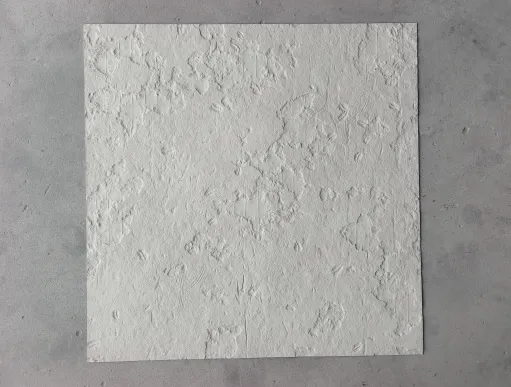
Imagine stepping into a luxurious Bali villa where your bare feet meet cool, natural stone that seems to whisper stories of ancient volcanoes and ocean currents. That's the magic of Bali stone – it's not just building material, it's architectural soul forged by nature. In 2025, as sustainable architecture becomes non-negotiable, Bali's stones have emerged as the darlings of designers and homeowners alike. They're not just surfaces; they're conversation starters that blur the lines between indoor sanctuaries and tropical paradise.
I've walked on these stones in hundred-year-old temples and modern infinity pools, and I'll tell you this – they age like fine wine. While trendy materials come and go, Bali's volcanic treasures remain timeless. They're the quiet backbone of Bali's architectural identity, transforming spaces from merely beautiful to profoundly grounding. Whether it's the jade-green Sukabumi making pool waters glow like liquid emerald or the rugged poetry of lava stone underfoot, these materials don't just occupy space – they create experiences.
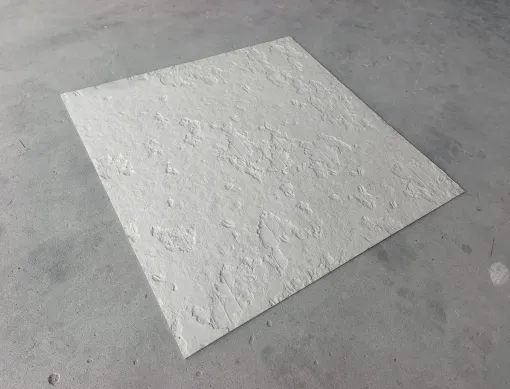
Let's start with the rockstar of Bali stones – Sukabumi Green. Picture this: you're lounging by a pool where the water shimmers with an impossible turquoise glow, almost like you've dropped into a Caribbean postcard. That's the Sukabumi effect. This aquatic marvel gets its signature color from copper deposits absorbed during formation, making every pool installation a unique work of art.
Designer Tip: For stunning visual impact, pair Sukabumi pool tiles with White Palimanan coping stones. The contrast creates a "turquoise river on marble banks" effect that photographers adore. Architects are increasingly using this combination in high-end resorts and private villas.
What really excites me about Sukabumi in 2025 is the innovation in finishes. The new micro-grooved texture prevents algae buildup while maintaining that silky underwater feel against your feet. And ecologically? It's a winner. Sukabumi doesn't require toxic sealants like many artificial pool liners do, keeping both your conscience and the reef systems happy.
There's something primal about stepping onto Bali's lava stone – it feels like walking on the island's very skeleton. Created when scorching lava met ocean waters, this stone isn't just tough; it's practically immortal. Architects love it for its thermal secret: it stays cool even under blazing tropical sun, a trick I wish more materials could master.
| Application | Best Finish | 2025 Pricing (per m²) |
|---|---|---|
| Pool Decks | Honed Bush Hammered | $35-50 |
| Exterior Walls | Rough Face Random | $30-45 |
| Indoor Feature Walls | Polished Black Lava | $75-95 |
| Garden Pathways | Sawn Cut Natural | $25-40 |
Recently at a Ubud villa, I ran my hand across a lava stone wall that had weathered five monsoons. Not a crack, not a blemish – just richer character and deeper charcoal tones. Maintenance? Nearly non-existent. The stone's neutral pH creates an environment where mold gives up and algae checks out. For modern organic designs, it's become the textural anchor that grounds airy bamboo structures to the earth.
Palimanan is Bali's shape-shifter – whether creamy white, buttery yellow, or warm caramel, it brings Mediterranean elegance to tropical settings. Unlike moody stones that demand center stage, Palimanan is the sophisticated supporting actor that makes everything around it look better.
Watching artisans hand-carve Palimanan is witnessing pure artistry. Last month, I saw a master carver transform a bland pillar into a tapestry of lotus blooms and temple motifs. At $25-$55/hour for such craftsmanship, it's an investment that pays in cultural authenticity. And here's something exciting: contemporary kitchens are embracing honed Palimanan countertops as the anti-granite movement gains steam.
For your outdoor kitchen, **sustainable building materials** like Palimanan not only resist heat beautifully but develop a honeyed patina that synthetic alternatives can only imitate poorly.
Let's talk about workhorses with soul. Andesite – the gray powerhouse beneath your feet at iconic resorts – carries volcanic DNA that laughs at monsoons. Its secret? Microscopic air pockets act like armor against temperature tantrums. Meanwhile, Kerobokan stone whispers ancient stories through fossilized shells and seabed patterns frozen in time.
Installation Insight: When using Kerobokan in high-traffic areas, choose 3cm thickness minimum. That extra millimeter prevents hairline cracks and ensures decades of service. For modern applications, pair it with black steel framing in a conversation between raw and refined.
Gray Andesite: Standard Finish: $25-40/m² • Thermal-Honed™ Surface: +$12/m²
Kerobokan Sandstone: Wall Cladding: $35-60/m² • Custom Carvings: $100-180/m²
Stone isn't just stacking rocks anymore; it's strategic architectural solution for climate resilience. Demand for Bali's stones has grown 40% since 2023, making early planning essential. Production innovations like waterless processing reduced ecological footprints by 30%, while new resin treatments for historic palaces suggest exciting preservation possibilities.
| Stone Type | Current Trend | 2025 Forecast | Value Retention |
|---|---|---|---|
| Sukabumi Green | Premium Pool Standard | +12% demand growth | 95% over 10 yrs |
| Lava Stone | Biophilic Design Anchor | Thermal-tech focus | 90% over 10 yrs |
| White Palimanan | Minimalist Essential | Anti-microbial R&D | 88% over 10 yrs |
| Kerobokan | Heritage Revival Star | Custom Carving Boom | 85% over 10 yrs |
Shipping factors will impact your budget – container rates fluctuating between $2,800-$4,200 from Bali to major ports. Smart buyers are pooling orders with neighbors for volume discounts. Factor in 12-16 weeks lead time; quality stone refuses to be rushed.
Choosing Bali stone is like casting characters for your architectural story. The fiery lava stone protagonist? The serene Palimanan foil? Watching sunlight dance across these materials creates experiences no app can replicate. Recently, a client described how her Sukabumi-tiled pool became the neighborhood's evening gathering spot – "like liquid joy" she called it.
As Bali's artisans preserve centuries-old carving traditions while adopting digital templating, what emerges is the best of both worlds. Your stone journey should balance sample viewing (texture tells secrets photos hide) with trusting the material's inherent wisdom. These stones survived volcanoes; they'll handle your pool parties just fine.
Final Thought: In our climate-critical world, choosing stone isn't just aesthetic – it's environmental stewardship. Unlike resource-greedy alternatives, Bali stones require minimal processing and become more beautiful with time, honoring both your design vision and the island that inspired it.
Recommend Products












