


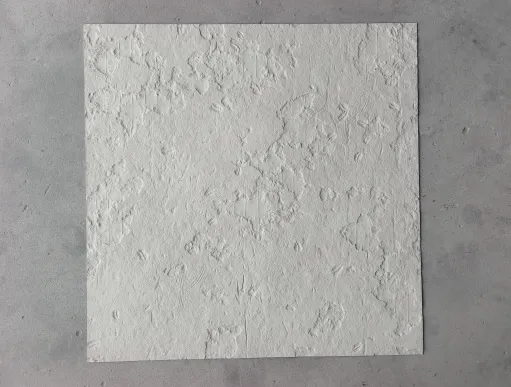
Why Bali Stone Needs Special Care
That gorgeous natural stone that makes your floors or walls look like a tropical paradise? It's more sensitive than it appears. Bali stone isn't just a building material - it's a breathing, porous surface that reacts to everything it encounters. From that morning coffee spill to tracked-in garden soil, every interaction leaves a memory in its surface.
Quick Reality Check
The second you install natural stone, you sign up for an ongoing relationship. Unlike ceramic tiles that laugh off spills, Bali stone absorbs liquids like a sponge. That beautiful variation in color and texture? That's thousands of tiny pores just waiting to trap dirt, oils, and stains.
We often think of stone as indestructible, but remember - this material came from riverbeds and quarries, not laboratories. Every vein, fleck, and color variation represents different mineral compositions that react differently to cleaning methods. That gorgeous green Sukabumi stone everyone loves? It's particularly notorious for developing yellowish oxidation when exposed to air and moisture.
But don't panic! With the residential and commercial building materials knowledge we'll cover in this guide, you'll learn how to handle these challenges like a pro. Understanding stone's nature is the first step to outsmarting its vulnerabilities.
Your Daily Defense Against Dust
Why Dry Methods Win
Picture this: you're sweeping and see a dusty patch. Instinct says "I'll mop that!" Resist the urge! Adding water to dust creates microscopic mud puddles that seep into pores. Instead:
The Triple Defense Strategy:
- Microfiber Mop Magic: Use electrostatic mop heads that lift rather than push dust. Do overlapping "S" patterns starting from room corners
- Vacuum Tactics: Disable brush rolls that can scratch. Use hard floor attachments with felt guards
- Terry Cloth Finale: Once weekly, walk backward while dragging a damp terry cloth towel under both feet
Fun experiment: Wipe a section with a white cloth after you think it's clean. You'll likely reveal hidden dirt that would eventually cause etching or discoloration. Dust isn't just ugly - it's abrasive enough to wear down stone sealants over time.
Stain Prevention Playbook
The Stain Personality Matrix
Not all stains are created equal. They're like uninvited party guests - some leave quietly, others need forceful removal. Here's what actually works:
Organic Stains (Coffee, Food, Nature)
These protein-based invaders need alkaline warriors. FilaPS87 isn't just cleaner - it uses micro-emulsion technology to lift rather than scrub stains. How to apply: Mix 1:5 with warm (never hot!) water. Apply like a face mask: thick layer, plastic wrap coverage, 4-hour rest before gentle removal.
Inorganic Stains (Metal, Minerals, Construction)
Rust rings? Cement splatter? Mineral deposits? Acid-based Deterdek cuts through these. Crucial note: Apply only to wet stone to prevent chemical dehydration. Work in 2x2 ft sections, timing each patch precisely. Overexposure is worse than the stain!
The moment disaster strikes:
| Spill Type | First 30 Seconds | After Set-In |
|---|---|---|
| Red Wine/Oils | Cornstarch volcano technique | Hydrogen peroxide poultice |
| Cosmetics/Nail Polish | Blotting never rubbing! | Acetone sparingly on cotton ball |
Remember - panic causes scrubbing. Scrubbing grinds particles deeper. Every stain removal is archaeology, not demolition!
Advanced Defense Systems
Sealers: Your Invisible Armor
"Wet look" vs. "Natural look" sealants aren't just about appearance - they have functional differences:
Wet Look Sealers:
- Creates dramatic color enhancement
- Thicker coating = better protection
- Requires reapplication every 9-12 months
Natural Look Sealers:
- Preserves original stone appearance
- Penetrates deeper into stone matrix
- Lasts 2-3 years with proper care
Application pro tip: Before sealing, perform the water test. Sprinkle water on stone. If it darkens immediately and takes >5 minutes to lighten, sealing is overdue. Apply sealant in crosshatch patterns using foam applicators - never spray directly!
Zone Defense Strategy
Not all areas face equal threats:
| High-Risk Zone | Protection Protocol |
|---|---|
| Entryways | 30"x60" commercial-grade mats with rubber backing |
| Kitchen perimeter | Clear vinyl runner from counter edge to cabinet |
| Bathroom walls | Water-repellent transparent coating (reapply quarterly) |
This strategic approach lets you focus efforts where damage occurs fastest without over-treating low-risk zones.
Special Challenge: The Yellowing Mystery
That beautiful green Sukabumi stone developing yellow patches? It's not your fault - it's oxidation chemistry in action. Here's what happens beneath the surface:
Reviving Green Sukabumi
Mix FilaPS87 with water 1:5 ratio. But here's the game changer - don't use scrub brushes! Instead, wrap a wood stirring stick in several layers of cheesecloth to create a friction applicator. The fibers get into pits without abrasion. Apply circular motion with minimal pressure for exactly 2 minutes per sq ft.
Prevention technique: After treating, apply specialized antioxidant stone sealer containing BHT (butylated hydroxytoluene). This molecular barrier blocks oxygen molecules from bonding with iron compounds in the stone. Reapply every 4 months in wet environments.
For persistent cases: Create a baking soda paste with just enough 3% hydrogen peroxide to make toothpaste consistency. Apply thick layer overnight under plastic wrap. This oxidative counter-treatment often breaks the bond causing discoloration.
Tools That Make or Break Your Stone
Your cleaning arsenal matters more than you think. That cute microfiber mop from the supermarket? Might be destroying your sealer. Here's the breakdown:
The Holy Trinity
- Microfiber Requirements: 350+ GSM weight, split fiber construction
- Cleaning Solution Dispensers: Dial-controlled spray bottles preventing overwetting
- Professional Extraction Machines: Wet/dry vacs with specialized stone floor attachment
Surprisingly destructive tools to avoid:
| Tool | Why Problematic | Alternative |
|---|---|---|
| Steam Mops | Heat degrades sealers | Cool-mist spray systems |
| Rotary Scrubbers | Uneven pressure etching | Oscillating head machines |
| Scratch Pads | Creates microscopic valleys trapping dirt | Nylon-bristle detail brushes |
Transforming Maintenance from Chore to Ritual
Think of Bali stone care not as housework, but as preserving natural art. When we rush through cleaning, we miss the subtle changes indicating developing issues. Instead:
The Mindful Maintenance Method
- Weekly "barefoot inspection": Walk slowly feeling for texture changes
- Three-point lighting: Examine surfaces from oblique angles revealing etching
- Scheduled pampering: Quarterly deep treatments with quality architectural façade solutions care products
Create a stone care journal documenting treatments and reactions. Note patterns - that corner where water beads less might need resealing. The entryway developing dullness may require different cleaning frequency. This stone communicates; we just need to learn its language.
Remember, Bali stone ages beautifully with proper care. Years from now, your maintained stone will have richer character while neglected stone turns patchy and worn. Like caring for a living thing, proper maintenance creates timeless beauty.










