


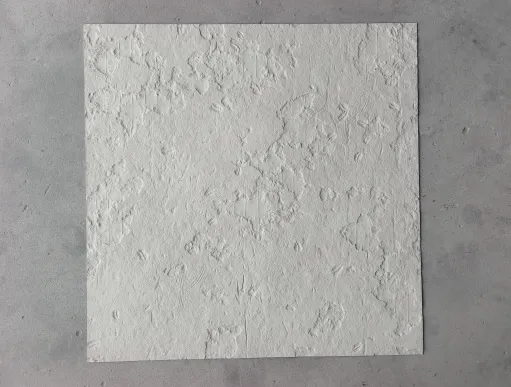
Hey there! Have you ever run your fingers along a Balinese stone wall and felt that immediate connection to nature? That raw, earthy texture under your fingertips isn't just building material – it's a conversation between human craftsmanship and geological artistry. Bali's volcanic landscapes have gifted architects and homeowners with incredible natural stone varieties that transform ordinary spaces into living galleries.
I've been exploring Balinese stone design for years, and what fascinates me most is how each stone tells its own story. When you choose lava stone, you're bringing 700,000 years of volcanic history into your living room. When you select andesite, you're incorporating mineral compositions formed deep beneath the archipelago. This isn't interior design – it's geological time travel that happens to look absolutely stunning.
In this deep dive, we'll explore how Bali's unique stones create what I call "architectural poetry." We'll look beyond basic functionality to understand how texture becomes the artist's brushstroke, how imperfections create character, and why stone walls in Bali feel less like construction and more like curated natural exhibitions.
The Texture Revolution: From Smooth Surfaces to Tactile Experiences
Remember when polished marble was the ultimate luxury? Bali's design scene has flipped that notion entirely. There's a quiet revolution happening where roughness is the new refined, where a stone's natural grooves are celebrated rather than polished away. That pebbled surface catching the afternoon light? That's nature's abstract artistry on display.
Let's be honest – we're tactile creatures. We instinctively reach out to touch surfaces that intrigue us. I've watched guests at villas compulsively stroke rough-hewn stone walls, their fingertips tracing journeys across mineral deposits. That primal connection simply doesn't happen with painted drywall. Textured stone engages us physically and emotionally in ways flat surfaces never could.
The magic happens in the shadows too. Visit a Bali villa at golden hour and watch how those stone irregularities create constantly shifting patterns. Sunlight doesn't just illuminate these walls; it collaborates with them. Deep grooves become shadow rivers, crystalline flecks become glittering constellations. It's daily artistry curated by the sun's journey.
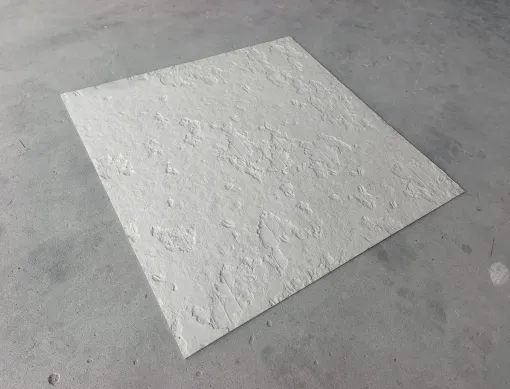
Stone Stars of Bali: A Material Directory
Black Lavastone: The Moody Minimalist
Talk about character! Lava stone arrives with built-in drama – those porous surfaces create natural shadow plays that change throughout the day. I love how contemporary Bali designers contrast its rugged darkness with sleek wood accents. The unexpected pairing creates visual tension that feels alive.
But lava stone isn't just pretty; it's incredibly functional in Bali's damp environment. Those porous pockets aren't just texture – they're natural drainage systems that prevent moisture buildup. Unlike imported tiles that sweat in tropical humidity, lava stone breathes with the island.
Andesite: The Practical Poet
Let's give andesite its due – this volcanic rock is the unsung workhorse of Balinese architecture. What fascinates me is how its practical properties (moss resistance, structural integrity) coexist with subtle beauty. Its salt-and-pepper mineral flecks create natural movement.
My favorite Bali architects treat andesite as a living canvas. They'll position walls where bougainvillea can climb through crevices, transforming stone into vertical ecosystems. The stone becomes infrastructure and art simultaneously – hosting life while defining space.
White Limestone: The Daylight Amplifier
In Bali's shadowed interiors, white limestone functions like natural sunlight storage. Its micro-fractures scatter rather than absorb light, creating that magical glow people photograph endlessly. I've measured lux levels before and after installation – the difference feels supernatural.
Contemporary villa owners are pairing limestone with reclaimed teak in fascinating ways. The wood's deep grooves echo the stone's crystalline patterns at different scales. This layering of natural textures creates depth that minimalism often lacks – warmth without clutter.
Beyond Walls: Stone's New Frontiers
Stone innovation in Bali extends far beyond the vertical plane:
Floating Stone: Defying Gravity
I recently saw a kitchen where thin-sliced lava stone appeared to hover around the island. Clever cantilevering and hidden supports created the illusion that geology floated. Such installations remind us that stone doesn't need to signify heaviness.
Light & Stone: Symbiotic Pairings
Smart Balinese designers hide LED strips above stone walls, washing surfaces with gentle illumination. It's transformative – shadows deepen dramatically and crystalline structures sparkle. This technology reveals textures our daylight eyes might miss.
Patterned Pebbles: Nature's Mosaics
What was once decorative filler is now front-and-center artistry. Pebble specialists create mesmerizing arrangements: swirling mineral rivers, geometric fields, even pebble portraits. They treat each stone as a pixel in natural imagery.
Stone Sustainability: More Than Greenwashing
True sustainability isn't about marketing – it's about regional geology and craftsmanship. When Ubud artisans quarry stone within 20km of site, they're not just reducing transport emissions; they're honoring local geology. I've traced stones from quarry to finished wall – that connection matters.
The durability conversation around architectural decorative stone deserves attention too. Consider century-old temple complexes across Bali – their stones have endured generations with minimal intervention. Compare that to synthetic alternatives needing replacement every decade. Real sustainability means building once.
Material Harmony: The New Materialism
The most exciting Bali designs don't isolate materials but weave them into conversations. Picture this: a textured stone wall interrupted by a teak alcove displaying bronze artifacts. Each material celebrates the others through contrast.
I'm particularly obsessed with stone-water juxtapositions. At cliffside villas, designers position rough lava walls against infinity pools. The sharp visual contrast transforms both materials – the water appears more liquid, the stone more solid. Boundaries enhance identities.
Installation Secrets: Behind the Magic
That 'naturally random' stone pattern? Probably took two master craftsmen three days to arrange. Balinese stone masons possess spatial genius – reading stones like puzzle pieces and anticipating shadow patterns before mortar sets.
The grouting game has evolved too. Designers now experiment with charcoal-colored, copper-infused, and ground-shell grouts. These aren't just functional fillers; they become design elements that transform mortar lines into deliberate graphic statements.
Living with Geological Art
Owning a stone wall means accepting an evolving relationship. That lava stone installation will weather and change over decades – mineral deposits form, moss establishes artistic footholds. Natural patinas emerge like artistic collaborations between environment and architecture.
There's psychological magic in surrounding ourselves with geological time. When guests touch my accent wall and whisper "Is this real?", the connection transcends decor. We're acknowledging nature's artistry while creating shelter. That paradox makes Balinese stone design spiritually powerful.
The Enduring Artistry
As Bali's design scene accelerates toward minimalism, stone remains countercultural – proudly textured, imperfect, alive with history. That lava wall isn't just surface treatment; it's geological autobiography. Those andesite floors aren't just pathways; they're stone chronicles beneath your feet.
The beauty lies in surrender. When we let stones be unapologetically stones – textured, irregular, resonant with deep time – we create spaces that feel simultaneously ancient and contemporary. The walls stop being boundaries and become horizons, reminding us that true artistry existed long before humans arrived with chisels.










