
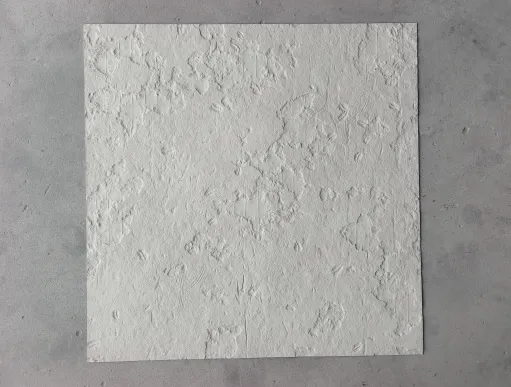
Imagine transforming a dull wall into a mesmerizing textural masterpiece that whispers stories of ancient volcanic landscapes. That's the magic of Bali stone – this incredible natural material has become the darling of designers worldwide for its rugged beauty and unique character. But creating that perfect Bali stone wall isn't just about slapping rocks together. Let's dive into the art and science behind crafting these stunning feature walls while paying special attention to the make-or-break technique of texture splicing.
What makes Bali stone so special? Born from the island's volcanic history, each piece has lived a life – weathered by tropical storms, sculpted by time, carrying unique mineral patterns you won't find anywhere else. Unlike uniform factory tiles, Bali stone celebrates imperfections. Those "flaws"? They're actually design features that create walls pulsing with energy and movement.
Pro Insight: The best Bali stone installations work with nature rather than against it. We're not creating sterile showroom displays but capturing the wild spirit of Bali itself.
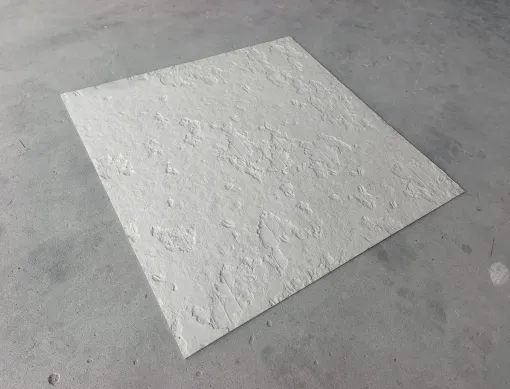
This is where the magic begins. You're not just buying stone – you're curating personalities. Watch for:
Ever seen Bali stone start sagging or cracking after a year? Blame poor prep. Here's the non-negotiable checklist:
This is where art meets engineering. The golden rules:
Remember those environmentally friendly building materials we mentioned? Choosing low-VOC adhesives and natural stone qualifies your project for green building credits – a win that looks good and does good.
Grout isn't just filler – it's the frame for your stony masterpiece. Bali stone demands:
Texture splicing separates showroom displays from museum-worthy installations. It's all about making seams disappear while honoring each stone's character.
Textile Inspiration: Master splicers often look to traditional Indonesian Ikat weaving patterns. The intentional "breaks" in the pattern create visual flow – apply this to your stone layouts.
Corners: Wrap the pattern around corners using stones with complementary side patterns. Cut corner stones at 46° not 45° – the slight offset hides cutting imperfections.
Outcrop features: Got stones with quartz veins or fossil inclusions? Treat them as "feature islands" surrounded by calmer stones. Frame them – don't splice them.
Color shifts: When transitioning between color zones, place transitional stones every 18-24 inches horizontally. Vertical transitions always look intentional.
Bali stone isn't fire-and-forget. Protect your investment with:
A Bali stone wall isn't just surface decoration – it's geological storytelling. When we honor both the material's raw origins and the meticulous craft of installation, we create spaces that resonate emotionally. That's the real power of mastering texture splicing: it turns construction into conservation, preserving Bali's magic one stone at a time.
The truest Bali stone walls feel as if they emerged naturally from the building itself. They carry whispers of volcanic eruptions, monsoon rains, and island winds. By following these processes not just as steps but as acts of reverence, we transform ordinary walls into conversation between human hands and ancient earth.
Recommend Products












