


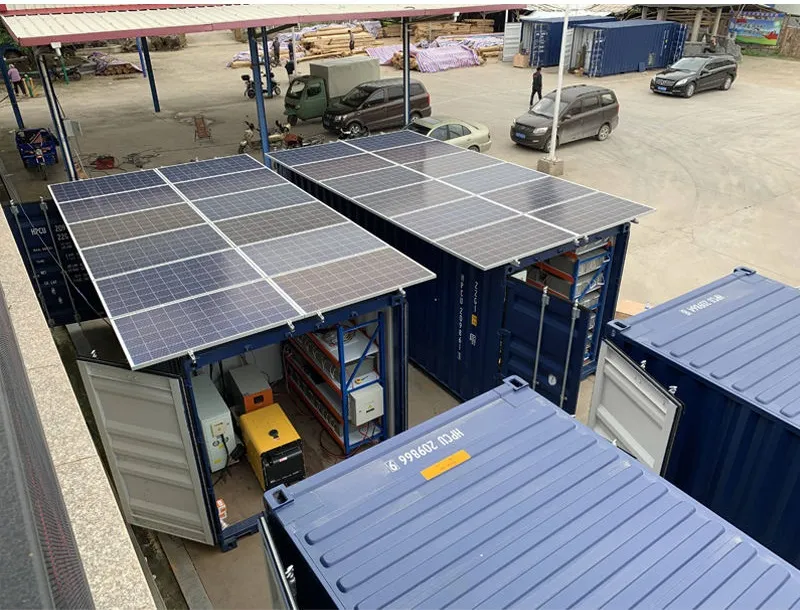
Hey there! If you're exploring solar panels, you've probably encountered that tricky balancing act - trying to find that sweet spot between upfront costs and long-term energy savings. It's like shopping for a car: should you grab the budget model that gets you from point A to B, or invest in the luxury ride that feels great but costs a fortune? Well, you're in the right place. Today, we're breaking down how to balance your solar investment so you can save money without sacrificing performance.
Think of solar panels as partners in your energy journey rather than just shiny rectangles on your roof. Finding the right solution doesn't have to feel like solving quantum physics. By the time you finish reading this guide, you'll understand how to evaluate solar options like a pro and make decisions that align with both your wallet and your home's energy needs.
The High-Wire Act: What "Balancing" Really Means for Solar Shoppers
When experts talk about "balancing" in solar energy, they're not referring to circus tricks on your rooftop (though that would be impressive). This balancing act involves weighing three key factors:
The Wallet Factor
Upfront costs hit different for every homeowner. That $15,000 system might be pocket change for some but a major investment for others.
The Energy Equation
Will your panels actually reduce your bills enough to justify their cost? Efficiency numbers can be deceiving without context.
The Long Game
Solar is a marathon, not a sprint. That budget panel might seem appealing now, but will it underperform in year 10?
Most homeowners feel stuck choosing between budget-friendly panels that don't generate enough juice and premium panels that cost a small fortune. But here's the truth: you can find middle ground solutions that deliver without draining your bank account. The key is understanding that balancing isn't compromise - it's smart optimization.
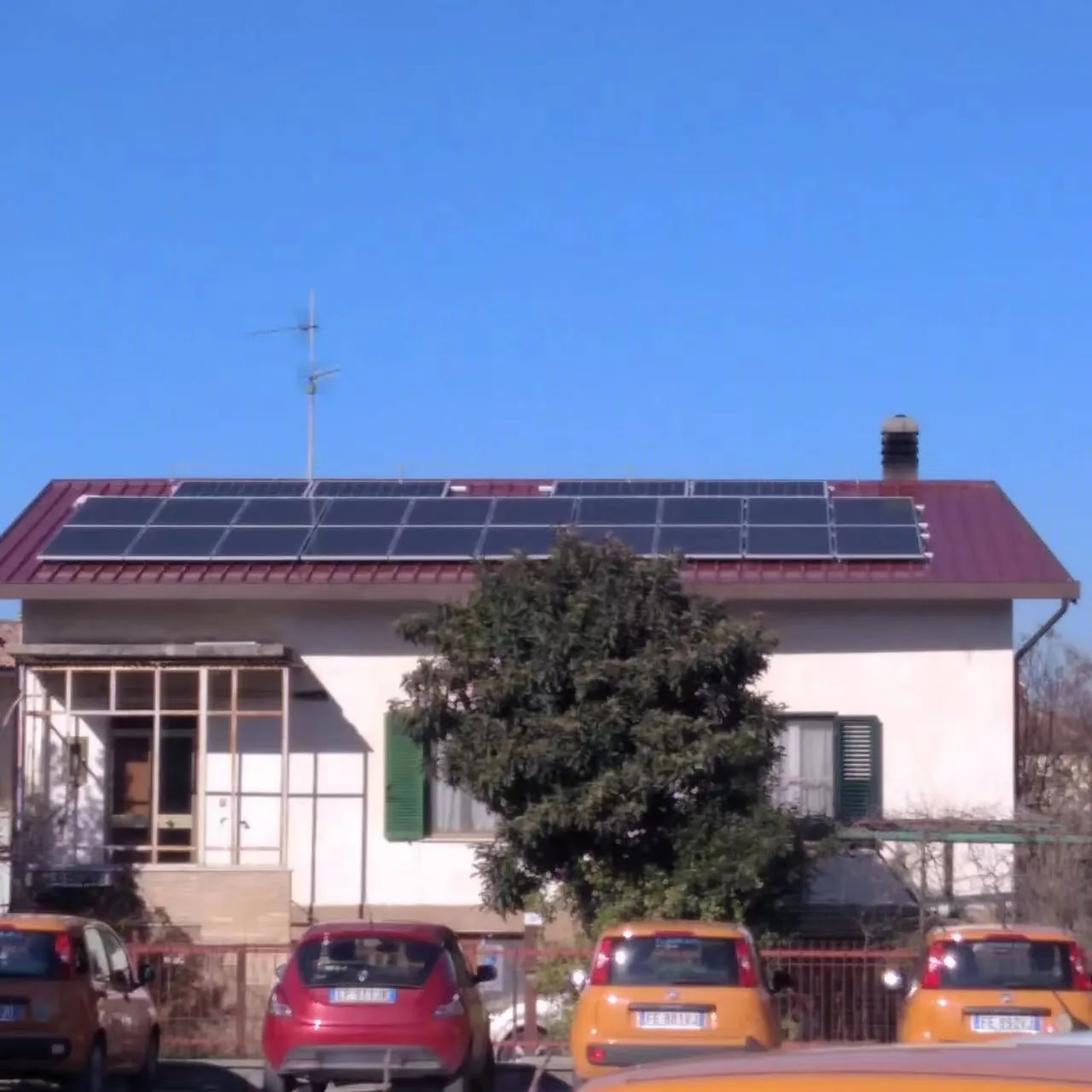
Cost Considerations: Beyond the Sticker Price
Let's cut through the sales jargon and talk real dollars. When weighing solar costs, most people focus only on the big number at the bottom of the quote. But to truly balance your investment, you need to consider the entire picture:
Visible Costs
These are the expenses that jump out at you:
- Equipment costs: Panels, inverters, mounting hardware
- Installation fees: Labor costs for setup
- Permitting expenses: Local government requirements
Hidden Value Factors
These are the less obvious but equally important elements:
- Warranty value: That cheap panel might come with minimal protection
- Efficiency degradation: How much performance drops over time
- Utility savings: The dollar amount you'll save monthly
- Resale value: Home value increase with solar
Here's the reality check: the cheapest system often becomes the most expensive in the long run . Those bargain panels might cost 30% less upfront but deliver 40% less energy over their lifespan. Suddenly your "great deal" doesn't seem so great.
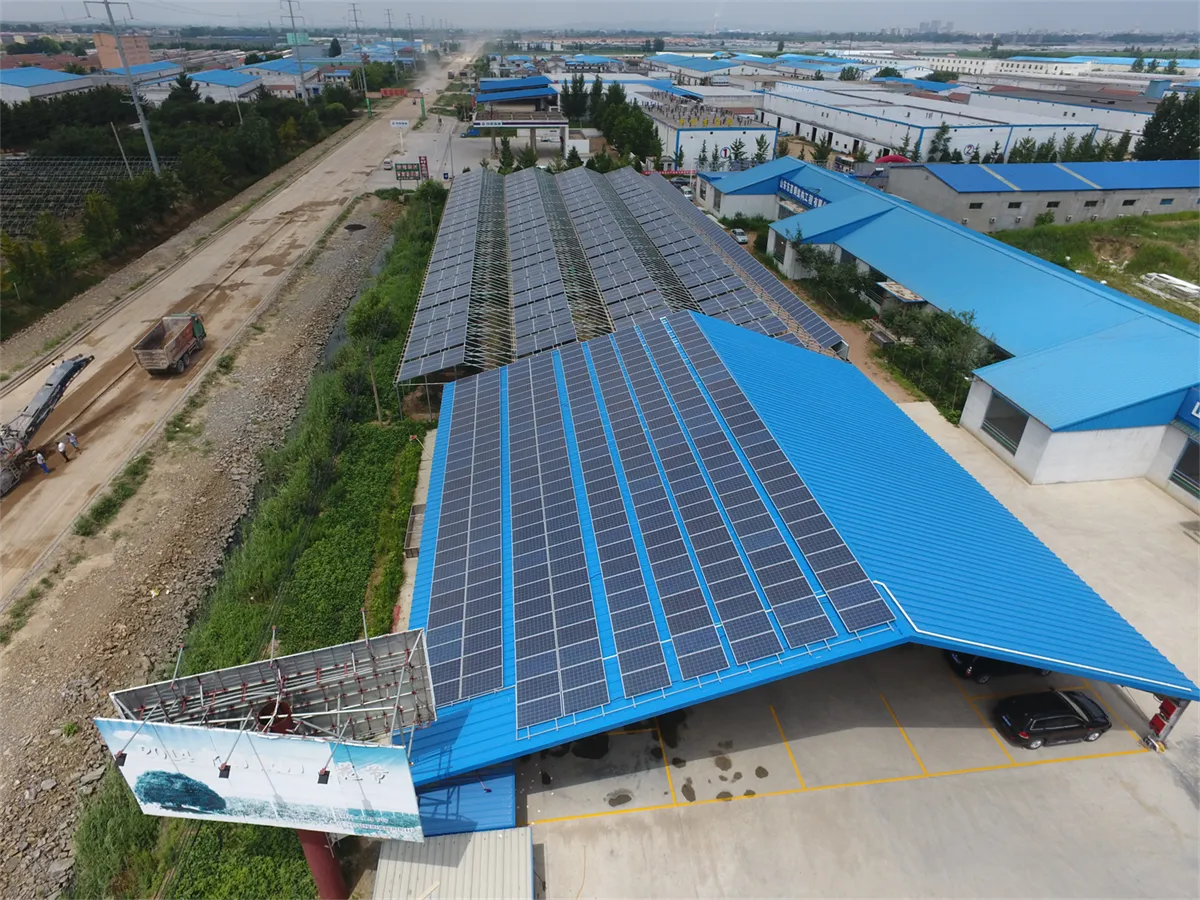
Efficiency Explained: More Than Just Numbers
You'll hear lots of efficiency percentages thrown around - 18%, 22%, etc. But what do these figures really mean for your home? Let's translate technical specs into real-world impact.
Efficiency Levels Decoded
Budget-friendly workhorses that get the job done if space isn't an issue
The sweet spot for most homeowners - good performance without luxury pricing
Top-tier performance for limited spaces or max power needs
When Efficiency Matters Most
Higher efficiency panels earn their keep in specific situations:
- Small Roofs: When every square foot counts
- Partial Shading: Better performance in imperfect conditions
- High Electricity Rates: Where extra output pays off faster
- Energy-Intensive Homes: Large families with EV charging needs
But here's what salespeople won't tell you: For many homes with ample roof space, standard efficiency panels actually provide better value. Rather than obsessing over percentage points, focus on your system's total annual output prediction. That's what truly affects your bill.
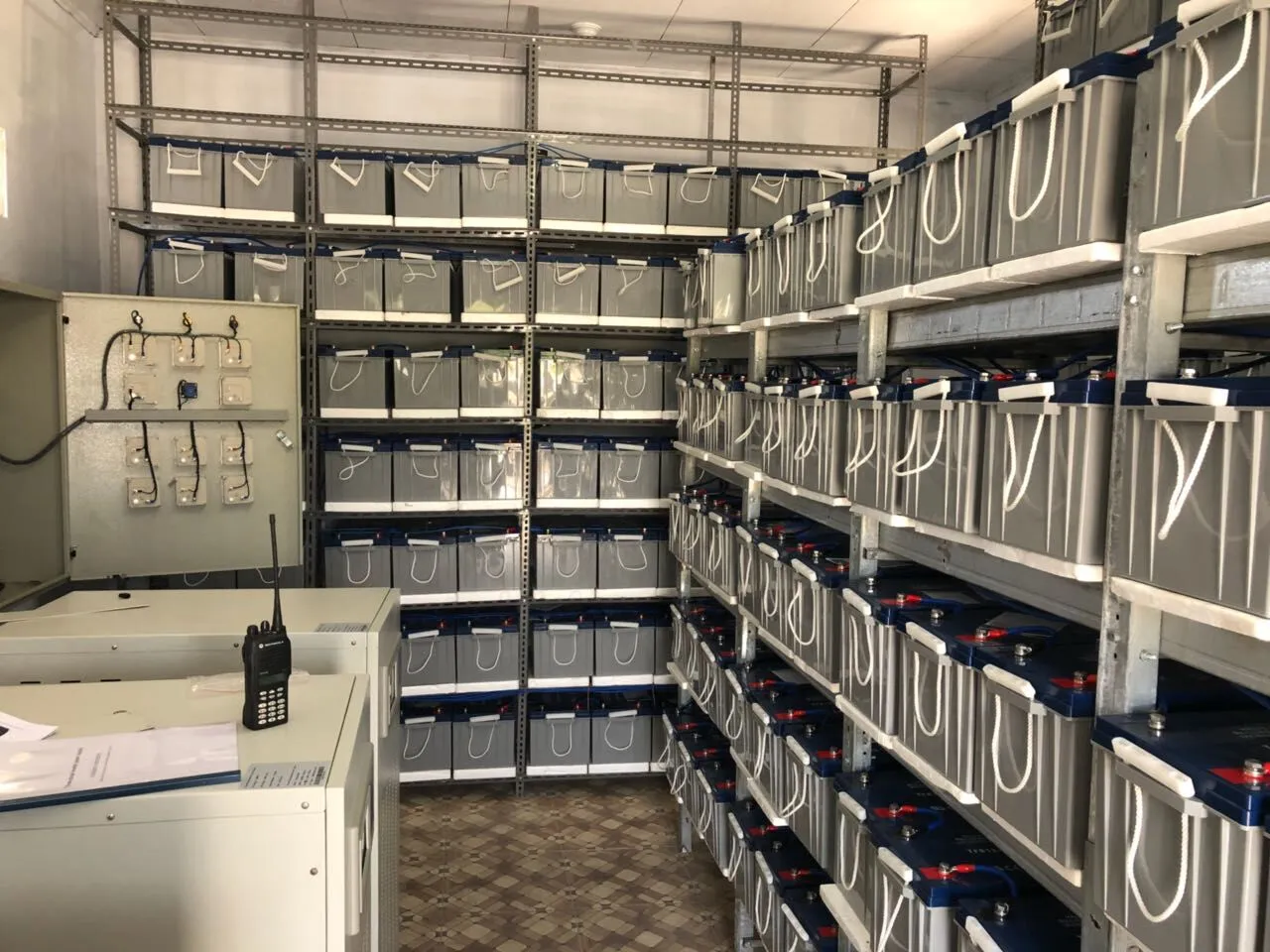
Finding Your Balance Point: The Tailored Approach
This is where we get personal. Your ideal solar solution depends entirely on your situation. Consider these aspects:
Budget Scenarios
Tight Budget Solution ($10K-$15K)
Strategy: Standard efficiency panels + string inverter
Best For: Smaller homes with good roof space
Pro Tip: Phase your installation - install part now, add more panels later
Balanced Approach ($16K-$22K)
Strategy: High efficiency panels + power optimizers
Best For: Most medium-sized family homes
Pro Tip: Prioritize south-facing roof sections for max output
Premium Setup ($23K+)
Strategy: Top-tier panels + microinverters + battery backup
Best For: Large homes in areas with frequent power outages
Pro Tip: Consider panel level monitoring for precision management
Installation Considerations
Even the best panels underperform with bad installation. Don't overlook these critical factors:
- Roof health: Repair before installing to avoid extra costs later
- Shading analysis: Professional assessment trumps satellite images
- Local climate: Rainy areas need different setups than desert regions
- Future plans: Planning an addition? Getting an EV? Factor in future needs
The sustainable solution depends entirely on your unique circumstances. Urban homeowners with limited roof space might need premium panels, while rural homeowners with ample land could maximize savings with a ground-mounted basic system.
The Smart Buyer's Checklist
Before signing any solar contract, run through this essential checklist:
Remember: The most effective solar solution considers your budget without overcomplicating your installation. A thoughtfully designed basic system often outperforms a poorly planned premium setup.
Striking Your Perfect Balance
Choosing solar panels ultimately comes down to finding your personal equilibrium between investment and return. The ideal system isn't the most expensive or the cheapest - it's the one that fits your financial reality while delivering meaningful energy production.
Don't get paralyzed by endless options and technical jargon. Focus on these core principles:
- Understand your actual energy needs (not theoretical maximums)
- Be realistic about what you can afford now and what will pay off long-term
- Choose quality installation over premium panels every time
- Consider your home's specific circumstances before industry trends
Solar energy should feel empowering, not overwhelming. When you find that sweet spot between cost and efficiency, you'll experience the true power of renewable energy - lower bills, energy independence, and the satisfying knowledge that you made a financially sound decision for your home and our planet.










