
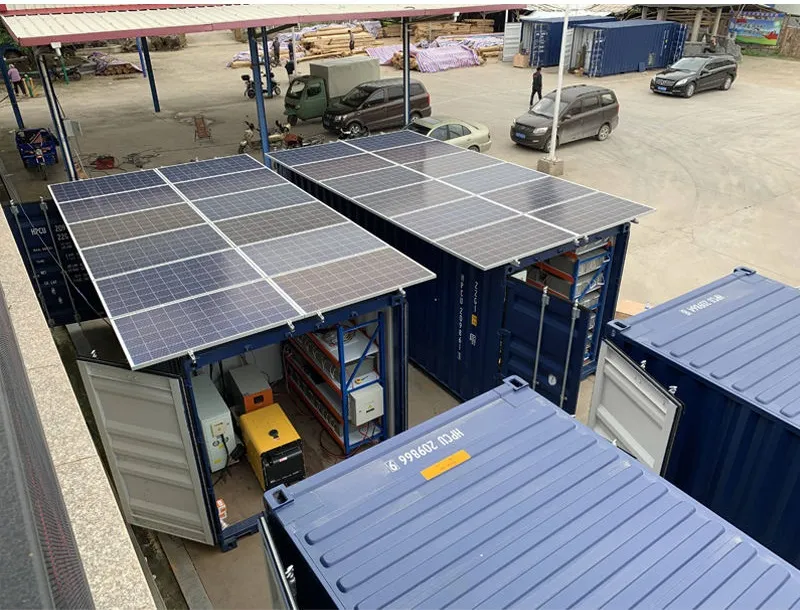
Solar energy has become the cornerstone of our renewable energy future, but like any technology, it has its hidden challenges. While we marvel at rows of glistening solar panels harnessing the sun's power, microscopic cracks lurk beneath the surface. These invisible fractures can dramatically reduce energy output and shorten panel lifespan, silently bleeding efficiency from our clean energy systems. Traditional inspection methods often miss these flaws until it's too late, but a revolution is taking flight.
Solar panels might look robust, but they contain delicate silicon wafers thinner than a human hair. These wafers are vulnerable to microcracks caused by manufacturing stresses, transportation jostling, hailstorms, or even thermal expansion from daily temperature swings. You won't see these hairline fractures with the naked eye, but their impact is undeniable. A single crack can propagate across solar cells like a tiny earthquake fault line, reducing energy capture by 2-3% per damaged cell. Multiply that across a solar farm, and you're hemorrhaging power and profits.
For years, technicians performed solar inspections the hard way: walking rows of panels with infrared cameras or electroluminescence (EL) imagers. This method was slow, expensive, and dangerously inconsistent. Picture this: technicians scaling rooftops in scorching heat, missing problem areas in shadowy corners, and compiling reports over weeks. Meanwhile, underperforming panels silently drained revenue. The solar industry desperately needed smarter eyes in the sky.
Enter the drone revolution - a marriage of aviation, multispectral imaging, and artificial intelligence that's transforming solar diagnostics. Modern inspection drones aren't just cameras on propellers; they're flying laboratories equipped with specialized sensors that detect flaws human eyes could never perceive.
The real magic lies in the sensor payload carried by advanced inspection drones:
Consider the challenge: EL imaging requires complete darkness and electrical stimulation, while thermography works best during peak sunlight. Advanced drones like those developed by DTU researchers seamlessly switch between modes, capturing multiple diagnostic views of each panel in a single mission. This multiplatform approach provides deeper insights than any single method could offer.
While drones gather mountains of imagery, the true transformation happens behind the screens. Sophisticated AI algorithms analyze these images with superhuman precision:
The groundbreaking IEEE study demonstrated how YOLOv11 achieved a remarkable mean Average Precision (mAP) of 0.577 at 0.5 IoU thresholds. What does that mean in practical terms? These algorithms detected nearly 60% of hidden cracks other methods might miss. The AI doesn't just see cracks - it understands their significance, prioritizing critical repairs.
"We're not just finding problems faster; we're predicting them before they impact performance. This is proactive maintenance at its finest." - Lead Researcher, DTU Multispectral Project
A 150MW facility reporting 5% unexplained energy loss. Traditional inspection of all 450,000 panels would have taken three months. Using automated drones:
Post-repair monitoring showed a 7.3% power recovery - worth $780,000 annually.
A difficult-to-access installation on a distribution center roof:
Result: 25-minute inspection versus 2-day manual effort, with 20% higher flaw detection rate.
The implications extend far beyond technical manuals. This transformation affects everyone in the solar ecosystem:
For project owners, drones translate directly to dollars. A typical 10MW farm gains $200,000/year through early crack detection. Investors benefit from both extended asset life and proven performance data that enhances project valuations. Solar panel suppliers are integrating drone reports into warranty validation processes, creating unprecedented accountability.
Field technicians no longer wander solar arrays hoping to find problems. Instead, they receive hyper-accurate GPS coordinates with defect classifications and repair priorities. This transforms maintenance from a scavenger hunt to a precision surgical procedure.
At scale, eliminating undetected panel degradation could recover terawatt-hours of lost renewable energy globally. This represents more than economics - it's critical leverage in our climate mitigation toolkit.
What's next in this evolution? Several frontiers promise even greater advancements:
Automatic drone detection for solar panel cracks represents more than just clever engineering - it's a paradigm shift in how we care for our renewable energy infrastructure. By revealing the invisible wounds plaguing solar installations, these systems transform maintenance from reactive damage control to proactive health management. As the technology continues evolving through groundbreaking research like that conducted at DTU and the innovative methodologies demonstrated in the IEEE study, we're entering an era where every photon matters, and no crack hides for long. The future of solar efficiency isn't just about generating more energy - it's about losing less. And in that mission, the humble drone might just become solar energy's most valuable guardian.
Recommend Products












