
Making sense of compliance for manufacturers and homeowners
Ever wondered why that fancy bathroom tap you installed last spring started leaking unexpectedly? Or why your designer showerhead never delivered the pressure it promised? Chances are, it might've skipped a crucial Australian quality checkpoint – the WaterMark certification. Let me walk you through why this little symbol matters more than you'd think for every bathroom accessory in your home.
Picture this: You're renovating your bathroom, standing in a hardware store aisle with dozens of taps, showerheads, and pipes staring back at you. How do you know which ones won't spring a leak in six months? That's where WaterMark steps in like a trusted plumber friend. It's not just some bureaucratic stamp – it's Australia's promise that plumbing products won't let you down.
Here's the heart of it: WaterMark certification is mandatory for all plumbing and drainage products that connect to our water systems. It's administered by the Australian Building Codes Board (ABCB), acting like a quality bouncer at the door of Australia's water infrastructure.
Remember that time your neighbor's cheap imported pipes burst and flooded their kitchen? WaterMark exists precisely to prevent such nightmares. By ensuring products meet rigorous standards, it protects not just our homes but our health – because when it comes to water systems, cutting corners can have serious consequences.
You wouldn't buy a car without airbags, right? WaterMark is the equivalent safety feature for your water systems. It's all about three big things:
1.
Safety first
: Preventing contamination that could make families sick
2.
Durability
: Ensuring products last more than a few months
3.
Reliability
: Protecting homes from water damage and costly repairs
I've seen homeowners devastated by water damage that insurance wouldn't cover because they'd installed uncertified fixtures. The pain isn't just financial – it's months of disruption to daily life. Certified products might cost a bit more upfront, but they're like insurance against future plumbing disasters.
Practically everything that touches water in your bathroom falls under this requirement. The essentials include:
● Taps and mixers
● Showerheads and systems
● Toilets and cisterns
● Pipes and connectors
● Drainage fittings
● Flexible hoses (those deceptively simple bits!)
● Backflow prevention devices
It's especially crucial for bathroom accessories involved in water reticulation systems. Even flow controllers hidden inside fancier bathroom gadgets need proper certification – invisible doesn't mean unimportant!
Getting WaterMark certification isn't like getting a library card. Manufacturers undergo a thorough process:
It's a rigorous system designed to prevent "bad batch" scenarios that sometimes slip through less stringent certification systems. The Conformity Assessment Bodies (CABs) doing this work are themselves authorized by JAS-ANZ – Australia's accreditation watchdog.
Here's where people often get confused. WaterMark and WELS (Water Efficiency Labelling Scheme) are partners, not competitors:
●
WaterMark
= Safety and reliability
●
WELS
= Water efficiency (those star ratings you see on products)
You'll often find bathroom accessories carrying both markings, because they complement each other. That gorgeous waterfall tap? Needs WaterMark to ensure it won't leak chemicals into your water, and WELS to confirm it's not draining our reservoirs.
Here's something most homeowners don't realize: Licensed plumbers can actually lose their license for installing uncertified bathroom products. That's how serious this is.
Imagine calling a plumber who refuses to install that discount faucet you found online? They're not being difficult – they're protecting your home and their livelihood. Reputable tradespeople will always:
● Check WaterMark certification before installation
● Keep documentation for compliance records
● Advise against uncertified products (no matter how good the deal seems)
The WaterMark symbol looks like a water droplet with a checkmark silhouette inside (a stylized 'W'). But never just take the logo at face value – here's how to verify:
1. Check the unique license number
2. Look for product model details
3. Verify online through ABCB's certification database
4. Cross-check packaging for testing standard references
I've seen counterfeit markings on products, especially online imports. Verification takes just minutes on the ABCB website and could save you thousands in repair costs later.
Oddly enough, not every water-related item needs certification. Exclusions include:
● Decorative bathroom items without plumbing connections
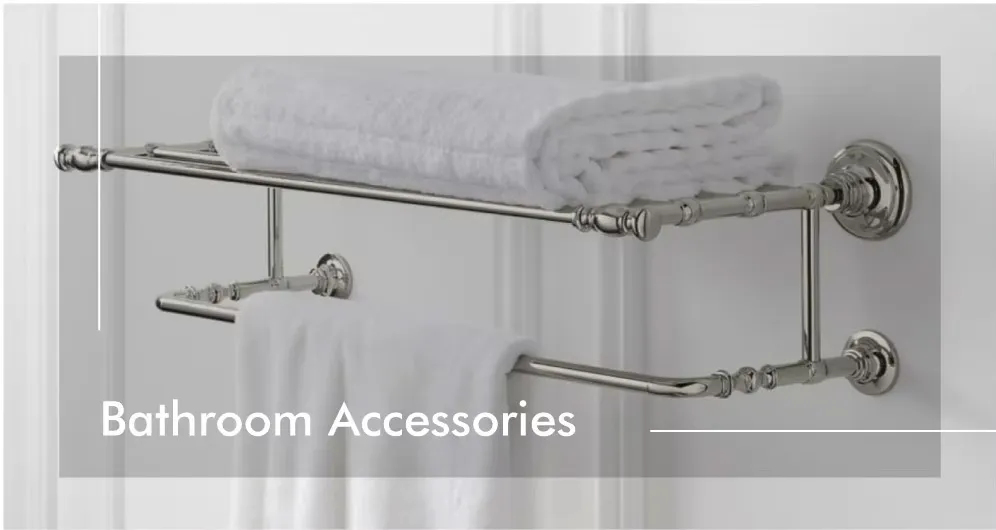
● Non-pressurized components like towel rails
● Replacement parts not changing original certified function
● Movable appliances with temporary connections
The ABCB publishes a current WaterMark Schedule of Excluded Products that's worth checking if you're unsure whether bathroom accessories or plumbing components need certification.
With Australia pushing for more sustainable water management, certification requirements keep evolving. Recent developments include:
●
Lead-free requirements
: Phasing out lead content in brass fixtures
●
Material safety standards
: Stricter controls on plasticizers
●
Smart water systems
: Certification framework for connected devices
●
Climate resilience
: Testing for temperature extremes
Manufacturers investing in certification aren't just meeting today's standards – they're building trust with consumers who increasingly care about safety and sustainability in their homes.
Many businesses find certification daunting, but it doesn't need to be a nightmare. Smart manufacturers:
Resources like ABCB's Prefabricated Construction Handbook provide valuable insights even for standard bathroom product certification.
Remember: At its heart, WaterMark isn't about bureaucracy – it's about peace of mind. Whether you're a manufacturer creating the next generation of beautiful bathroom accessories , a plumber installing them, or a homeowner enjoying a relaxing shower, this certification is what keeps Australian homes safe and dry.
Because nothing ruins a perfectly good bathroom renovation like pipes that don't do what they're supposed to.
Recommend Products












