
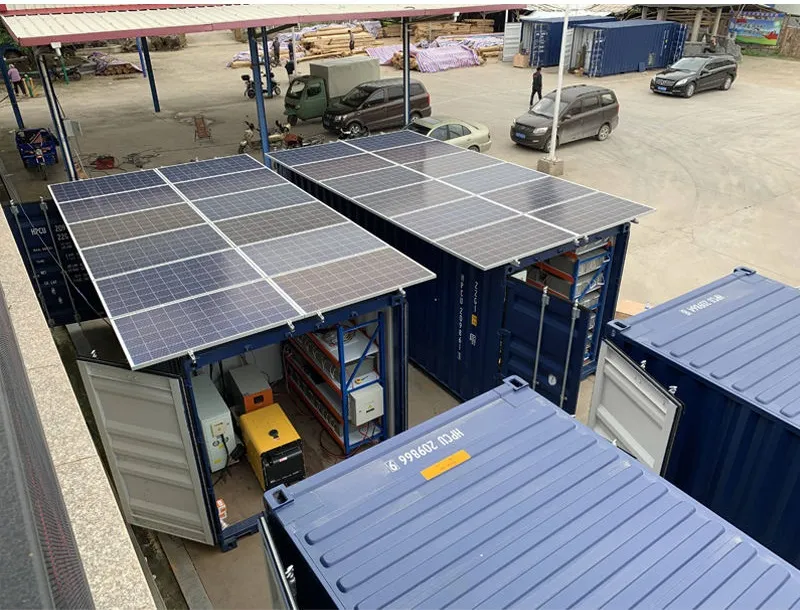
These days, it feels like everywhere you look, renewable energy is taking center stage—and for good reason. As the world shifts toward cleaner, more sustainable power sources, solar energy has emerged as a frontrunner, powering homes, businesses, and even entire communities. But behind every sleek solar panel array, there's a network of unsung heroes keeping the system running smoothly: the piping that transports heat, coolant, and other fluids critical to solar efficiency. And when it comes to reliable, durable piping for solar applications, one material stands out: CPVC, specifically those meeting the ASTM D2846 standard. Let's dive into why these pipes matter, how they support solar panel systems, and why choosing the right supplier is just as important as the product itself.
Solar panel systems have come a long way from the clunky, inefficient setups of the past. Today's systems are sophisticated, high-performance machines that convert sunlight into usable energy with impressive efficiency. But here's the thing: while the panels get all the attention, the infrastructure behind them is what makes or breaks a solar project. Think about it: whether it's a residential rooftop system or a sprawling utility-scale solar farm, there's a complex web of components working together— inverters, batteries, and yes, piping systems. These pipes carry heat transfer fluids (like water or glycol mixtures) that help regulate panel temperature, maximize energy output, and even store excess heat for later use. Without reliable piping, even the best solar panels can underperform, leading to lost energy, higher maintenance costs, and shorter system lifespans.
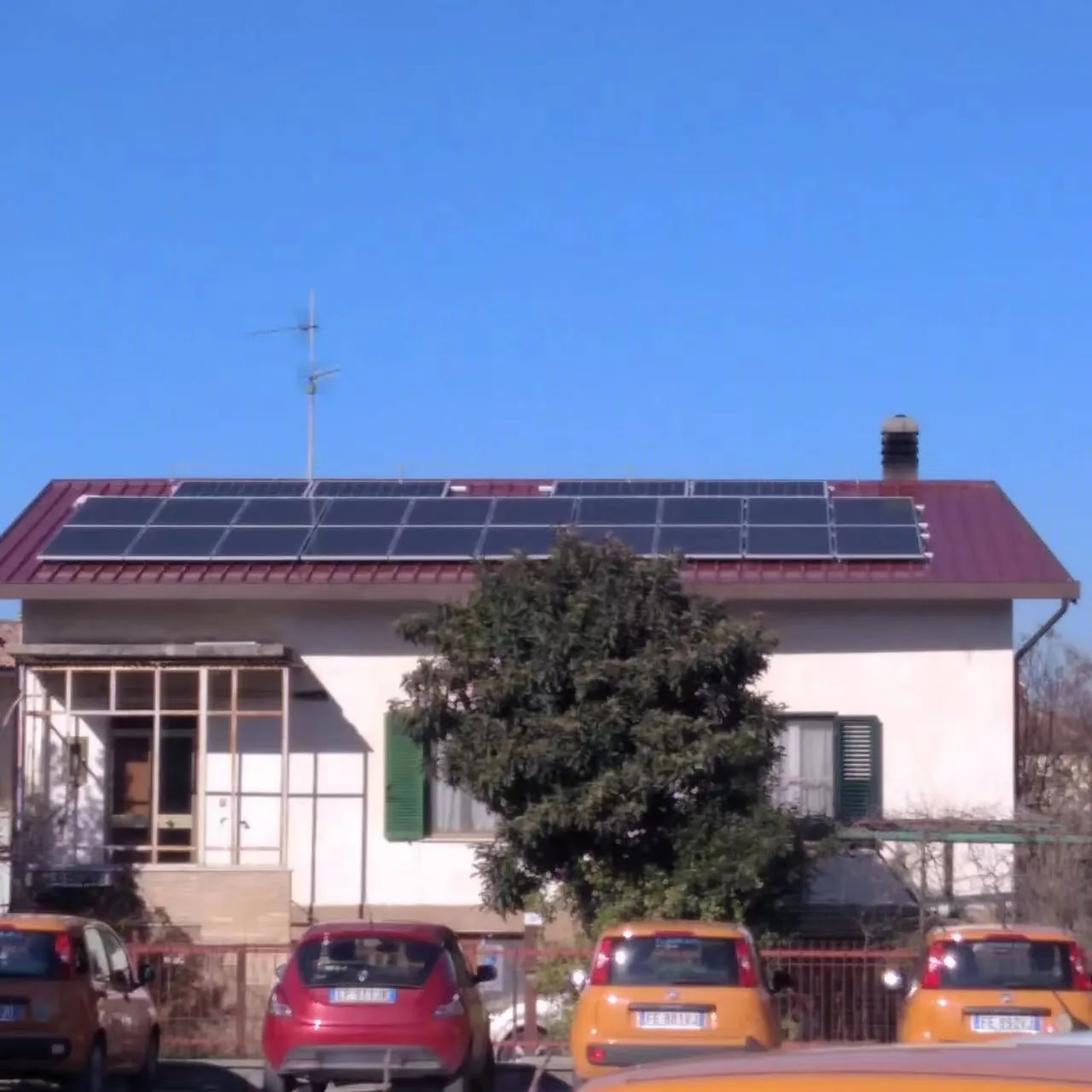
Solar panel systems operate in some pretty tough conditions. Imagine a solar farm in the middle of the desert, where temperatures soar during the day and plummet at night. Or a rooftop system in a coastal area, bombarded by saltwater spray. The piping in these systems has to handle it all: extreme temperatures (often ranging from -10°C to 90°C or higher), constant pressure from fluid circulation, and exposure to UV rays, chemicals, and corrosion. Traditional materials like copper or galvanized steel might seem like a safe bet, but they come with downsides: copper is expensive and prone to corrosion in certain fluids, while steel can rust and require frequent replacement. That's where plastic piping solutions step in—and CPVC, in particular, has become a game-changer.
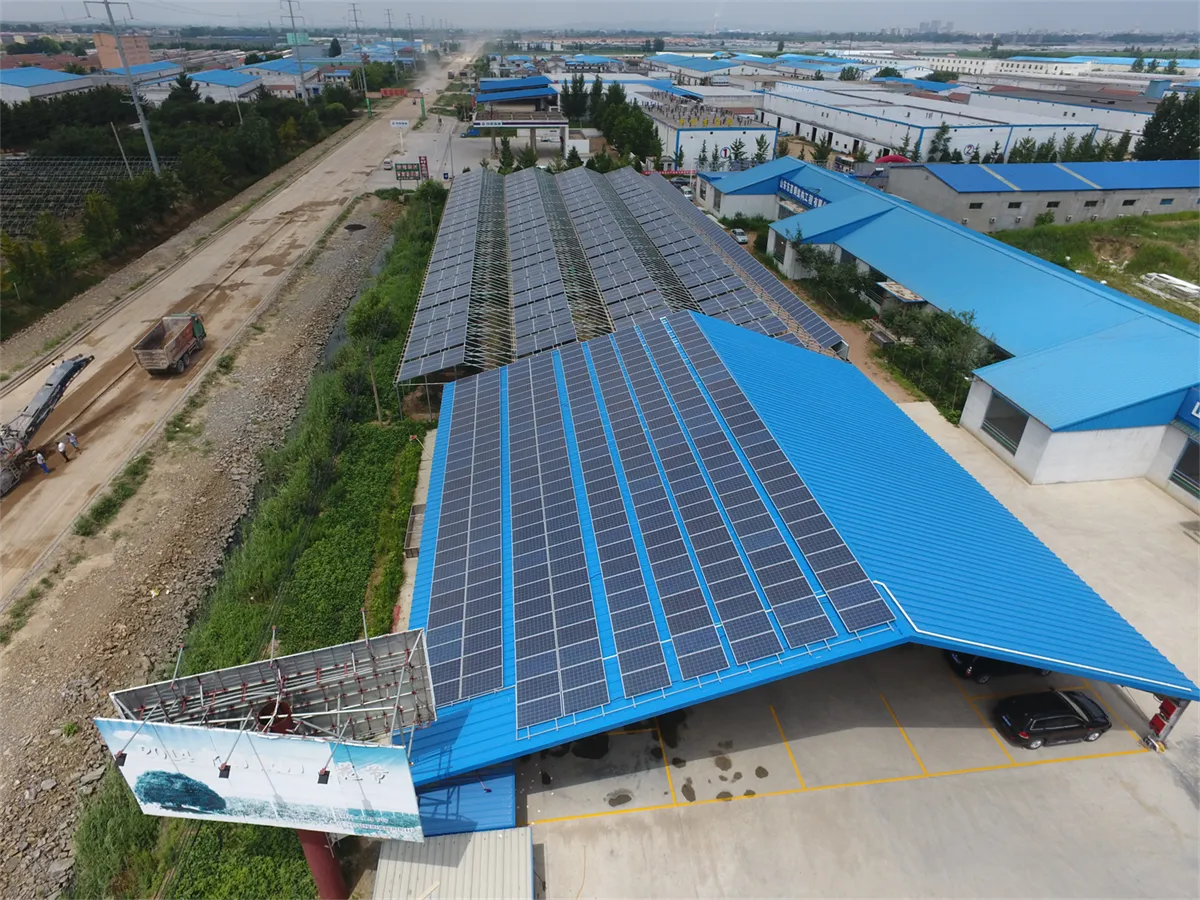
CPVC, or Chlorinated Polyvinyl Chloride, is a thermoplastic material that's been around for decades, but its use in solar systems is where it really shines. Unlike regular PVC (Polyvinyl Chloride), which is great for cold water applications but struggles with heat, CPVC is engineered to handle higher temperatures. How? Through a chlorination process that modifies the polymer structure, making it more heat-resistant and durable. But not all CPVC is created equal. When it comes to solar systems, there's one standard that matters most: ASTM D2846 .
ASTM D2846 is a specification set by the American Society for Testing and Materials (ASTM) that outlines the requirements for CPVC pipe and fittings used in hot and cold water distribution systems. But here's why it's critical for solar: this standard ensures the material can withstand the high temperatures and pressures common in solar thermal systems. It covers everything from wall thickness and dimensional stability to impact resistance and chemical compatibility. In short, if a CPVC product meets ASTM D2846, you can trust it to perform when the heat is on—literally.
So, why should solar project managers and installers choose ASTM D2846 CPVC over other materials? Let's break it down:
1. Heat Resistance That Keeps Up with Solar Demands
Solar thermal systems often reach fluid temperatures of 80°C or higher. ASTM D2846 CPVC is rated for continuous use at temperatures up to 93°C, with short-term spikes up to 100°C. That means even on the hottest days, when your solar panels are cranking out energy, the piping won't warp, crack, or degrade.
2. Corrosion Resistance for Long-Term Reliability
Heat transfer fluids can be harsh—glycol mixtures, for example, are slightly acidic. Unlike metal pipes, CPVC is naturally resistant to corrosion, rust, and chemical degradation. This translates to fewer leaks, less maintenance, and a longer system lifespan (we're talking 50+ years in many cases).
3. Lightweight and Easy to Install
CPVC pipes are significantly lighter than metal, making them easier to transport, handle, and install—no heavy equipment required. They also join using solvent cement, which creates a permanent, leak-proof bond in minutes. This speeds up installation time, reduces labor costs, and minimizes disruption to the project timeline.
4. Cost-Effective from Start to Finish
While the upfront cost of CPVC might be slightly higher than standard PVC, it's often cheaper than copper or stainless steel. When you factor in lower installation costs, minimal maintenance, and a longer lifespan, CPVC becomes the most cost-effective option over the system's lifetime.
5. Environmentally Friendly (Yes, Really!)
Solar energy is all about sustainability, so it makes sense to use materials that align with that goal. CPVC is recyclable, and its long lifespan means less frequent replacement (and less waste). Plus, because it's lightweight, transporting CPVC requires less fuel than hauling heavy metal pipes—reducing the carbon footprint of your project from day one.
Now that we've covered why ASTM D2846 CPVC is a smart choice for solar systems, let's talk about the other half of the equation: the supplier. A great product is only as good as the company behind it. When selecting a cpvc pipe and fitting (astm d2846) supplier for your solar project, here's what to look for:
Quality Assurance: The supplier should have strict quality control processes in place to ensure every batch of CPVC meets ASTM D2846 standards. Ask about certifications (like ISO 9001) and third-party testing reports. A reputable supplier will be happy to share this information.
Product Range: Solar projects often need more than just CPVC. Look for a supplier that offers complementary products, like upvc pipe supplier options for cold water lines, pex pipe and fitting supplier solutions for flexible applications (like residential solar setups with tight spaces), or even class a fireproof cpl inorganic board for hospital and school supplier materials for auxiliary buildings (think solar farm control rooms or maintenance sheds that need fire-resistant walls).
Technical Support: Solar systems can be complex, and every project is unique. A good supplier won't just sell you pipes—they'll provide technical expertise, helping you select the right products for your specific needs. This might include sizing assistance, installation guides, or even on-site support if needed.
Reliability: Solar projects run on tight timelines. You need a supplier that can deliver on time, every time. Ask about lead times, inventory levels, and their track record with large-scale projects. A supplier with a global distribution network is a plus, especially for international solar farms.
While ASTM D2846 CPVC is the star of the show for solar thermal piping, most projects require a mix of materials to cover all bases. Let's take a quick look at some other piping solutions a full-service supplier might offer, and how they fit into solar systems:
| Pipe Type | Key Standard | Max Temperature | Best For | Why It Works in Solar |
|---|---|---|---|---|
| CPVC (ASTM D2846) | ASTM D2846 | 93°C (continuous) | Heat transfer fluid lines | High heat resistance, corrosion-proof, cost-effective |
| UPVC | ASTM D1785 | 40°C (continuous) | Cold water lines, drainage | Durable, affordable, ideal for non-heated fluid transport |
| PEX | ASTM F876/F877 | 82°C (continuous) | Residential solar, tight spaces | Flexible, easy to install in small areas, freeze-resistant |
| Copper | ASTM B88 | 120°C (continuous) | High-temperature industrial systems | Proven track record, but expensive and corrosion-prone in some fluids |
As you can see, each material has its strengths. A supplier that offers a range of options can help you design a piping system that's optimized for every part of your solar project—from the high-heat thermal lines (CPVC) to the cold water supply (UPVC) to the flexible connections in tight spaces (PEX).
Let's put this into context with a real-world example. A 1,000kW solar farm in Riyadh, Saudi Arabia, was facing a common challenge: extreme temperatures (often exceeding 45°C during the day) and a need for durable piping that could handle the harsh desert environment. The project initially considered copper pipes but quickly realized the high cost and corrosion risk (due to the region's salty air) made it impractical.
Enter our cpvc pipe and fitting (astm d2846) supplier team. We recommended ASTM D2846 CPVC pipes for the thermal fluid lines, paired with UPVC for the cold water irrigation system (used to clean the panels) and PEX for the residential staff quarters on-site. The result? After two years of operation, the piping system has required zero replacements, and maintenance costs are 30% lower than projected with copper. The client was so impressed that they've specified our CPVC products for their next solar farm expansion.
As solar technology continues to evolve—with higher-efficiency panels, better energy storage, and more integrated systems—the demand for reliable piping will only grow. Suppliers are already innovating, developing CPVC formulations that can handle even higher temperatures (up to 100°C continuous) and adding features like antimicrobial coatings for systems that use water-based fluids. There's also a push for more sustainable manufacturing processes, with some suppliers using recycled materials in their CPVC production without compromising performance.
Another trend? Integration with smart systems. Imagine CPVC pipes embedded with sensors that monitor temperature, pressure, and flow in real time, sending data to a central dashboard. This would allow solar operators to spot issues before they become problems, further reducing maintenance costs and downtime. While this is still in the early stages, forward-thinking suppliers are investing in this technology to stay ahead of the curve.
Solar energy is more than just a trend—it's a critical part of our transition to a sustainable future. And while the panels get the headlines, the piping systems are the backbone that keeps everything running smoothly. ASTM D2846 CPVC pipes offer the heat resistance, durability, and cost-effectiveness solar projects need, but choosing the right supplier is just as important. Look for a partner that prioritizes quality, offers a range of complementary products (like UPVC, PEX, and fireproof boards), and provides the technical support to ensure your project's success.
At the end of the day, a solar system is an investment—and like any investment, you want to protect it. By choosing the right cpvc pipe and fitting (astm d2846) supplier , you're not just buying pipes—you're building a foundation for reliable, efficient, and sustainable energy for years to come. Here's to a brighter (and more well-piped) future.
Recommend Products












