
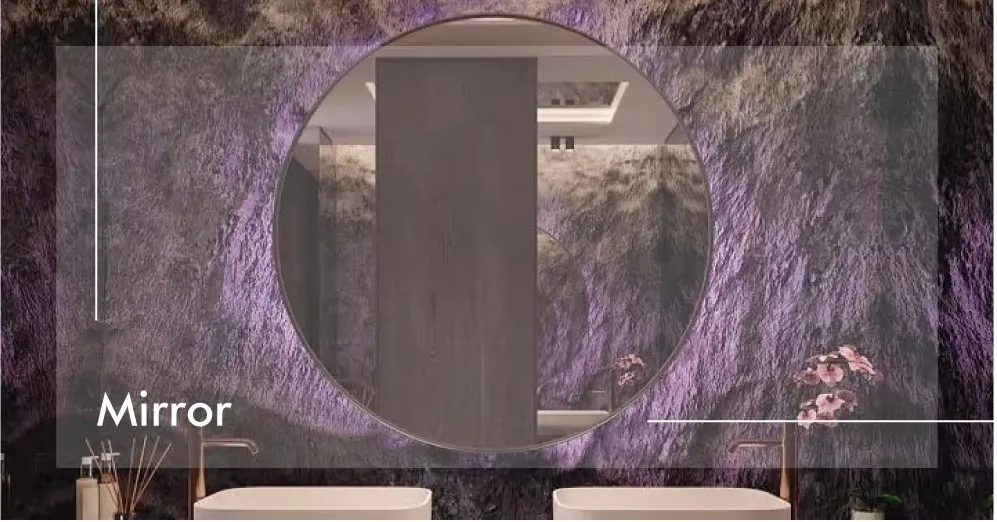
There's something magical about a truly exceptional decorative mirror—it's not just something you glance at quickly while rushing out the door. It becomes part of your home's heartbeat, a quiet witness to your daily moments. When you opt for a custom hand-carved piece, you're getting far more than polished glass and wood. You're inviting heritage, soul, and artistry into your space.
I remember visiting a collector's home in Florence years ago, where an 18th-century hand-carved Venetian mirror hung above an antique console. Sunlight danced across its intricate floral motifs, casting patterns on the wall that changed with the hour. It wasn't just decorative; it felt alive. That experience taught me what distinguishes mass-produced items from interior decorative wall board -worthy treasures.
The journey of creating a hand-carved mirror begins long before tools meet wood. Master artisans source special timber—walnut, mahogany, or oak that’s been dried naturally for years to prevent warping. The selection process feels almost ceremonial; they’ll touch grain patterns, hold pieces to light, reject anything with invisible weaknesses.
While mass-produced mirrors lose charm faster than yesterday’s trend, art-grade carved pieces grow richer with time. Here’s why collectors pay premiums—and why you might find tremendous value beyond price tags:
Emotional Resonance: These mirrors tell stories. Whether echoing Gothic arches, Baroque curves, or minimalist Japandi lines, they connect us to traditions while reflecting our personal spaces. That personal narrative can't be manufactured cheaply.
Craftsmanship Longevity: Hand-carved hardwoods withstand generations. Unlike fiberboard frames that chip or flake, solid wood develops character over time. Your grandkids may refinish your mirror someday.
Exclusive Personalization: Collaborating with a maker means creative freedom. Want vines wrapping the frame? Your initials hidden in foliage? It’s possible. This co-creation journey turns furniture into legacy.
Think of maintenance as connecting with history rather than chores:
Finding the right artisan makes all the difference. Look for makers who prioritize sustainability—wood sourcing matters as much as skills.
In our digital, disposable era, carved mirrors reconnect us with tactile beauty and permanence. They become silent partners through life’s chapters—reflecting graduations, quiet coffees, laughter between friends. That emotional weight builds beyond price tags into irreplaceable value.
The best mirrors? They reflect more than our faces. They echo moments.
Recommend Products












