
Picture this: You're knee-deep in a home renovation, standing in the plumbing aisle of a hardware store, staring at a wall of pipes. Your contractor mentioned something about "hot water lines" and "pipe compatibility," but all you see are acronyms—PVC, PPR, PEX—and a lot of confusing jargon. If you've ever found yourself wondering whether that roll of PVC DWV pipe in your cart can double as hot water piping, you're not alone. Let's dive into this common plumbing puzzle, separate fact from fiction, and get you the clarity you need to make the right choice for your project.
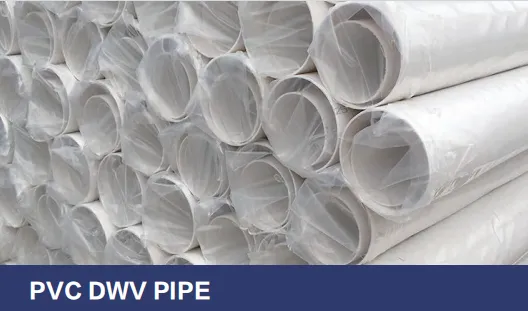
First things first: Let's decode the acronym. DWV stands for Drain, Waste, and Vent . So, PVC DWV pipes are specifically designed for—you guessed it—carrying wastewater, sewage, and venting gases out of your home or building. They're the unsung heroes behind your sinks, showers, and toilets, quietly whisking away water and odors to keep your space clean and functional.
These pipes are made from polyvinyl chloride (PVC), a durable, lightweight plastic that's resistant to corrosion, chemicals, and rust—all great traits for handling the messy stuff that goes down drains. You'll typically find them in white or gray, with smooth interiors to prevent clogs, and they come in various diameters to fit different drainage needs. A quick chat with any PVC DWV pipe supplier will confirm: These pipes are workhorses in the world of drainage, but they're not designed for every plumbing job under the sun.
Pro Tip: PVC DWV pipes are labeled for their intended use, so check the packaging! Look for markings like "DWV" or "For Drainage Only" to avoid mix-ups. A reputable supplier will always clarify their products' purposes—don't hesitate to ask.
Now, let's shift gears to hot water systems. Whether it's the pipes feeding your shower, kitchen faucet, or washing machine, hot water lines have a tough job. They need to withstand consistent heat (think 120°F to 140°F for most residential systems, and even higher in commercial settings like hotels or hospitals), water pressure (typically 40-80 psi), and long-term wear without degrading or leaking.
Here's the thing: Hot water isn't just about temperature—it's about sustained temperature. Unlike cold water, which stays relatively stable, hot water can fluctuate (hello, sudden blasts from the water heater) and stays warm for extended periods as it travels through pipes. That kind of heat exposure puts unique stress on pipe materials, and not all plastics are up to the task.
Let's cut to the chase: Most plumbing experts will tell you to steer clear of using PVC DWV pipes for hot water systems. Why? Let's break it down.
1. Temperature Limits: PVC DWV Can't Take the Heat
PVC has a relatively low heat tolerance. Most PVC DWV pipes are rated for a maximum temperature of around 140°F, but here's the catch: That's the
short-term
limit. Sustained exposure to water above 120°F can start to soften the plastic over time. Imagine leaving a plastic water bottle in a hot car—it gets floppy and loses shape, right? PVC DWV pipes react similarly. Over months or years of carrying hot water, they can become brittle, crack, or even warp, leading to leaks and costly water damage.
2. Chemical Leaching: A Hidden Risk
When PVC is exposed to high heat, there's a risk of chemical leaching. PVC pipes contain additives like plasticizers and stabilizers, which can break down under heat and potentially seep into the water. While PVC is considered safe for cold water and drainage, the EPA and plumbing organizations caution against using it for potable hot water due to these concerns. You don't want those chemicals in your morning shower or cooking water!
3. Pressure and Structural Integrity
Hot water systems also exert pressure, and PVC DWV pipes aren't built to handle the same internal pressure as pipes designed for pressurized water lines. They're thin-walled compared to pressure-rated pipes, so even if they don't melt, the combination of heat and pressure can cause joints to loosen or pipes to burst. It's like using a garden hose to put out a house fire—wrong tool for the job.
"I've seen too many DIYers and even inexperienced contractors try to repurpose PVC DWV for hot water lines to save a few bucks. The result? Leaks behind walls, mold growth, and expensive repairs down the line. PVC DWV is fantastic for drains, but hot water needs a pipe that's engineered to thrive under heat and pressure." — Maria Gonzalez, Master Plumber with 15+ years in residential and commercial plumbing
If PVC DWV is out, what should you use for hot water systems? Luckily, there are several reliable options, each with its own strengths. Let's meet the top contenders:
1. PPR Pipes: The Workhorse for Hot and Cold
PPR (Polypropylene Random Copolymer) pipes are a favorite among plumbers for hot water lines. They're heat-resistant (rated for up to 200°F), durable, and resistant to corrosion and scale buildup. Plus, they're easy to install with heat fusion, creating leak-proof joints that last decades. A quick search for a
PPR pipe and fitting supplier
will show you why these pipes are a staple in both residential and commercial projects—they balance affordability, performance, and longevity.
2. PEX Pipes: Flexible and Frost-Resistant
PEX (Cross-Linked Polyethylene) pipes are another top pick, especially for retrofits or tight spaces. They're flexible, so they can bend around corners without elbows, reducing the risk of leaks. PEX handles temperatures up to 200°F and is resistant to freezing (it expands if water freezes, then shrinks back, avoiding bursts).
PEX pipe and fitting suppliers
often highlight their ease of installation—no soldering required, just crimp or clamp fittings—and compatibility with both hot and cold water systems.
3. CPVC Pipes: The Heat-Resistant Cousin of PVC
If you're partial to PVC-like pipes but need hot water compatibility, CPVC (Chlorinated Polyvinyl Chloride) is the way to go. It's PVC with an extra chlorine treatment, making it heat-resistant up to 180°F. CPVC is rigid, easy to cut, and uses solvent cement for joints, similar to regular PVC. Just note: It's not as flexible as PEX or as durable as PPR in extreme temperatures, but it's a solid mid-range option for residential hot water lines.
| Pipe Type | Max Temperature Rating | Best For | Pros | Cons |
|---|---|---|---|---|
| PVC DWV | 140°F (short-term only) | Drainage, waste, venting | Cheap, lightweight, corrosion-resistant | Not for hot water; softens under heat; low pressure rating |
| PPR | 200°F | Hot/cold water lines, commercial projects | Heat-resistant, durable, leak-proof joints | Slightly more expensive than PVC; requires fusion tools |
| PEX | 200°F | Retrofits, tight spaces, residential hot water | Flexible, easy to install, frost-resistant | Not UV-resistant (needs protection from sunlight); can't be used outdoors unprotected |
| CPVC | 180°F | Residential hot water, moderate temperatures | Easy to install (solvent cement); familiar to PVC users | Less durable than PPR/PEX; can crack in freezing temps |
Now that you know which pipes work for hot water, let's talk about where to get them. A great pipe is only as good as its supplier—shoddy materials or incorrect specifications can derail even the best-laid plans. Here's what to look for:
For PVC DWV Needs: Stick to a trusted PVC DWV pipe supplier who specializes in drainage products. They'll ensure you get pipes rated for DWV use, with proper thickness and certifications (like ASTM standards). Avoid generic "PVC pipe" from unknown brands—you don't want to risk weak pipes for your drainage system.
For Hot Water Pipes: When shopping for PPR or PEX, seek out suppliers with a track record in plumbing solutions. A reliable PPR pipe and fitting supplier will provide test reports, warranty information, and technical support (like help with sizing or installation tips). Similarly, a PEX pipe and fitting supplier should offer certified products (look for NSF/ANSI 61 for potable water safety) and a range of fittings to match your project's needs.
Don't be afraid to ask questions! A good supplier will happily explain product differences, recommend options for your specific project (residential vs. commercial, high-rise vs. single-family), and even connect you with plumbers who trust their products.
Let's put this all into context with a few common scenarios:
Scenario 1: Renovating Your Bathroom
You're replacing the shower, sink, and toilet. For the drain lines (toilet, shower pan, sink trap), PVC DWV is perfect—go ahead and grab that pipe from your
PVC DWV pipe supplier
. But for the hot water lines feeding the shower and sink? Opt for PEX or PPR. They'll handle the 120°F+ water from your water heater without breaking a sweat.
Scenario 2: Building a Commercial Kitchen
Commercial kitchens have high-demand hot water systems (think dishwashers, steamers, and constant hand-washing stations). Here, PPR is a solid choice—it's durable enough for heavy use and can handle the higher temperatures (up to 180°F) often needed in commercial settings. A
PPR pipe and fitting supplier
can help you size pipes for the increased flow and pressure.
Scenario 3: Installing a Radiant Floor Heating System
Radiant heat systems circulate hot water under floors to warm rooms. PEX is ideal here because of its flexibility—it can snake through floor joists with minimal joints, reducing leak points. A
PEX pipe and fitting supplier
will likely recommend oxygen-barrier PEX for these systems to prevent corrosion in metal boilers.
Before you start cutting and connecting pipes, here are a few pro tips to keep your project on track:
So, to circle back to our original question: Are PVC DWV pipes suitable for hot water systems? The answer is a resounding no . These pipes are champions of drainage, but they're simply not engineered to handle the heat, pressure, and long-term demands of hot water lines. Instead, opt for PPR, PEX, or CPVC—pipes designed specifically to thrive in hot water environments.
Remember, plumbing is an investment in your home or building's future. Cutting corners with the wrong pipe might save a few dollars today, but it could cost you thousands in repairs tomorrow. And when it comes to sourcing materials, trust reputable suppliers: a reliable PVC DWV pipe supplier for your drains, and a trusted PPR pipe and fitting supplier or PEX pipe and fitting supplier for your hot water lines. With the right tools, knowledge, and products, you'll have a plumbing system that works seamlessly for years to come.
Here's to leak-free hot showers, functional drains, and plumbing peace of mind!
Recommend Products












