
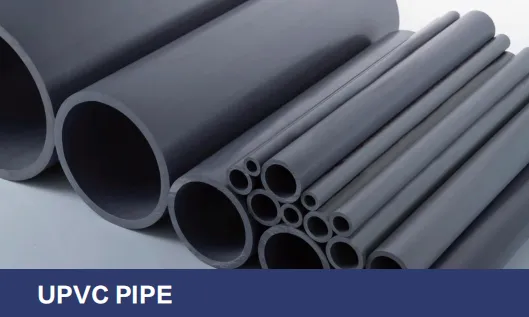
Picture this: you're walking through a modern laboratory or water treatment facility. Instead of mysterious metal pipes hiding what's flowing inside, you see crystal-clear tubes showing fluids moving like liquid glass. This transparency isn't just visually impressive – it's changing how we monitor critical processes.
Over years helping facilities upgrade their systems, I've seen the "aha moments" when teams realize clear UPVC pipelines give them real-time visibility they never had with traditional piping. That chemist watching for reactions? The plant manager ensuring water purity? They all benefit from seeing rather than guessing.
Unplasticized Polyvinyl Chloride (UPVC) is like the dependable cousin in the plastic family – rigid where regular PVC is flexible, exceptionally durable, and chemically resistant. When manufactured for transparency, it becomes the observant member of the team:
Don't let the clear appearance fool you – we're talking Schedule 80 thickness options that laugh at impacts while providing a direct view of fluids passing through.
Unlike metals that weaken against acids or alkalis, UPVC maintains integrity against the aggressive cocktails you find in labs and industrial settings.
Comfortable operating in the 33°F to 140°F range – covering typical lab conditions and ambient water treatment needs.
When your fluids can't risk contamination, these pipes won't leach or react, making them NSF-certified for drinking water applications too.
I remember visiting a pharmaceutical research facility where scientists were constantly stopping reactions just to check fluid clarity. The day they switched to clear UPVC was revolutionary. Suddenly, they could watch molecular dances unfold in real-time. Here's why labs are increasingly saying yes:
Picture watching a reaction in progress without opening the system – spotting nucleation before crystallization happens, catching air bubbles ruining an experiment, or seeing flow inconsistencies instantly.
That generic plastic pipe? It might leach compounds into your solvents. The "budget-friendly" metal fittings? They'll corrode faster than you can say "reactive agent." Clear UPVC joins the ranks of specialized equipment like BST UPVC joints that maintain purity and performance.
Water plants used to be mysteries – you'd measure inputs and outputs but never really see what happened between. Modern facilities using clear UPVC are like open books:
Seeing flow isn't just satisfying – it's critical. Operators can spot debris accumulation before clogs form, see chemical mixing imperfections, and identify sedimentation issues instantly.
When public health depends on water purity, visual confirmation beats delayed test results. Seeing that crystal-clear water flowing uninterrupted? That's confidence you can't buy.
From aquarium filtration checking for particulates to wastewater plants monitoring sludge consistency – seeing is solving. Even in your high-end pvc transparent pipe fittings systems, this clarity adds reliability.
During a brewery installation, I saw UV degradation firsthand – pipes turned slightly hazy over time. Lessons like these are important:
Outdoor installations need UV-shielded versions or protective coatings unless you want opaque tubes in a year.
Beyond 140°F? Things get risky. High-pressure steam applications should look elsewhere.
Residues or certain chemicals may diminish transparency over time – plan maintenance accordingly.
Watching a team struggle with solvent cement taught me: proper technique keeps clarity intact. Don't over-tighten BST-threaded joints either – trust the Teflon tape to do its job.
Develop cleaning protocols using compatible solutions – avoid harsh abrasives that micro-scratch surfaces. Regular inspections preserve visibility.
When recycling lab equipment, I discovered many facilities don't realize UPVC is recyclable through specialized programs. Beyond disposal:
A 20-year lifespan beats frequent replacements. Less water contamination means smaller environmental footprints too.
Unlike metal systems risking chemical corrosion leaks, these won't suddenly fail during pressure fluctuations. Fire-retardant properties provide extra peace of mind.
For labs and water treatment needing flow visibility? Absolutely consider clear UPVC. That researcher watching reactions unfold or plant operator spotting debris early – they can't do their magic with opaque pipes.
But be realistic about environment. UV-heavy areas need protection. Extreme temperatures demand alternative solutions. Still, when conditions align? The transparency advantage transforms monitoring from detective work to direct observation.
I've seen facilities upgrade from guesswork systems to these visual marvels. The wonder in an operator's eyes the first time they spot a clog forming from meters away? That's the proof no data sheet can match. You're not just installing pipes – you're installing confidence.
Recommend Products












