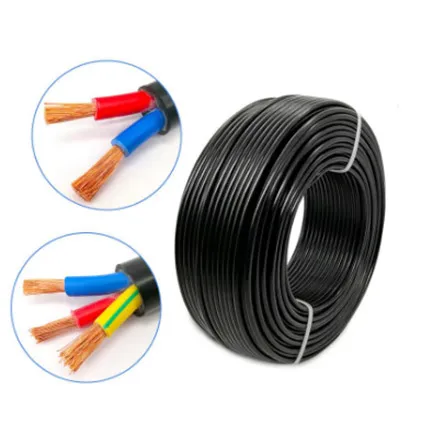
Scientific Analysis of Common Misconceptions
Ever been warned that aluminum wiring is a "fire hazard" waiting to happen? You're not alone. For decades, horror stories about aluminum-core
cables have circulated like urban legends in the electrical world. But what if we've unfairly demonized this cost-effective, versatile material? Let's unpack the real science behind aluminum
cables—free from fearmongering.
The Aluminum Advantage
Why Choose Aluminum Anyway?
Compared to its copper counterpart, aluminum offers some compelling perks:
45% lighter – crucial for large commercial projects where tons of cable run through ceilings
50% cheaper – major cost savings when wiring skyscrapers or factories
Superior corrosion resistance – lasts decades in humid climates
The Real Culprit: Not Aluminum, But Installations
Here's where things went wrong historically: Early aluminum wiring was installed exactly like copper. Bad idea. Thermal expansion? Aluminum expands 30% more than copper when heated. Screw terminals? Aluminum slowly "cold-flows" away from pressure points. These factors led to loose connections—the actual fire starters.
Modern Safety Fixes
How We've Solved Yesterday's Problems
Today's aluminum-core
cables bear little resemblance to their 1960s ancestors:
|
Composite alloys (AA-8000)
|
Reduced creep, better conductivity
|
|
Anti-oxidant gel coatings
|
Prevents corrosive oxidation at terminals
|
|
Torque-specific terminals
|
Prevents under/over-tightening
|
The Standards That Keep You Safe
Organizations like the National Electrical Code (NEC) and Underwriters Laboratories (UL) have evolved too. Modern requirements include:
Aluminum conductors must be at least 8 AWG gauge for branch circuits
CO/ALR-rated devices mandatory for all connections
Anti-oxidant compounds required at joints
Where Aluminum Excels Today
From skyscrapers to solar farms, aluminum-core
cables shine in applications where copper struggles:
Large-Scale Power Distribution
Ever wonder how utilities power entire cities? Look up—power lines are almost exclusively aluminum. Why? That weight-to-conductivity ratio lets them span miles between poles. A copper equivalent would collapse under its own weight.
Renewable Energy Systems
Solar panel arrays need lightweight, corrosion-resistant
cables that can handle outdoor extremes. Aluminum core
cables with proper UV-resistant jackets perform perfectly—and significantly reduce system costs.
Choosing Quality Over Myths
Should you grab the cheapest aluminum cable? Absolutely not. Quality matters immensely. Reputable
cable suppliers
(like those providing reliable
electrical equipment) test their products rigorously against:
1000-hour salt spray tests
Cyclical load testing (mimicking decades of expansion/contraction)
UL Subject 486 requirements for connector compatibility
For specialized projects like
architectural façade solutions or industrial complexes that demand unique cable specifications, always request mill certificates proving compliance.
Final Thought: Respect, Not Fear
Aluminum wiring isn't inherently unsafe—it's just more installation-sensitive than copper. With modern alloys, proper devices, and skilled electricians following code? You get safe, reliable power delivery that powers our world affordably. Maybe it's time we retire those electric boogeyman stories for good.