


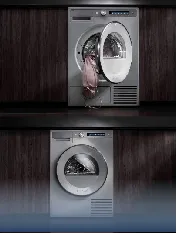
The steady hum of your washing machine. The reliable chill of your refrigerator. These appliances are silent partners in modern life, yet their environmental footprint often goes unnoticed. But here's something that might surprise you – 75% of a washing machine's weight comes from recyclable materials , with manufacturers actively reinventing how shells and casings are built today.
The Plastic Paradigm Shift
Gone are the days when appliance shells meant thick slabs of virgin plastic. Materials scientists have cracked the code on recycled PP plastics , transforming post-consumer waste into something extraordinary. Picture this: your old detergent bottles could literally become part of your next washing machine's sturdy outer casing.
3 Game-Changing Material Innovations
- WPC Composites: Wood-plastic hybrids that merge recycled polymers with agricultural waste fibers, creating surprisingly durable shells
- Nano-Reinforced Polymers: Upgraded recycled PP plastics fortified with microscopic additives that boost strength by 30%
- Self-Healing Coatings: Microcapsule technology that automatically repairs minor scratches on appliance surfaces
Inside the Recycling Revolution
The magic happens in facilities like the breakthrough plants described by Dong et al., where washing machines experience a second life:
Intelligent Disassembly
Robotic arms with AI vision identify PP components in under 3 seconds – separating them from metals and electronics with surgical precision
Friction Alkali Washing
A chemical dance perfected at 280 rpm and pH12 that dissolves adhesives while preserving material integrity
Polymer Rebirth
Decontaminated pellets get extrusion-coated with protective layers before becoming appliance shells stronger than their original form
Why This Matters to You
"But will my refrigerator last?" That understandable hesitation melts away when you see the data:
Homeowners like Clara Rodriguez experienced this firsthand: "Our new washer arrived with this beautiful marble-effect casing – discovering it came from recycled yogurt containers made us love it even more."
Navigating the Roadblocks
Challenge: The Rare Earth Conundrum
NdFeB magnets in washer motors will consume ~1,500 tonnes of critical rare earths by 2030. How can we reconcile motor demands with sustainability?
Solution: Urban Mining & Modular Design
Companies like Haier now build magnets within removable cartridges – enabling recycling without appliance destruction.
"The future isn't in making greener products, but in making products that belong to infinite material loops" – Lena Schmidtko, Circular Design Director at Bosch Home
When Your Appliances Shape the World
Every refrigerator shell made from recycled content creates ripples beyond your kitchen:
Tons of plastic waste diverted annually through appliance recycling
Reduction in manufacturing water usage with closed-loop PP
Projected market value of circular appliance materials by 2028
The Next Frontier: Self-Sustaining Appliances
Phase-Change Materials
Refrigerator shells that actively store thermal energy like a battery
Photovoltaics Integration
Washer tops covered in organic solar film – powering their own lights
Bio-Plastic Revolution
Casing materials derived from algae that capture CO2 as they cure
The beautiful irony? These innovations trace directly back to the washing machine recycling breakthroughs we're implementing today.
Rethinking Our Silent Helpers
Tomorrow's appliances won't just clean clothes or cool food – they'll embody environmental restoration. As we embrace circular material flows, our washing machines become silent activists against waste, and refrigerator shells transform into monuments of sustainability. That polished surface? It's a story waiting to be told.










