
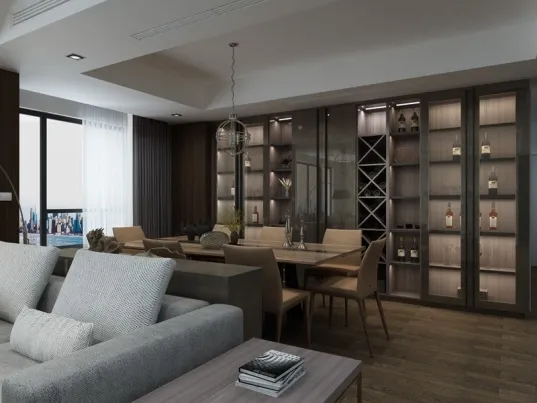
You know that feeling when you walk into a room and your eyes immediately land on that stunning glass display? It captures the light just right, showcases your treasures beautifully, and transforms ordinary storage into a visual masterpiece. That's the magic of incorporating glass elements into customized furniture. Today, we're exploring how glass elevates wine cabinets and bookcases from practical storage to design statements that make your home uniquely yours.
Remember the old solid-wood cabinets that dominated living rooms and dining spaces? They did their job but felt heavy, both visually and physically. Enter the glass revolution - transforming how we display and store our most valued possessions. Glass cabinets aren't just functional; they're storytellers. Those wine bottles aren't just alcohol; they're memories of vineyards visited. Your books aren't just paper; they're journeys waiting to be revisited.
This shift toward transparent displays comes down to something fundamental: we've become curators of our own spaces. We want to see our collections even when we're not using them. Whether it's displaying Grandma's antique glasses or showing off your carefully curated wine vintages, glass elements elevate storage into an art form. The trick? Doing it thoughtfully so your cabinets work as hard as they look good.
Wine cabinets aren't just storage; they're miniature climate-controlled art galleries. The glass you choose impacts both function and mood. Clear glass is the classic choice - letting you admire your collection without visual barriers. But let's talk about tempered glass specifically - this toughened material isn't just safer; it gives you peace of mind knowing accidental knocks won't lead to disaster.
Ever notice how wine stores use those perfectly placed spotlights? You can recreate that magic at home. Low-heat LED strips tucked along shelves create that floating bottle effect. But placement matters as much as the lights themselves:
Remember wine's worst enemy? It's not heat or movement - it's ultraviolet light destroying delicate compounds. UV-protected glass isn't a luxury; it's preservation science guarding your investment.
Those little metal touches aren't afterthoughts; they're signature elements. Sleek satin nickel handles whisper sophistication while antique bronze says heritage. And here's a trade secret: cabinet hardware matters even more with glass than solid wood. Since your eye travels through the glass, handles become prominent jewelry pieces. Ever considered integrated finger pulls? They vanish visually for that pure glass-box experience.
Then there's the unsung hero: weather stripping. Invisible insulation keeps the humidity where your wines need it while sealing out kitchen smells or basement dampness. Magnetic closures give that satisfying whisper-soft click while guaranteeing perfect seals.
When designing bookcases, glass shelving does the impossible: makes collections accessible while protecting them. Thicker tempered glass (19mm+ prevents sagging under heavy art books) maintains visual lightness. Frosted shelf surfaces reduce fingerprints and hide less-perfect book bottoms.
But here's what most don't consider: glass shelves need edge treatment. Polished edges glow under lighting while beveled cuts throw tiny rainbows. And those corner supports? Opt for minimal metal brackets or transparent acrylic supports that practically disappear.
The great enemy of books? Dust bunnies settling into crevices. Glass doors solve this elegantly while showing off colorful spines. But not just any sealing - look for thin silicone gaskets along door edges forming invisible barriers. Combined with tighter cabinet construction and you'll dust half as often.
Reading nook or display gallery? Your lighting approach changes accordingly. Warm (2700K-3000K) downlights make reading comfortable while cool (4000K+) spotlights make covers pop. Clever solutions include:
What separates custom pieces from store-bought? Those touches whispering "this is mine." Glass offers unique personalization options. Etching transforms doors into canvases - monograms, vineyard scenes, or abstract patterns catching the light. Some homeowners use wine regions maps etched onto glass as conversation starters.
Hardware becomes signature jewelry - hand-forged iron pulls echoing other metal elements in your home. Even unexpected shapes speak personality - curved glass corners soften modern spaces while hexagonal enclosures make geometric statements.
Glass doesn't just display well; it performs spatial miracles. That awkward sliver between walls? Frameless glass cabinets slot in perfectly. Narrow hallways transform with shallow display cases using mirrored backs to multiply space visually. Even challenging sloped ceilings accommodate angled glass tops gracefully.
Modular glass systems shine brightest in constrained spaces. Add units as collections grow. Mix closed bases for storage with open glass displays above. The beauty? Glass harmonizes with existing furniture rather than competing visually.
High-performance wine cabinets need more than pretty faces; they're science projects requiring precise environments. Dual-paned glass creates insulating air barriers that keep temperatures stable - crucial for expensive vintages. The seals around those glass doors must do double duty: keeping humidity constant while looking minimalist enough not to distract.
You've seen those gorgeous cabinets whose shelves frost over? That's condensation control failure. Specialty low-E coatings prevent this by balancing thermal transfer. It's invisible technology protecting both your wines and the view.
Glass plays well with others when paired thoughtfully. Weathered wood bases ground glass displays in earthy warmth. Metal frames in matte black or brass make displays pop against walls. Stone accents like marble bases offer timeless elegance.
Contemporary spaces might choose monochromatic schemes - gray glass shelves against smoked oak frames creating subtle tonal play. Traditional homes might mix curved glass doors with ornate metalwork - old-world charm meets visibility. The unifying element? Glass always keeps collections visible.
Maintaining that flawless look isn't hard with the right approach. Microfiber cloths with distilled water avoid streaks. Skip paper towels; they leave micro-scratches. Specialty glass cleaners without ammonia won't harm seals or finishes.
Scratches happen but don't panic. For light marks, cerium oxide polishing compounds restore clarity. Deeper damage? Tempered glass must be replaced entirely rather than repaired - a design reason to avoid placing cabinet fronts where vacuum cleaners or dogs might bump them.
Glass versatility shines beyond wine collections and books. Home offices benefit from glass-fronted cabinets hiding tech clutter while showing decorative items. Bathrooms transform with mirrored medicine cabinets using tempered glass shelves that resist humidity. Even garage workshops gain style with tool displays behind sturdy glass doors.
Bedrooms become galleries with glass cases displaying jewelry or memorabilia. The secret? Frosted back panels soften displays while LED strips create museum-quality lighting.
Designing with glass isn't about following trends; it's about expressing your relationship with your collections. That wine cabinet becomes a diary of travels. Those bookcases reflect your intellectual journeys. Glass bridges the gap between preservation and display.
Start by considering what you love seeing daily. Which book spines make you smile? Which wine labels hold stories? Glass protects these while keeping them visually present. Work with designers who understand how glass functions under different lighting conditions and structural loads.
The magic happens when engineering enables beauty. Insulated glass keeps temperatures consistent while looking flawless. Precision sealing keeps dust out without bulky visible gaskets. It's invisible technology serving your treasures.
There's a solid reason glass elements remain timeless while furniture trends come and go. They adapt. That wine cabinet might showcase vintages now but could transition to cocktail glass displays later. Bookcases become curio displays without structural changes.
Unlike painted surfaces fading or wood styles dating, glass remains quietly contemporary. It reflects our desire to blend preservation with accessibility. We no longer hide valued things away; we integrate them into daily life. Our collections tell stories about who we are and where we've been. Glass provides the frame for those narratives.
So when considering your next wine cabinet or bookcase, look beyond mere storage dimensions. Think about how glass elements can transform practical furniture into personalized gallery spaces. What will you display?
Recommend Products












