

You know that feeling when you walk into a space and immediately feel embraced by its warmth? It's not just about temperature—it's about texture, materials, and how they connect with our senses. That's where Wood-Plastic Composite (WPC) wall panels come into play, transforming ordinary interiors into warm, textured sanctuaries. These innovative panels bridge the gap between nature's charm and modern durability, giving designers and homeowners incredible flexibility to create spaces that genuinely resonate with us.
In this exploration, we'll dive deep into how WPC wall panels elevate interior spaces. We'll move beyond technical specifications to show you how they bring life to walls through tangible textures and visual warmth. Whether you're renovating a cozy home library, designing a high-end restaurant, or revamping a hotel lobby, you'll discover how these panels create environments that welcome people in and keep them comfortable.
So what exactly makes these panels special? At their core, WPC wall panels blend wood fibers with thermoplastic polymers—think recycled plastic and reclaimed wood particles joining forces. This combination creates panels that capture wood's inherent beauty while avoiding its downsides. Unlike solid wood, these won't warp or rot when exposed to humidity. Unlike stone, they're lightweight and won't strain your walls. And unlike paint, they create dimensionality that transforms flat surfaces into tactile experiences.
Your Texture Toolkit: WPC Panel Varieties
WPC panels come alive through their textural diversity. Here's how each type contributes to interior atmospheres:
These panels recreate wood's organic beauty so authentically you'll do a double-take. Run your hand across one—you'll actually feel the grain patterns beneath your fingertips. Oak, teak, walnut—they capture each wood species' personality perfectly. Perfect for creating a study that feels like a cozy mountain cabin or a dining area that channels rustic Tuscan charm.
For contemporary spaces craving movement, 3D panels play with light and shadow. Their dimensional patterns—whether subtle ridges or dramatic peaks—cast evolving shadows throughout the day. Install them in an entryway where afternoon sun creates dramatic reveals, or wrap a modern dining room to spark conversations.
Where heavy use meets style, these dense panels deliver. Their weighty feel translates to acoustic benefits too—they naturally absorb sound in noisy spaces. Kitchens, laundry rooms, busy hallways—anywhere durability matters—these become workhorse walls that still look beautiful.
When humidity would spell doom for drywall or wallpaper, these panels laugh it off. Completely impervious to moisture, they bring warmth to steamy bathrooms and damp basements without fuss. Picture walking into a spa-like bathroom with textured panels that look like weathered wood—but completely safe from steam damage.
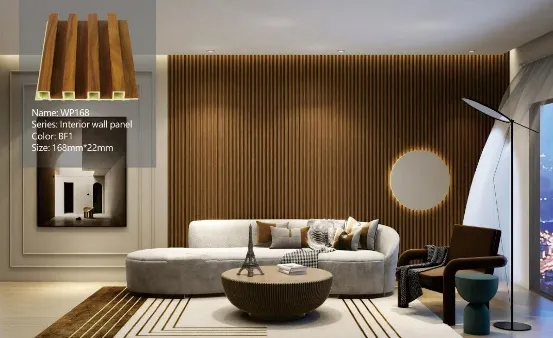
Living rooms thrive on warmth and texture. Try WPC panels behind media consoles to add depth that flat paint can't achieve. Angle-layering 3D panels creates rhythm on feature walls, while deep wood-grain textures make tall ceilings feel more intimate. Remember that apartment living room with the vaulted ceiling? After installing vertical walnut-effect panels, the couple shared how it finally felt grounded and human-scaled.
Your bedroom should whisper "rest," not shout "sterile." Headboard walls wrapped in warm-toned panels literally bring comforting textures within reach. For kids' rooms, playful geometric patterns spark imagination without chaotic colors. That client with chronic insomnia? After installing horizontally laid, soft-touch panels surrounding the bed, she reported the space finally felt like a sleep sanctuary.
Between spills and steam, kitchens demand resilience—but nobody wants sterile environments. Waterproof WPC panels create backsplashes that invite touch, replacing cold tile grout lines with continuous warmth. Use vertical grain patterns behind open shelving to visually lift the space. That waterfront restaurant with humidity issues? After installing marine-style shiplap-effect panels around dining booths, guests constantly compliment the "coastal authenticity"—blissfully unaware they're touching durable polymer, not weathered wood.
Steam rooms deserve better than tiled boxes. Waterproof WPC panels create entire shower enclosures that resist moisture and mold, turning functional spaces into wellness retreats. Picture deep-textured panels behind freestanding tubs where flickering candlelight dances across relief patterns, turning bath time into therapy. After installing such panels, one client confessed she'd finally stopped dreaming about bathroom renovations—the space felt "complete."
Productivity blossoms in human-centered spaces, not sterile boxes. Conference rooms wrapped in acoustic-friendly panels cut echo while projecting sophistication. Reception areas benefit from warm wood-grain installations that welcome visitors. That startup office with soaring ceilings and noise issues? After installing vertically ribbed panels between workstations, employees reported feeling calmer—both from visual warmth and reduced chatter echoes.
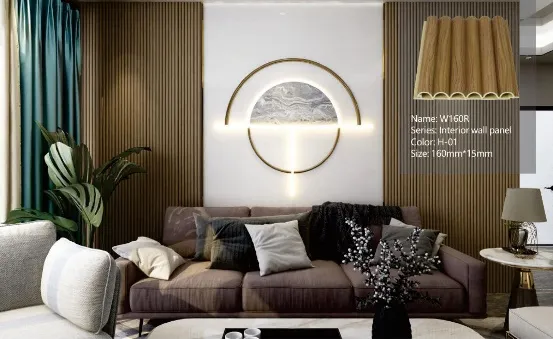
We're tactile creatures craving authentic experiences. Unlike cold tiles or featureless paint, textured WPC panels engage our sense of touch—a layer often neglected in modern designs. When hotel guests run fingers along hallway panels, their experience shifts from visual to physical—creating memorable moments that five-star reviews mention.
Lighting's Secret Dance with Texture
Light transforms textured panels throughout the day. Morning sun skimming across 3D ridges creates long shadows, evoking moody drama. Evening downlights graze wood-grain panels to reveal hidden depths. For that coastal boutique hotel, angling adjustable spotlights across driftwood-effect panels made guests swear they smelled salt air—proving how light and texture work together to create unforgettable experiences.
Beyond Looks: Practical Benefits That Matter
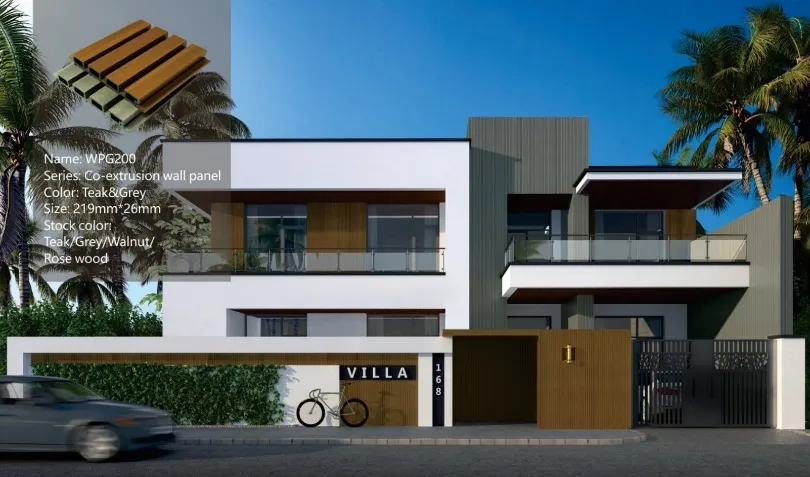
Combining texture with warm colors amplifies emotional impact. Rich walnuts and deep charcoals intensify when enhanced by grain patterns. In cooler palettes, ash gray panels with pronounced grains offset potential sterility—important in minimalist designs avoiding coldness.
How panels meet walls affects spatial feelings. Horizontal installations create cozier environments in lofty spaces—think bringing those tall ceilings "down" to human scale. Vertical applications lift cramped rooms visually. Diagonals add movement to mundane corridors—experimentation here pays off emotionally.
Blending panels with existing materials creates layered sophistication. Floating wood shelves over wood-grain panels feel unified. Contrasting WPC's contemporary lines against exposed brick creates compelling tension—each material's authenticity shines through, demonstrating how design choices speak to guests emotionally.
Caring for these panels resembles maintaining fine wood furniture, minus the headaches. Dust occasionally with microfiber cloths. Wipe smudges with barely-damp cloths—no soaking! Mild soap handles stubborn spots without fading finishes. Those restaurants using textured panels? Cleaning crews finish faster, then admire how light continues playing across surfaces they just wiped down.
Long-lasting materials deserve thoughtful integration. When renovating that heritage building, designers kept original trim and moldings—simply updating surfaces with WPC panels between them. The approach honored history while modernizing functionality—something residents deeply appreciated emotionally beyond aesthetics.
At day's end, interiors should nurture us—they should feel like havens from the world's chaos. WPC wall panels uniquely address this emotional need through textural authenticity and visual warmth. They transform sterile boxes into comforting spaces where visitors sigh in relief—literally feeling the change physically.
Whether you're selecting panels with barely-there grains for subtle backgrounds or bold 3D reliefs as statement installations, remember: textures make interiors feel lived-in rather than merely observed. They engage our senses more completely, creating memorable experiences people associate with genuine wellbeing.
For designers seeking this emotional resonance, WPC offers solutions beyond technical merits. It provides tools for crafting interiors where textures welcome touch, colors soothe spirits, and spaces feel like extensions of our best selves—authentic, warm, and profoundly human. That's the ultimate goal, isn't it? Creating environments where people finally feel truly at home.
Recommend Products











