
Hey there! If you've ever wondered how the oil flowing through massive pipelines doesn't just rust away and cause environmental disasters, you're in the right place. Today we're diving into the fascinating world of cathodic protection (CP) and how solar energy is revolutionizing this unglamorous-but-crucial technology. And here's the kicker: it's not just eco-friendly—it's also increasingly becoming the smartest business choice for pipeline operators worldwide.
Imagine miles of steel tubing buried underground or running across deserts, jungles, and oceans. That steel is constantly under attack from corrosion—nature's way of turning metal back into ore. Left unchecked, corrosion causes leaks leading to environmental damage, costly repairs, and even catastrophic failures. Industry reports estimate global corrosion costs exceeding $2.5 trillion annually. Yeah, you read that right— trillion .
Enter cathodic protection: a technique dating back to 1824 that essentially makes the pipeline the "cathode" in an electrochemical cell. By controlling electron flow, we prevent corrosion before it starts. But here’s the catch: CP systems need constant, reliable power. Traditionally this came from grid electricity or gas generators, which poses problems in remote pipeline sections crossing deserts or mountains.
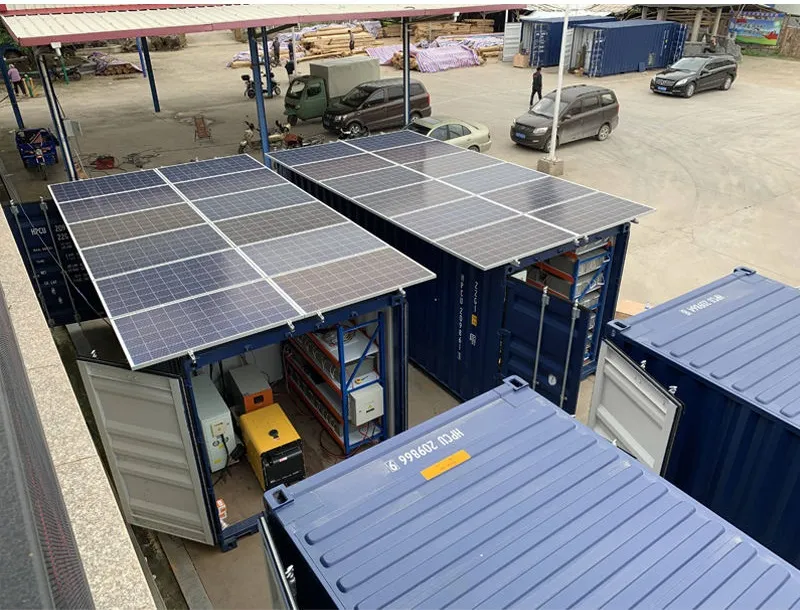
This is where solar panels enter the picture. Solar-powered cathodic protection (PVCP) isn't just an eco-statement—it's a technological breakthrough for reliability and economy. Systems typically consist of:
There are two main CP approaches. The simpler sacrificial anode method uses metals like zinc or magnesium that corrode instead of the pipeline—like taking a bullet for a friend. It works well for smaller systems but has limitations:
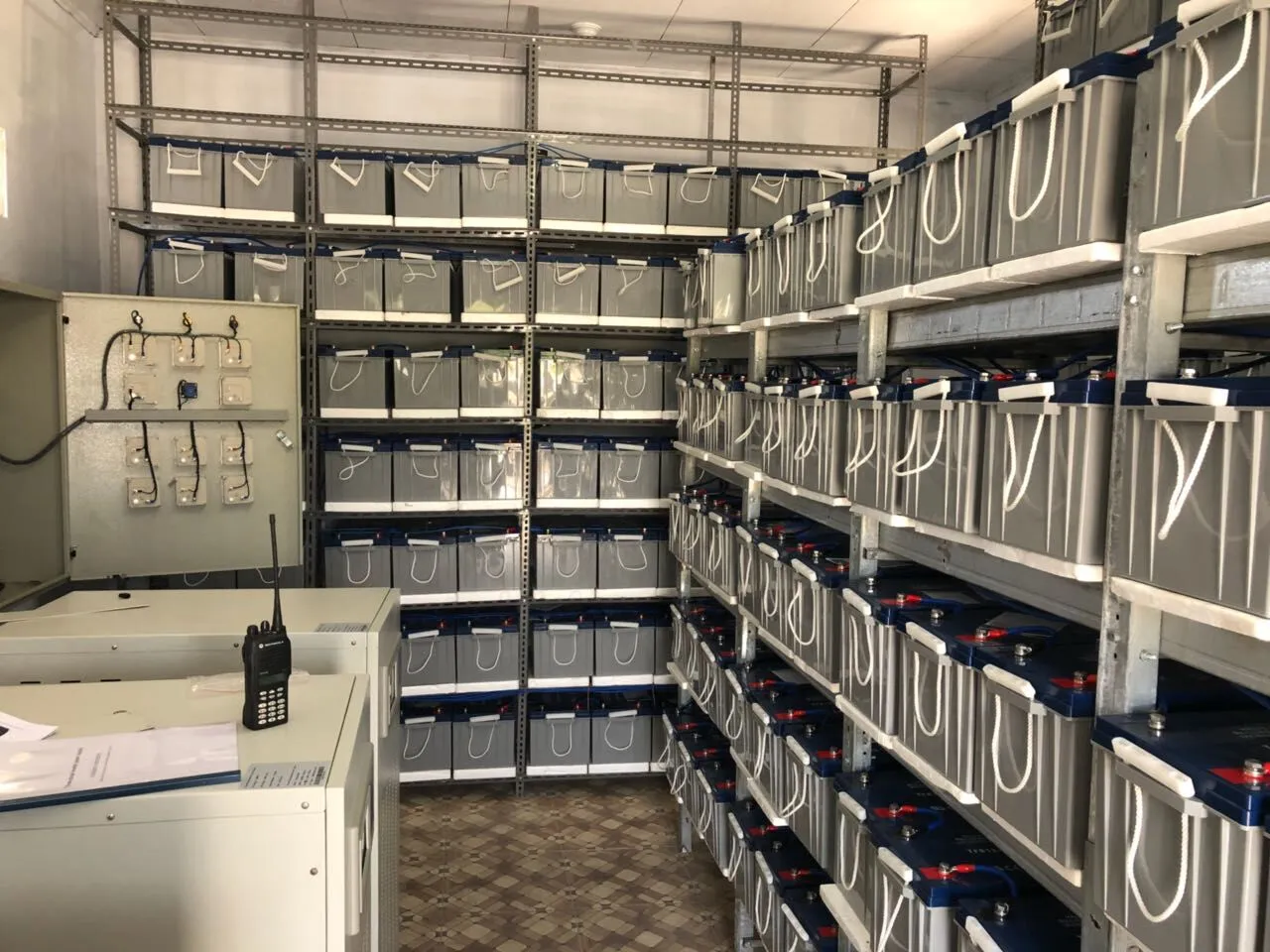
That's why most critical oil infrastructure uses Impressed Current Cathodic Protection (ICCP). Solar-powered ICCP systems contain:
Modern PVCP controllers automatically adjust voltage based on sensor feedback. MPPT ( M aximum P ower P oint T racking) tech optimizes solar energy harvesting even on cloudy days. Many systems now feature satellite-based remote monitoring that texts engineers if anything goes wonky—no more driving hundreds of miles for routine checks.
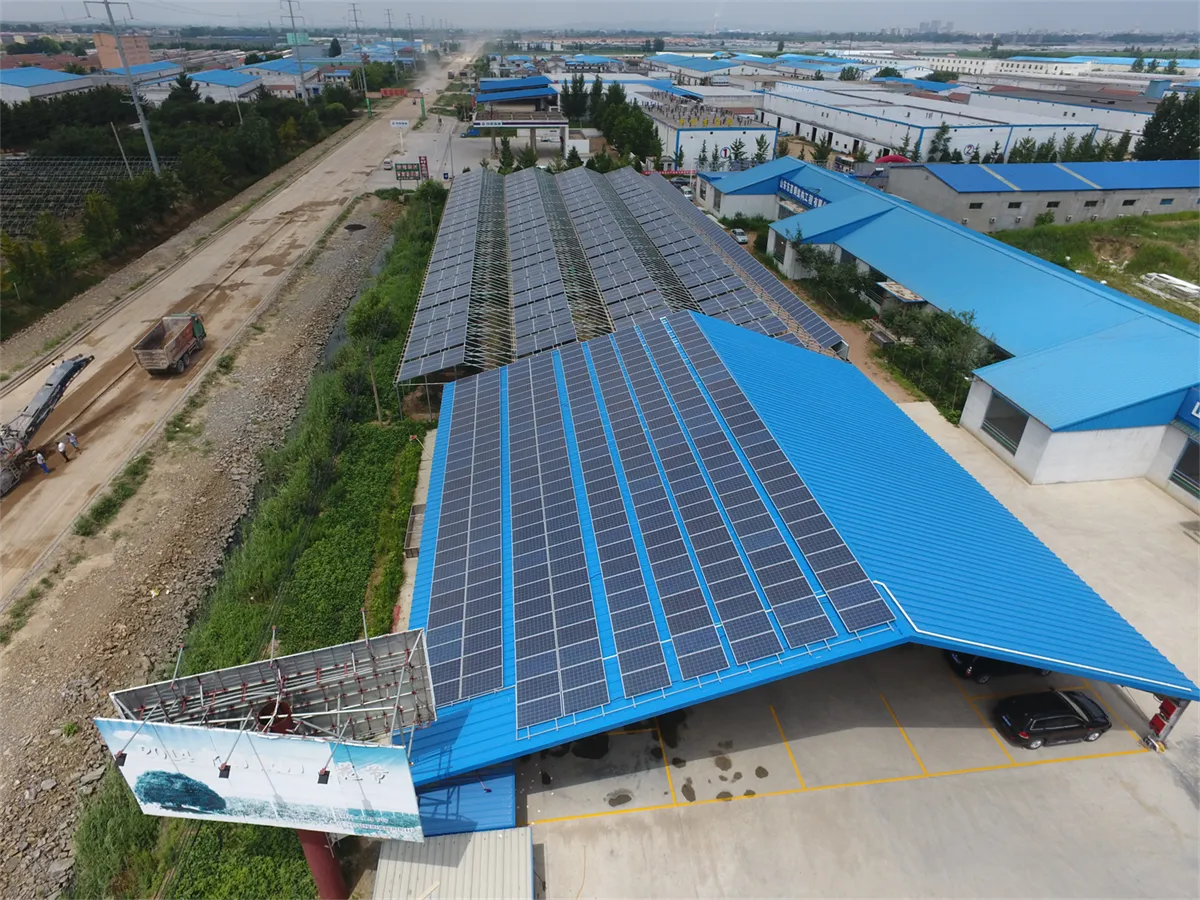
A landmark 2024 Springer study analyzed solar CP efficiency in desert environments. Researchers compared traditional gas-generator systems versus solar:
Installing solar CP isn't without hurdles. Dust accumulation on panels in arid regions can reduce efficiency by 15-30%. But clever solutions have emerged:
Case in point: Saudi Aramco now uses hydrophobic coatings that make dust slide off panels like water off a duck's back. Combined with strategically angled mounts, they've maintained over 98% efficiency since deployment.
The revolution isn't slowing down. With flexible perovskite solar panels becoming commercially viable, we're seeing CP systems that contour to pipeline shapes without dedicated plots. Battery tech advances promise 72-hour backup capacity in palm-sized units. And AI integration means systems will soon predict corrosion hotspots before they form.
One thing's crystal clear: protecting critical energy infrastructure no longer means choosing between reliability and sustainability. Solar-powered cathodic protection delivers both—keeping oil flowing safely while harnessing the sun's infinite power. Now that's a bright idea we can all get behind.
Recommend Products












