
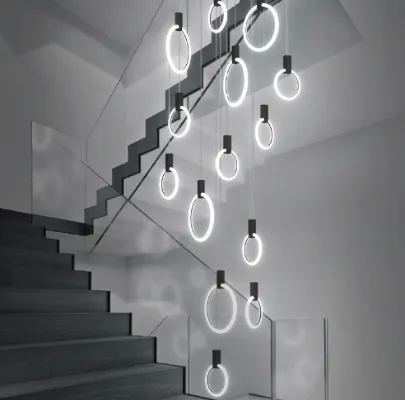
The world of lighting technology has undergone a revolutionary transformation with the integration of smart sensors and human body detection capabilities. The combination of innovative sensor technology and modern architectural lighting solutions is redefining how we illuminate staircases and corridors while dramatically reducing energy consumption.
Lighting technology has come a long way since Edison's incandescent bulb. Today's cutting-edge systems represent a perfect marriage between sensor technology, energy-efficient LEDs, and intelligent control algorithms. Human body sensing LED lights operate on a simple yet brilliant principle: they remain in standby mode when not needed, activating immediately when motion is detected, then returning to their low-power state after a predetermined timeout period. This technology transforms traditional lighting from a constant energy drain to an intelligent, on-demand service.
Modern motion sensors primarily use infrared technology to detect body heat signatures. Advanced versions incorporate microwave detection for enhanced accuracy through obstacles. These sensors connect to sophisticated LED controllers that manage brightness levels based on ambient light conditions. The latest iterations feature self-learning capabilities that adapt to usage patterns - they can even distinguish between human presence and false triggers like pets or moving curtains.
Passive Infrared (PIR) technology forms the backbone of most motion-sensitive lighting. The moment you enter its detection zone, specialized pyroelectric sensors detect infrared radiation emitted by your body. This triggers a cascade of signals:
Advanced systems layer microwave radar with PIR technology, creating a sensor fusion approach that enables detection through thin barriers while maintaining precision. This is particularly valuable in complex architectural environments.
A 22-story corporate building achieved 84% energy reduction in its stairwells after deploying a tiered sensor network. The system featured:
The layered approach maintained lighting flow ahead of movement while eliminating dark zones between detection areas.
The financial and environmental impact of intelligent lighting systems is staggering. Traditional corridor lighting typically operates at 100% capacity regardless of occupancy. Smart sensor alternatives reduce operational time to just 5-15% of each 24-hour cycle. This translates to:
| System Type | Daily Usage | Annual Energy Use | CO2 Reduction |
|---|---|---|---|
| Traditional Lighting | 24 hours | 3650 kWh | 0% |
| Basic Motion Sensors | 3 hours | 456 kWh | 87% |
| Advanced Multi-Sensor | 1.5 hours | 228 kWh | 94% |
Contemporary intelligent lighting systems incorporate features that would have seemed like science fiction just a decade ago:
Photocell sensors constantly measure ambient natural light, automatically adjusting LED output to maintain consistent illumination levels. This is especially valuable in corridors with windows, where traditional lights would waste energy competing with daylight.
Machine learning algorithms analyze historical usage patterns to predict movement flows. Fixtures activate a moment before human arrival by "pre-lighting" paths based on typical schedules and behaviors. This creates a seamless, runway-like experience where the next step is always illuminated.
Lights equipped with advanced detection technology can determine movement direction. When walking down a corridor, fixtures ahead activate while those behind gradually dim, creating an intuitive energy-saving "bubble" of light that moves with the person.
The synergy between smart sensor technology and efficient LED lighting has evolved beyond mere motion detection to become intelligent environmental management systems. These solutions not only save energy but also enhance spatial awareness and safety through light communication.
Implementing human sensing lighting requires careful consideration of both physical and technical constraints. Retrofitting historical buildings presents unique challenges for sensor placement and wiring. Modern constructions often integrate the technology during design phases, embedding sensors and control systems into the building infrastructure.
Architectural features like columns, decorative elements, or varying ceiling heights can create shadow zones. Strategic placement of secondary sensors and wireless mesh networking ensures seamless light activation without triggering every fixture unnecessarily.
Precision optical controls ensure illumination reaches where needed without creating glare or light pollution. Advanced waveguide technology directs light precisely onto steps and walkways rather than scattering it into windows or eyes.
The next generation of lighting systems will integrate contextual awareness using multiple data sources:
A public housing development implemented a sensor network covering 8 kilometers of communal corridors. The system:
The project demonstrates how safety and energy efficiency can coexist through thoughtful design.
While energy efficiency drives adoption, smart lighting delivers multiple secondary benefits:
Properly illuminated staircases reduce accident risks significantly. Smart systems maintain minimum light levels during power outages and can create emergency exit paths automatically during crises.
Central monitoring identifies failing fixtures before complete burnout. Usage data helps predict optimal maintenance schedules, while self-diagnosing systems report issues proactively.
Gradual activation sequences prevent harsh light transitions. Night-time navigation features provide subtle pathway lighting without disrupting circadian rhythms.
Successful deployments follow strategic approaches:
Dividing large corridors into detection zones prevents lighting an entire corridor for one person. Staircases require special attention to landing zones and step highlighting.
Smart controllers allow programming custom light-response curves including fade-in times, duration, and dimming levels based on the time of day.
Strategic implementation goes beyond technology to consider user experience. The most successful installations combine reliable detection with intuitive light behavior that people barely notice - until it's gone.
An 800-acre campus replaced stairwell lighting across 57 buildings with smart LED systems:
A 1,200-bed hospital implemented zoning controls and presence detection:
The integration of human body sensing technology with LED lighting represents one of the most accessible and impactful energy-saving solutions available today. By transforming passive lighting infrastructure into responsive systems that react to human presence, we achieve unprecedented energy conservation without compromising functionality or safety.
As the technology evolves toward predictive systems that anticipate movement patterns and integrate with broader building intelligence platforms, the potential for energy conservation expands significantly. The staircases and corridors of tomorrow will feature light systems that guide, communicate, and conserve in ways we're only beginning to imagine.
The revolution in energy-efficient lighting isn't just about technological innovation - it represents a fundamental shift in how we think about environmental responsibility. These smart sensor lighting systems deliver tangible returns while creating safer, more intuitive spaces. From reducing carbon footprints to preventing nighttime falls, intelligent lighting exemplifies how technology can simultaneously solve economic, environmental, and human challenges through thoughtful implementation of architectural lighting solutions .
Recommend Products












