
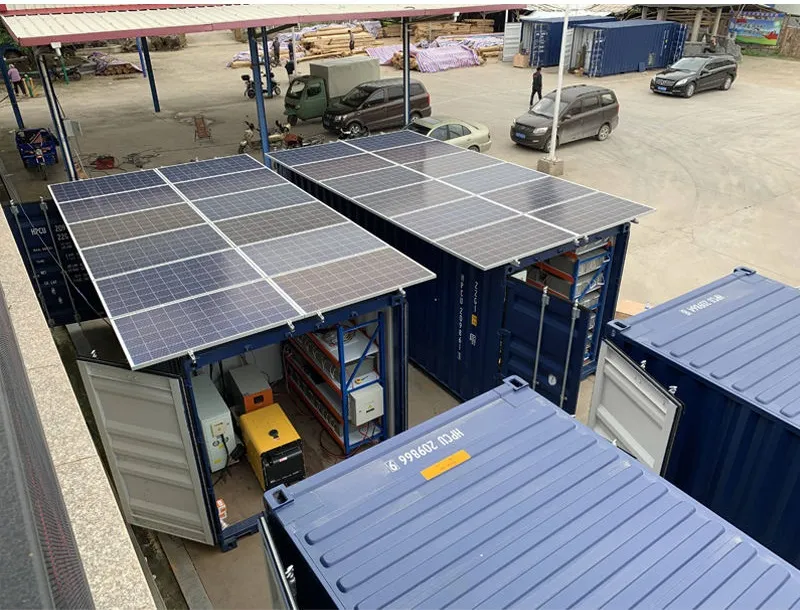
How transparency and accountability are revolutionizing the renewable energy landscape
You know that feeling when you flip a light switch and just assume the electricity will be there? Most of us never stop to think about where that energy actually comes from or how it traveled to our homes. Well, a quiet revolution is happening in how we track energy origins, especially with solar power. Blockchain isn't just for cryptocurrencies anymore—it's becoming the backbone of a greener energy future.
The solar industry has exploded in recent years. From rooftops in California to massive solar farms in the Sahara, photovoltaic panels are popping up everywhere. But here's the hitch: nobody really knows the full story behind these panels. Where were the minerals mined? What factories assembled them? How much carbon was emitted during shipping? This supply chain murkiness is exactly where blockchain technology steps in.
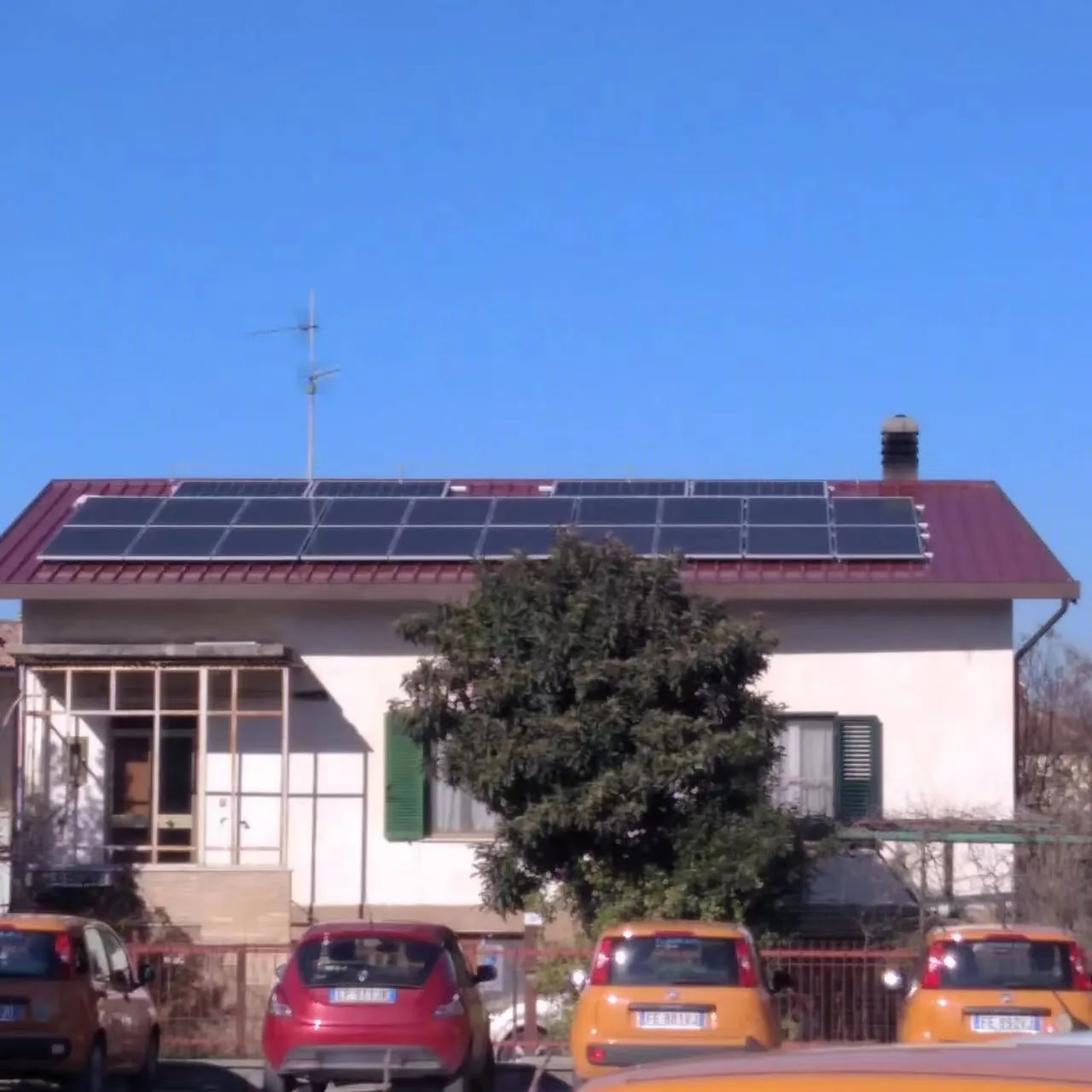
Let's be honest—the journey of a solar panel looks less like a tidy flowchart and more like a tangled ball of yarn. From quartz mines to silicon refineries, glass factories to assembly plants, components might cross a dozen borders before installation. I've seen firsthand how this complexity creates three big headaches:
Imagine trying to track a solar panel's journey using paper certificates and PDF reports. That's what suppliers deal with today. It's messy, inefficient, and about as reliable as a weather forecast for next month. I once watched a manufacturer spend three weeks hunting down a single component's certification—time they could've spent producing clean energy.
When companies claim "ethical sourcing" or "low-carbon manufacturing," who actually verifies this? Without ironclad proof, these claims start smelling like greenwashing. I've interviewed procurement managers who openly admitted they're taking suppliers' eco-claims on faith—because they have no practical way to confirm them.
Consumers aren't the only ones left in the dark. When a factory in Country X replaces high-efficiency components with cheaper alternatives, or when shipping routes get rerouted to save costs (increasing carbon footprint dramatically), these changes ripple through the system invisibly. Installation companies end up with performance issues, warranty disputes, and unhappy customers.
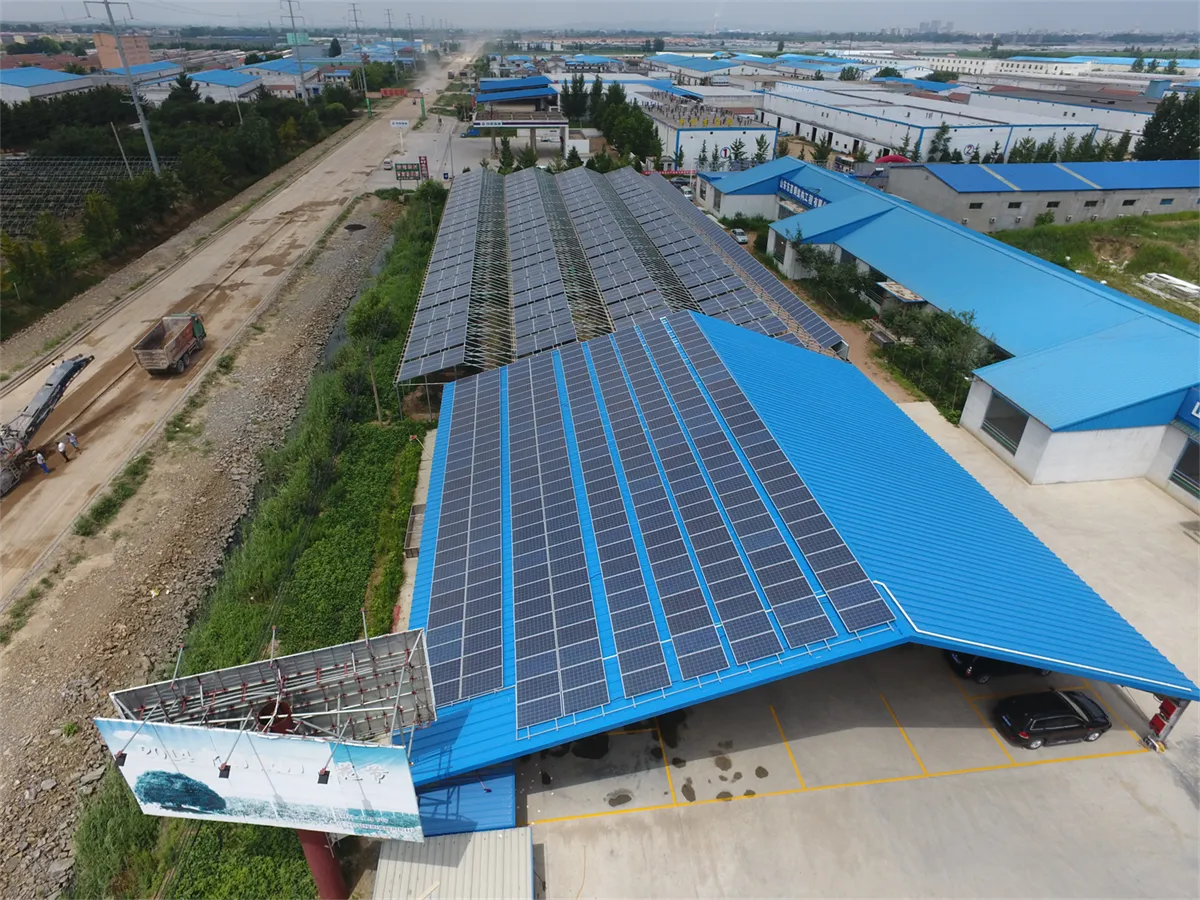
So how does this blockchain thing actually solve our solar supply chain mess? Think of it as a digital ledger that's:
But let's move beyond theory. Imagine a solar panel component leaving a silicon plant in Norway. At that moment, workers scan a QR code, logging:
This creates the first "block" in the chain. When the component arrives at a glass factory in Germany? Another scan, adding location data and processing details. Each step builds an unbroken digital history that tracks the panel from cradle to installation . No paper, no doubts, no backdoor alterations.
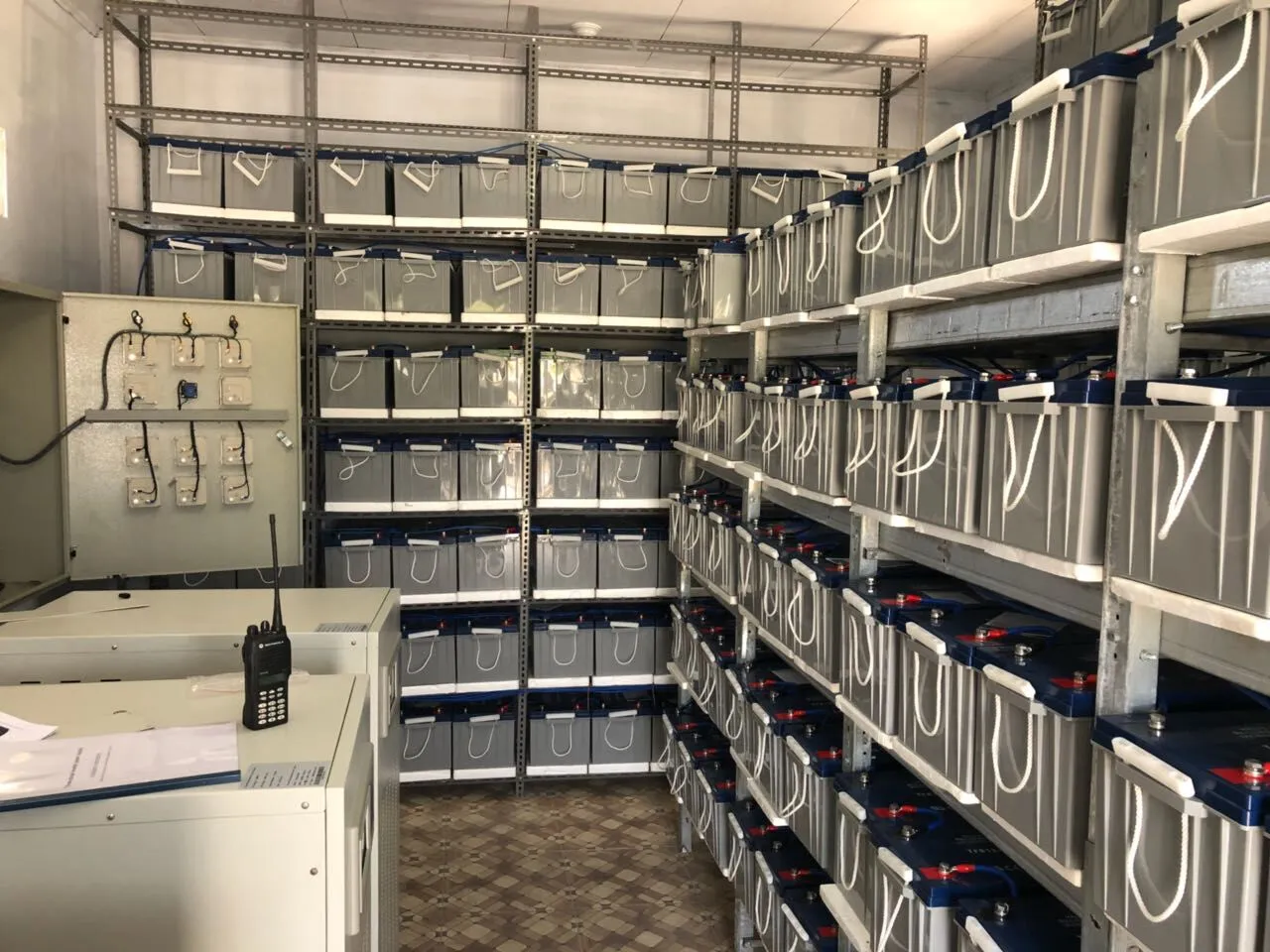
This isn't futuristic speculation—it's happening right now. Brooklyn Microgrid isn't just another energy project; it's a glimpse at our energy future. Using blockchain, residents with solar roofs sell excess power directly to neighbors. But here's the kicker: everyone sees exactly where each kilowatt-hour originated. Solar credits become tangible assets, tracked as meticulously as stock market transactions.
In rural Thailand, communities historically reliant on diesel generators now operate solar microgrids powered by blockchain. Villagers I've spoken to describe finally having transparency on three fronts:
This transparency built trust where skepticism once flourished—proving blockchain isn't just for tech hubs.
Major solar manufacturers are now embedding carbon tracking directly into panels via blockchain. Sensors monitor temperature, output, and degradation, while supply chain data calculates true lifetime emissions. Consumers pull up an app and see a visual journey map revealing environmental impact. This level of detail wasn't possible with traditional tracking.
Now, let's not pretend this transition is all smooth sailing. Three obstacles still trip up adoption:
Early blockchain implementations struggled with transaction speeds. Processing component verification across global supply chains slowed systems. But solutions like Ethereum's proof-of-stake protocol are already cutting energy use while speeding transactions. It's like upgrading from dial-up to broadband.
Some manufacturers treat supply chains like confidential recipes. Blockchain's transparency terrifies them. I've witnessed executives at industry conferences debating what data to share. But a new generation sees transparency as competitive advantage—proving ethical sourcing attracts customers.
Imagine Amazon, FedEx, and DHL developing separate tracking apps that don't communicate. That's today's blockchain landscape. Leading solar consortiums are developing shared protocols. The goal? A unified tracking standard making panel histories accessible regardless of the blockchain platform used.
The real magic happens when blockchain collaborates with other emerging technologies:
Embedded sensors automatically log temperature, humidity, and impacts during shipping—feeding data directly into blockchain ledgers. During Bangkok flooding last year, sensors detected water damage before installation. The blockchain ledger triggered automatic reorders while alerting quality control.
Analyzing blockchain data, AI spots patterns humans miss. One manufacturer reduced component failures 17% when AI correlated specific factory batches with early failures. Predictive maintenance schedules now auto-update based on performance history preserved in blockchain records.
Solar projects historically struggled with financing. Now? Each panel becomes a traceable digital asset. Investors buy tokens representing verified solar panels. Returns automatically distribute via smart contracts—no intermediaries—making solar investing democratic. It's Kickstarter meets Wall Street.
What does the future hold? Picture buying solar panels like buying organic apples at a farmer's market—with provenance details as standard:
For suppliers, this means accountability you can't fake. For consumers, it means confidence your solar investment actually helps the planet. And for the earth? It means we're no longer chasing green dreams with blindfolds on.
Blockchain isn't about flashy tech jargon—it's about building solar supply chains we can actually trust. This technology transforms solar panels from mysterious black rectangles into open books with traceable histories. From mining sites to rooftops, we're finally getting a comprehensive, unbroken story about how clean energy travels to our homes.
The carbon footprint transparency offered by blockchain matters. It's the difference between guessing we're helping the environment and knowing we are. The struggles—interoperability, transparency resistance—are real but fading. What excites me most isn't just optimized supply chains; it's solar energy finally fulfilling its ethical promise.
We're witnessing the dawn of truly transparent renewable energy. For an industry built on light, blockchain finally lets us see the whole picture.
Recommend Products












