
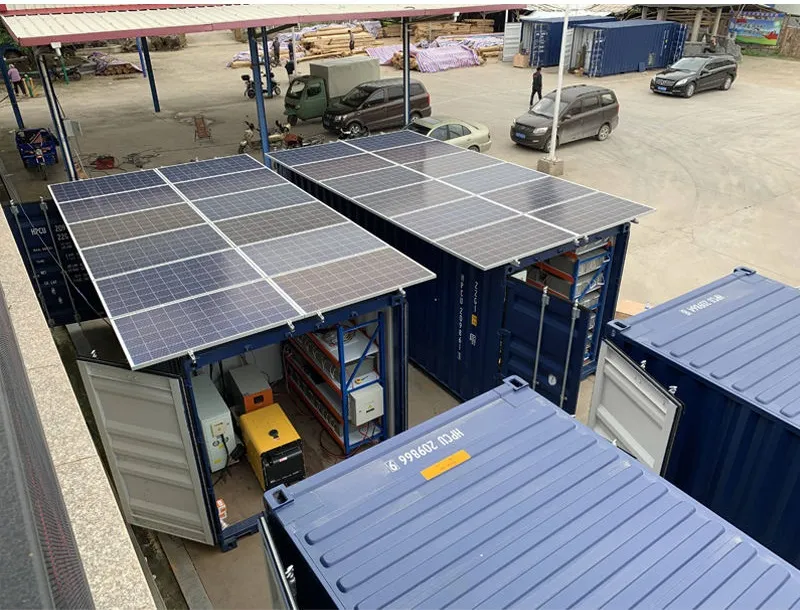
Picture this: You're video-calling your grandma when suddenly her face freezes mid-sentence. That annoying hiccup? Often it's a 5G base station somewhere gasping for power. These unsung tech heroes dotting our landscape are thirstier than marathon runners in the desert. A single 5G site can guzzle up to 20% more juice than its 4G predecessor. But here's where it gets really interesting...
Traditional solutions felt like putting bandaids on a volcano. Diesel generators? Smelly, noisy, and about as eco-friendly as a coal-fired steam engine. Battery-only systems? Like trying to cross the Sahara with just one water bottle. Then engineers had a "why not both?" moment – pairing solar panels with smart storage creates what we call distributed solar power systems , turning base stations from power beggars into energy ninjas.
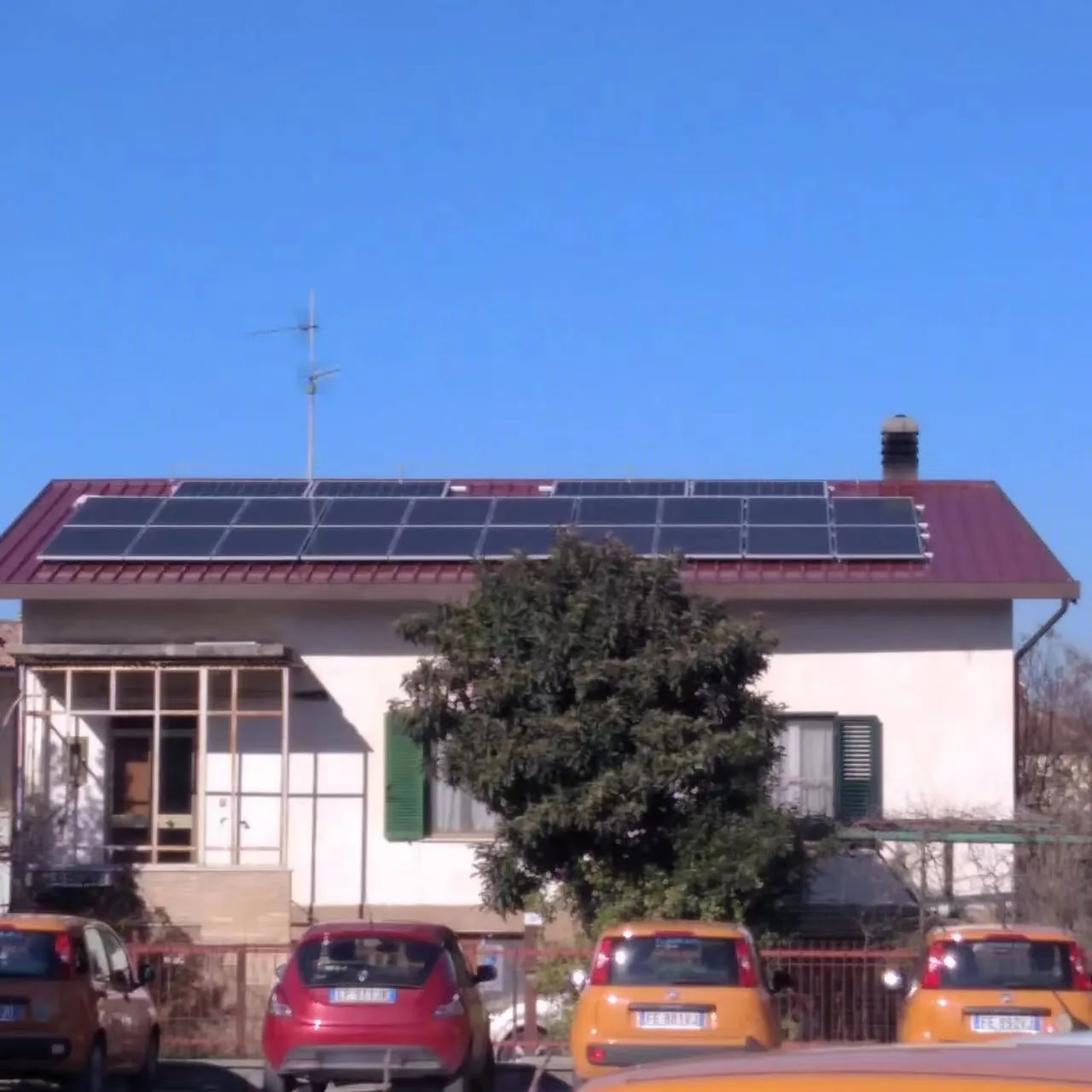
Let's peek under the hood of these next-gen power systems:
Today's bifacial panels pull double duty – soaking up direct sunlight while grabbing reflected light from below. We're seeing 22%+ efficiency rates even on cloudy days. That's like your phone charger working through its case!
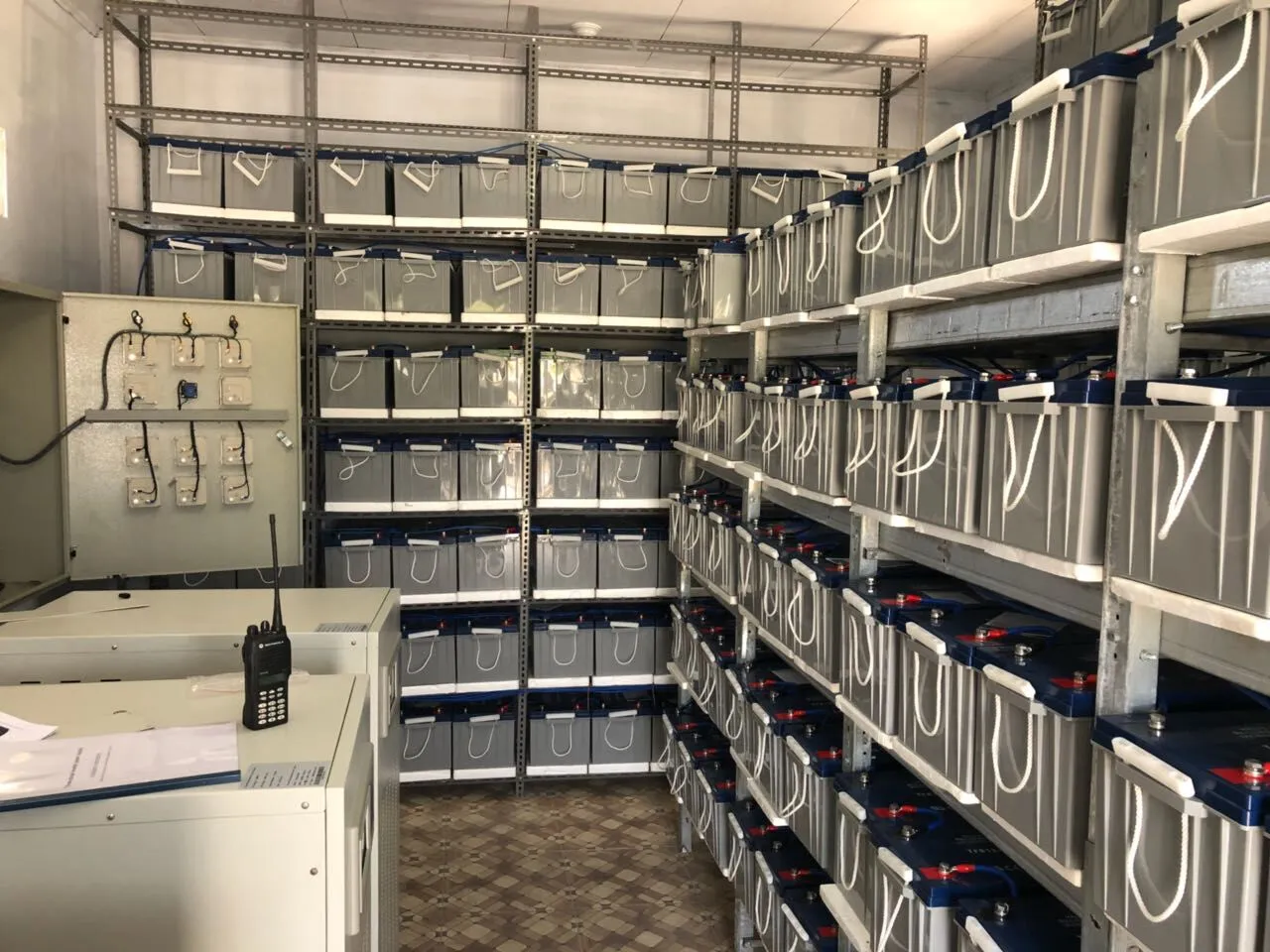
Lithium iron phosphate (LFP) batteries are the unsung heroes. Unlike your phone battery that throws tantrums in cold weather, these soldier through -20°C to 60°C temperatures while lasting over 6,000 charge cycles. That's like charging your phone daily for 16 years without degradation.
The real magic happens in the control systems. AI algorithms predict weather patterns 72 hours out, adjusting power flows before clouds even appear. One telecom in Spain saw response times under 10 milliseconds – faster than a hummingbird's wing flap!
This isn't just tech for tech's sake. When Chilean telco WOM deployed solar-storage hybrids, their remote stations went from 30+ annual outages to near-zero. Field techs jokingly complained about forgetting where generators were stored!
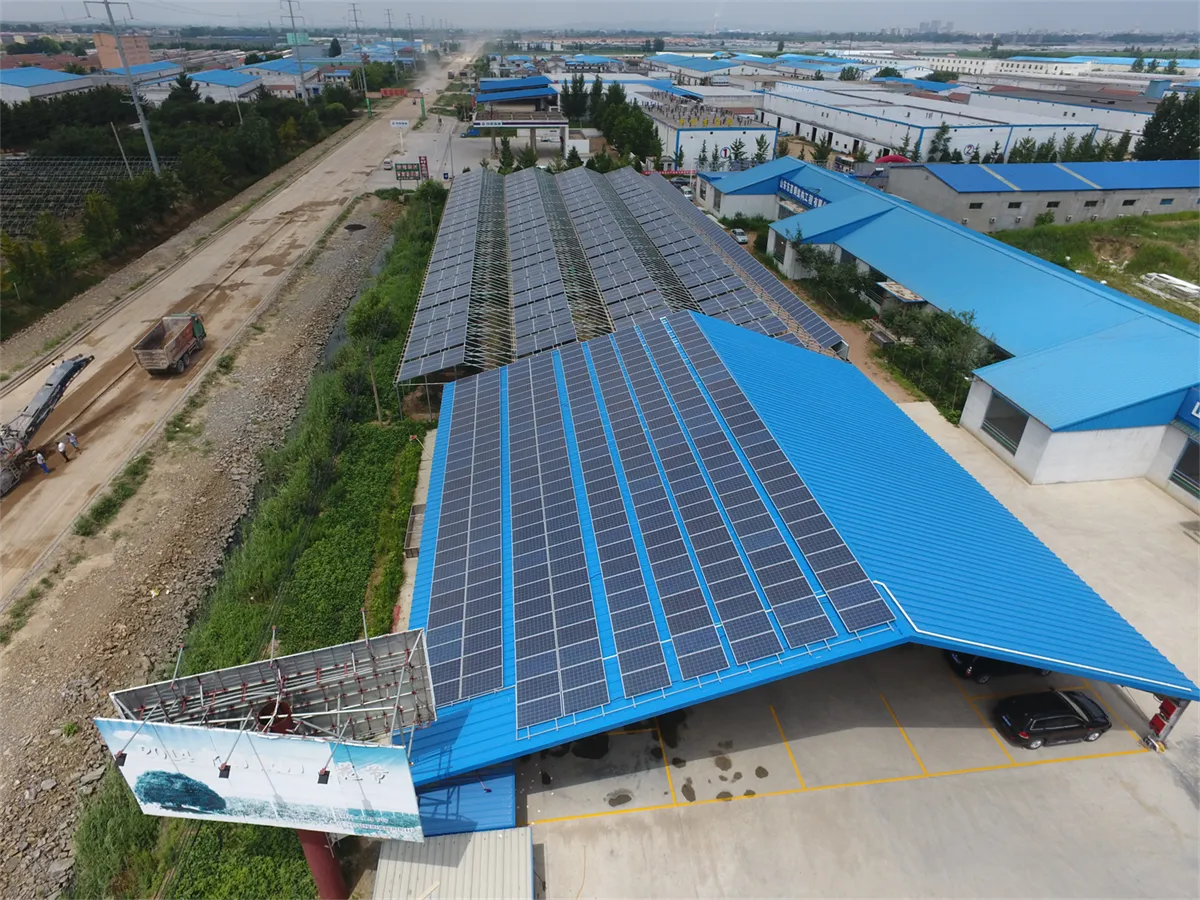
At 18,000 feet on Mount Everest, China Tower deployed a system that would make James Bond jealous:
Result? 99.99% uptime in an environment where diesel fuel freezes solid. Climbers now Instagram from basecamp with better service than Manhattan cafes.
In Tokyo's Shibuya district, NTT Docomo turned their towers into power traders:
| Strategy | Innovation | Result |
|---|---|---|
| Peak Shaving | AI selling surplus to grid during price spikes | $14K annual profit per site |
| EV Integration | Taxi charging during off-peak | 20% reduced energy costs |
The system became so profitable, accountants started requesting tower locations for budget meetings!
The innovation train shows no signs of slowing:
Stacked cells hitting 30% efficiency means cutting panel footprints by 40% – perfect for urban sites where rooftop space is tighter than a Tokyo apartment.
Batteries using salt instead of lithium dropping costs to just $0.30/Wh. Imagine the cost difference between Himalayan pink salt and truffle salt!
Using excess solar to create green hydrogen for winter storage. South Korean trials show 72-hour backup capability with zero emissions – the energy equivalent of a squirrel storing nuts for winter!
What started as simple backup solutions are becoming something far greater. Solar-powered base stations are evolving into community energy hubs. In rural Kenya, excess power now charges medical equipment at adjacent clinics. Indonesian islands use telecom storage for fish market refrigeration.
The numbers tell their own story:
As we connect billions more devices, this solar-storage marriage solves two problems at once – keeping our data flowing while protecting the planet. The next time your video call doesn't buffer, remember there's probably a sun-powered silent guardian working overtime somewhere nearby. Now that's what I call smart power!
Recommend Products












