
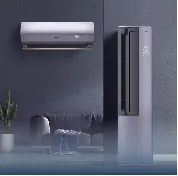
Let’s talk cold hard facts: refrigerants are the unsung heroes of modern life. They keep our food fresh, our homes comfortable, and our workspaces productive. But for decades, they also quietly wrecked the planet. Traditional refrigerants like CFCs and HCFCs punched holes in the ozone layer while trapping heat like a runaway greenhouse. Thankfully, the game is changing, and stars like R290 (propane) and R32 (difluoromethane) are leading the charge with eco-friendly credentials. Both slash carbon footprints dramatically compared to older systems. But they’re not interchangeable – they bring different strengths to air conditioning and refrigeration.
It’s easy to overlook what happens inside your fridge or AC unit. But the fluids humming through those coils? They matter hugely to Earth’s atmosphere. Older refrigerants carried devastating baggage: sky-high Global Warming Potential (GWP) and ozone-wrecking chlorine. R410A, once an industry darling, clocks a GWP of 2,088 – meaning it traps over 2,000 times more heat than CO₂! Legislation like the Kigali Amendment now forces change, cutting HFCs down by 85% globally by 2036. Enter R290 (GWP 3) and R32 (GWP 675). While 675 sounds high, remember it’s one-third R410A’s punch, and R290? It’s almost negligible at just 3. Zero Ozone Depletion Potential too for both. Translation? Cooling without cooking the planet.
Nature nailed refrigerant design: propane works beautifully cold, with a boiling point of -42°C. But don’t picture grilling tanks. R290’s brilliance lies in tiny doses – think soda-can volumes. Packed with energy per gram, it outperforms synthetics, hitting CoP (Coefficient of Performance) numbers up to 30% higher than traditional fluids. Energy efficient appliances thrive on this efficiency; your power bill notices. But it’s flammable – we’re talking Class A3 safety rating here. That’s why it dominates domains with contained charges:
Installing R290 gear demands respect: strict charge limits, leak detectors, ventilation rules, and no sparks near units. Done right? You’ve got a climate hero humming quietly.
R32 feels like the sensible middle child: not ultra-low GWP like R290 but massively better than old guards like R410A. Mildly flammable (Class A2L), it burns slower and harder to ignite. Technically? A powerhouse. Its pressure rides higher than R290 but below older gases, slotting into existing compressors with minimal tweaks. Think drop-in replacement potential for ACs. Efficiency-wise, it outperforms R410A by 10-12%, and here’s why it dominates HVAC:
Safety focuses on A2L protocols: leak sensors, avoiding ignition sources in maintenance. Trade-offs? Slightly higher GWP than R290 but broader application freedom.
Picking between these coolants? It’s a situational showdown:
| Factor | R290 | R32 |
|---|---|---|
| GWP | 3 (Negligible) | 675 (Low) |
| Flammability | Highly flammable (A3) | Mildly flammable (A2L) |
| Operating Pressure | Lower (~10-15% below R410A) | Medium (Higher than R290) |
| Charge Capacity | Strictly capped (small systems) | Higher tolerance |
| Energy Efficiency | Exceptional (up to 30% gains) | High (≈10% over R410A) |
| Ideal For | Fridges, low-charge displays, mini-splits | Residential ACs, portable units, medium systems |
R290 wins on climate impact outright but demands caution in confined spaces. R32 brings the blend – manageable safety, broader retrofit potential, solid efficiency. It’s about matching the fluid to the job.
Walk down a store aisle or check your home gear – these refrigerants aren’t sci-fi:
Case Study: Sweden’s ICA supermarkets cut emissions 90% versus older HFC setups using R290 cases. AC retrofits to R32 in office buildings like Sydney’s Barangaroo save tonnes in yearly energy costs.
Not all smooth sailing, though:
The momentum’s unstoppable: by 2025, R32 will power >80% of Asian ACs. Europe mandates R290 in domestic cold. It’s a switch delivering climate wins directly from our kitchens and living rooms.
Here’s the cool part (pun intended): R290 and R32 prove climate action doesn’t mean compromising comfort or convenience. They’re not perfect, but they represent massive leaps from the polluting past. R290 offers unbeatable eco-credentials for contained systems, while R32 delivers practical decarbonization for everyday air conditioning. Together, they’re shifting cooling from climate villain to solution – one fridge, one AC unit at a time. As engineers refine safer blends and techs gain skills, these refrigerants signal a future where staying cool doesn’t heat the planet.
Recommend Products












