


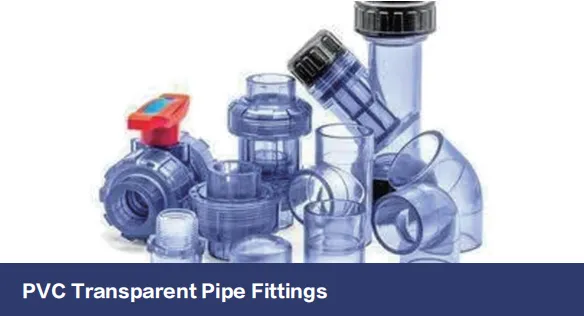
Walk into any modern electronics manufacturing facility or chemical processing plant, and you’ll notice a silent guardian keeping operations safe: antistatic transparent PVC pipe fittings. These aren’t your ordinary plumbing components—they’re engineered lifesavers where sparks can’t fly and visibility can’t be compromised. In high-risk environments, every millimeter of tubing matters.
The explosive growth in electronics and chemical sectors has rewritten the rules for industrial piping. When traditional metal pipes threaten static discharges or hide contamination, a quiet revolution in plastic engineering has answered the call. Transparent PVC pipe fittings have evolved from passive conduits into high-tech protectors balancing three non-negotiables: safety, durability, and visual accountability.
More Than Meets the Eye: Where Antistatic Transparent PVC Excels
What sets antistatic transparent PVC apart? It starts with understanding where electricity meets hazard. When flammable solvents flow through pipes or microelectronics assembly demands static-free zones, these fittings become the immune system of industrial pipelines.
Unlike old-school metal alternatives, modern antistatic transparent PVC blends transparency with intelligent protection:
Static Dissipation Superpowers
Embedded conductive carbon networks safely channel stray electrons away from volatile liquids. No buildup means no sparks—especially vital in chemical transfer lines where invisible vapors wait for ignition
Crystal-Clear Vigilance
Watch contaminants like metal shavings or sediment in real-time without opening valves. Pharmaceutical labs using ethanol washes or semiconductor plants moving abrasive slurries save millions in downtime catching debris early
Chemical Immunity
Standing strong against acids, acetone, and alkalis that corrode metal pipes. Plasticizers stay locked in—no leaching into sensitive fluids during medical device manufacturing
Advancements go beyond materials. Take UV stabilization: outdoor solar panel cleaning systems now use reinforced formulations that won’t yellow under harsh sunlight while maintaining static control. Or the latest ROHS-certified blends, eliminating phthalates for European electronics makers. This is safety evolving.
Where Danger Meets Innovation: Real-World Applications
Antistatic transparent PVC fittings aren’t theoretical—they’re battlefield-tested where failure isn’t optional. Here’s where they shine:
Lithium Battery Manufacturing
Electrolyte transfer lines require flawless static control; even minor sparks can ignite solvent vapors. Fittings with ≤10 6 Ω surface resistivity prevent chain reactions while enabling visual inspection for particulate contaminants
Paint Spray Booths
Flammable solvent-based paints flow through overhead piping. Antistatic transparency prevents hidden clogs while suppressing sparks—critical where airborne particulates create explosive atmospheres
Ethanol Biofuel Processing
Monitor fermentation mash transfer without opening valves and risking vapor ignition. Fittings withstand pH swings in bioreactors while eliminating electrostatic ignition risks
The Road Ahead: Material Science Meets Smart Integration
What’s next for antistatic PVC transparent fittings? Think beyond pipes. The fusion of material chemistry and IoT is creating self-monitoring fluid networks:
- Embedded Sensors - Conductive PVC layers incorporating fiber-optic strain gauges that detect pressure shifts indicating blockages before they become failures
- Nano-Coating Integration - Permanent graphene layers vapor-deposited inside fittings to lower resistance ratings below 10^4 Ω without sacrificing clarity
- Circular Economics - New recycling processes breaking down used antistatic PVC for reuse in non-critical applications—chemical plants pursuing zero-waste certification
"We're beyond the era of static-resistant pipes. What we've engineered are visual compliance systems that actively prevent accidents" — Dr. Emma Roswell, Materials Science Director at EU Chemical Safety Council
The Clear Path Forward
As electronics shrink and chemical processes intensify, antistatic transparent PVC pipe fittings have shifted from specialized components to universal safety necessities. Their evolution mirrors industrial demands: clearer views into critical processes, smarter static management, and relentless compatibility improvements. The factories of tomorrow won't just have these fittings—they'll rely on them like oxygen.
For facilities managers and engineers, the message resounds: clarity and control aren’t competing values. In the race toward intrinsically safe manufacturing, seeing truly becomes believing.










