


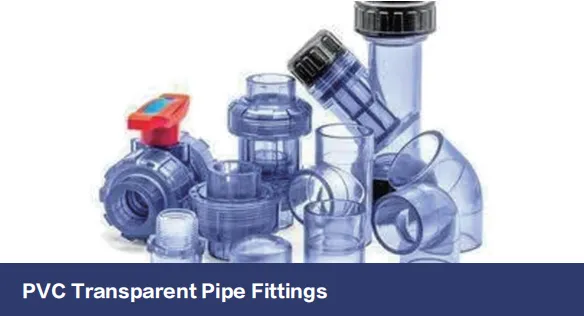
The Silent Revolution in Sanitary Infrastructure
Walk into any modern hospital or food processing plant, and you'll notice something invisible yet revolutionary - the transparent veins running through the walls. What you're seeing are antibacterial PVC fittings doing the heavy lifting in our hygiene-critical environments. It's not just about visible cleanliness anymore; it's about active protection.
Beyond Ordinary Materials
What makes antibacterial PVC different? It's like giving ordinary plastic an immune system. These specially developed compounds embed antimicrobial agents right into the material matrix. It's a game-changer because traditional materials just sit there passively. Any contamination on their surfaces becomes a breeding ground. Our modern solutions? They fight back.
Self-Defense System
The antibacterial agents aren't just a coating - they're engineered into the material's DNA. Think of them as millions of microscopic guardians constantly working to eliminate threats.
Continuous Protection
Unlike temporary solutions like sprays or wipes, the antimicrobial protection is "always on". It works 24/7 without maintenance - through cleaning cycles, during downtime, over years of service.
Broad Spectrum Shield
It's not just about bacteria. Quality compounds protect against fungi, mold, and other microorganisms that threaten sterile environments. A triple-layer defense where traditional materials offer none.
Life-Saving Applications
You don't realize how vital these components are until you see them in action. I've watched installation teams replacing legacy systems with antibacterial PVC in hospitals, and it's like upgrading from candlelight to LED.
Healthcare Revolution
In hospitals, every inch matters. We're talking about:
- Medication delivery systems where contamination could be lethal
- Dialysis equipment pathways requiring absolute purity
- Surgical irrigation systems where even a single microbe is unacceptable
- Laboratory analyzers processing thousands of samples
Food Industry Safeguards
Food processing plants have become early adopters. Why? Because the stakes are so visible. One recall from contamination can destroy brands. You'll find antibacterial PVC fittings in:
- Beverage production lines where sugar equals microbe food
- Dairy processing where bacterial growth happens in hours
- Meat packing facilities battling persistent pathogens
- Bottling plants for everything from juices to pharmaceuticals
What these environments have in common isn't just the need for cleanliness - it's the demand for verification. That transparency? It's not cosmetic. Operators can visually confirm interior cleanliness without disassembly - a breakthrough in maintenance efficiency.
Design Intelligence
The smart design touches are what make these fittings truly revolutionary:
Visual Verification
Crystal clarity doesn't just ease inspection - it builds trust. Operators see what's flowing through their systems in real-time.
Ultra-Smooth Surfaces
The surface finish isn't just shiny - it's microscopically engineered to prevent microbe adhesion. Fewer places for pathogens to hide.
Chemical Resistance
Withstands aggressive cleaning chemicals that would degrade ordinary plastics. Built tough for harsh sanitization routines.
I once watched a sanitation crew at a pharmaceutical plant testing different fittings. The difference in biofilm buildup was shocking - traditional PVC developed grime within weeks. The antibacterial fittings? Months later, they still looked factory-fresh inside.
Integrating Advanced Water Systems
Antibacterial PVC plays particularly well with modern plumbing systems. Consider how they interact with something like PPR piping - a different material with complementary strengths. The fittings create protective junctions and transitions while PPR handles straight runs. It's a symbiotic relationship where each component plays to its strengths.
Future-Proofing Your Infrastructure
Adoption decisions today will pay dividends for decades. Antibacterial PVC isn't just solving today's problems - it anticipates tomorrow's challenges. As pathogens evolve and hygiene standards tighten, this material platform provides a foundation that adapts.
The innovation pipeline excites me most. New generations incorporate smart detection molecules that actually signal contamination. Imagine fittings that change color when compromised! What seems revolutionary today will look primitive tomorrow. But the core truth remains: passive protection belongs to the past. Active antibacterial materials represent our hygienic future.










