
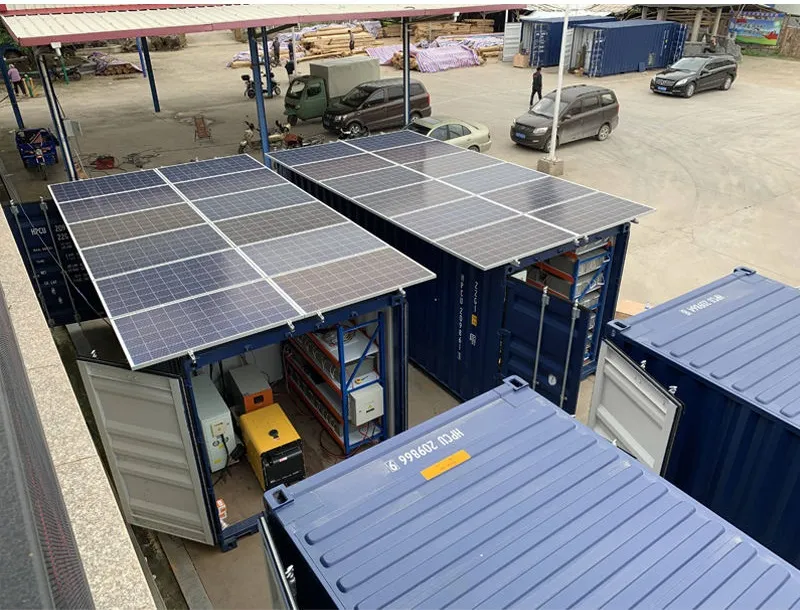
Picture this – your solar panels, carefully crafted to power homes sustainably, get slapped with duties that make them unaffordable overnight. It’s like planting a tree only to have someone demand payment for the sunlight it absorbs. This harsh reality has struck many manufacturers exporting to North America, particularly after the US imposed duties up to 254% on panels from Southeast Asia in 2025.
The heart of the issue? Trade authorities claim panels were sold below fair value due to transnational subsidies . But let’s peel back this legalese. In plain terms, it’s an accusation that overseas governments unfairly tilted the playing field. When these duties hit, it’s not just business deals that suffer – communities lose access to affordable clean energy at the very moment climate action is most urgent.

Enter Mexico – your unexpected ally in this trade tangle. Under USMCA (NAFTA’s successor), Mexico offers something precious: a manufacturing reset . Imagine shifting production south of the border where solar panels meet building materials specifications while qualifying for duty-free access to both US and Canadian markets.
Take Maria and Juan’s story. Their small panel workshop in Jalisco now supplies installers across Texas and Alberta. By carefully documenting their supply chain, they proved 62% North American content – transforming vulnerable imports into locally embraced solutions.
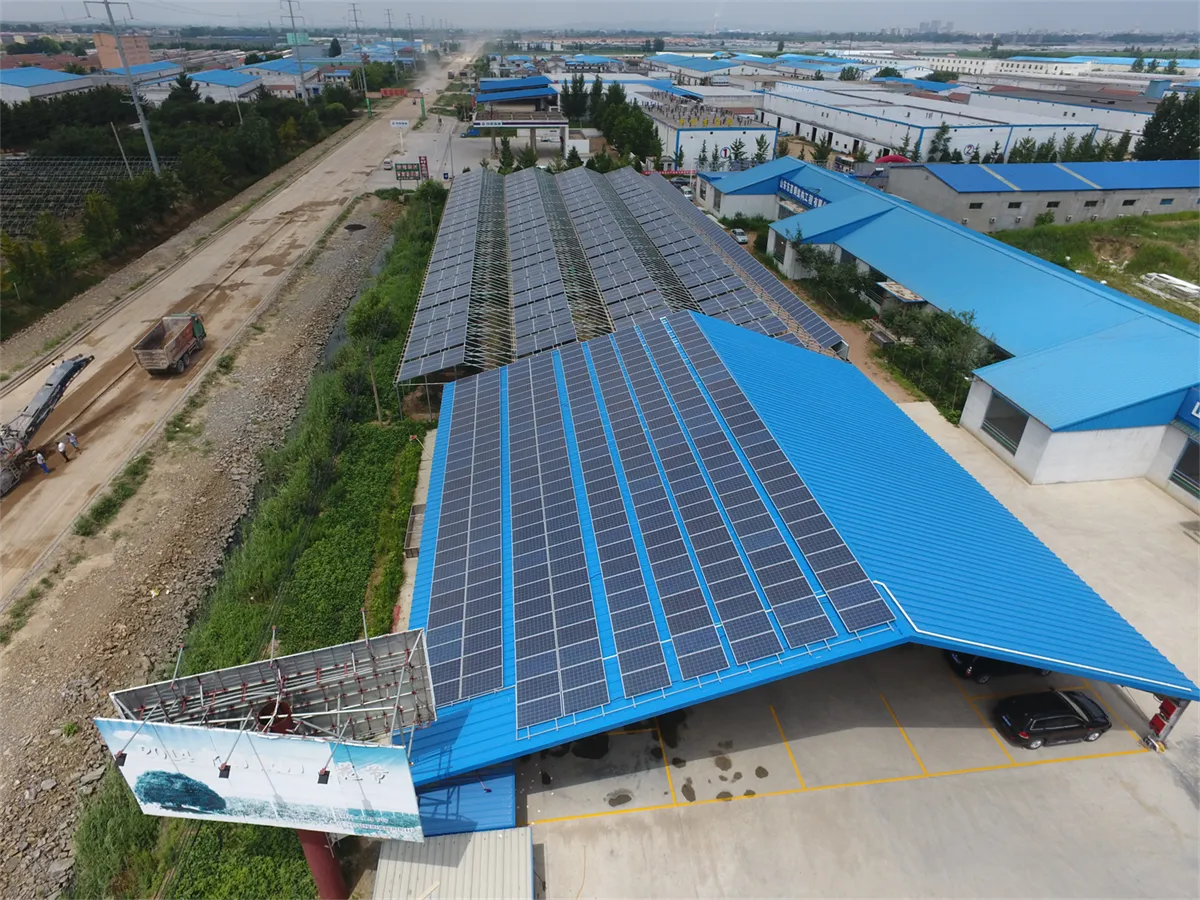
Confronting anti-dumping duties feels like navigating a thunderstorm without radar. But structured approaches turn turmoil into strategy:
Identify which components face duties. For example, crystalline silicon cells? Aluminum frames? Third-party reviews often spot vulnerabilities missed internally.
Could Mexican assembly transform your product? One company avoided 214% duties by shifting final cell integration to Monterrey, turning Chinese cells into USMCA-compliant modules.
Documentary rigor matters. Track:
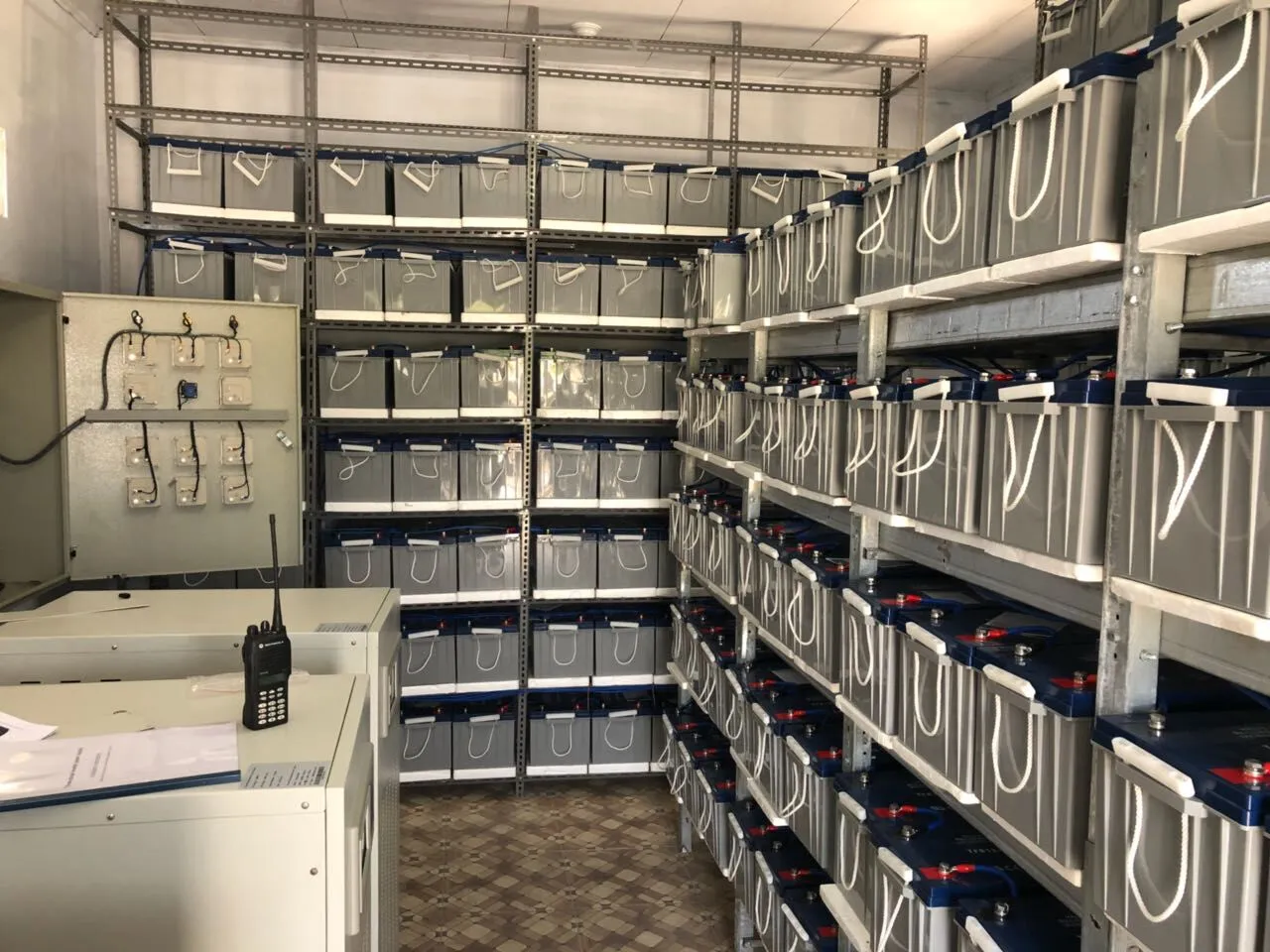
Consider the innovative approach from NexSol Energy . Facing 189% duties on Malaysian-made backsheets, they:
| Challenge | Solution | Outcome |
|---|---|---|
| Thin-film photovoltaic imports blocked | Partnered with Sonora factory for final lamination | Qualified for USMCA, reduced landed cost by 28% |
| Customs classification disputes | Pre-verified HS codes with Mexican brokers | Zero shipment delays post-transition |
Another company leveraged "dark factories" – Mexican facilities operating during off-hours using existing machinery. By renting production time at Guadalajara plants, they transformed supply chains without massive capital investment.
Practical measures to implement immediately:
If duties get imposed unfairly, request review by USMCA’s binational panel process . Unlike courts, these specialized trade experts can:
Radically modify products through:
Avoid using materials subject to specific tariff exclusion carve-outs.
The solar trade landscape shifts constantly. What’s emerging?
The winning mindset? Treat trade compliance not as legal shackles but creative liberation . Each challenge contains seeds for innovation that actually strengthen market position long-term.
Anti-dumping duties needn’t be dead ends. Like desert plants adapting to harsh conditions, solar businesses emerge more resilient through strategic transformation. The Mexican pathway offers more than duty relief – it’s a corridor to reimagine your role in the energy revolution. When one customs door slams shut, an entire landscape of innovation waits for those ready to turn the handle.
Recommend Products












