
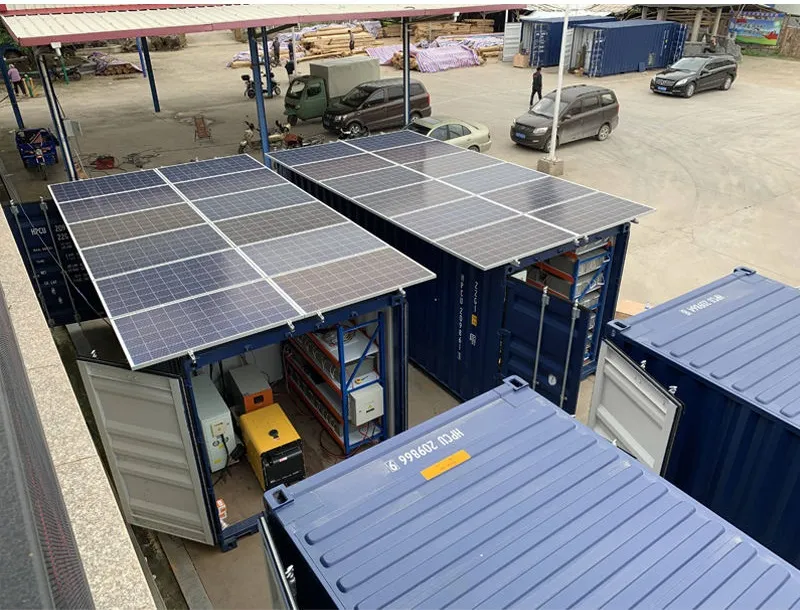
Picture yourself out on the open water, the sun warming your face, the gentle rocking of your fishing boat beneath your feet. It's that perfect escape where time slows down. But here's the reality check – while you're enjoying that salty breeze and chasing the big catch, your boat's electrical systems are constantly working hard, needing reliable power to keep everything running smoothly. That's where solar panels come into play, transforming those gorgeous sun rays into free, clean energy for your vessel. But here's the catch: that same salty environment that makes fishing so rejuvenating is absolutely brutal on equipment. Saltwater corrosion is a silent killer that can turn those high-tech panels into expensive scrap metal faster than you'd think.
In the marine world, solar panels aren't just about generating power – they're survivors in the harshest of environments. Designing them for this setting means going beyond standard solar tech. It's about creating power solutions that can take the constant punishment of salt spray, humidity, and extreme weather without failing when you need them most. That's exactly what we're diving into today: creating solar warriors specifically for fishing boats that are both lightweight and corrosion-resistant.
Before we get into the solutions, let's talk about why marine environments are such a nightmare for electronics and solar panels. It's not just about the obvious saltwater. Salt air contains microscopic salt particles that settle on everything. When humidity hits, that salt dissolves into a highly conductive, corrosive brine that creeps into every nook and cranny.
Saltwater corrosion is essentially accelerated electrochemical degradation. The chloride ions in salt are incredibly aggressive. They break down protective oxide layers on metals, initiating galvanic corrosion where different metals contact each other. On solar panels, this means:
Regular solar panels might hold up fine on your rooftop, but on a fishing boat? They often start showing signs of corrosion in less than a year. And once that process starts, it's nearly impossible to stop – only slow down.
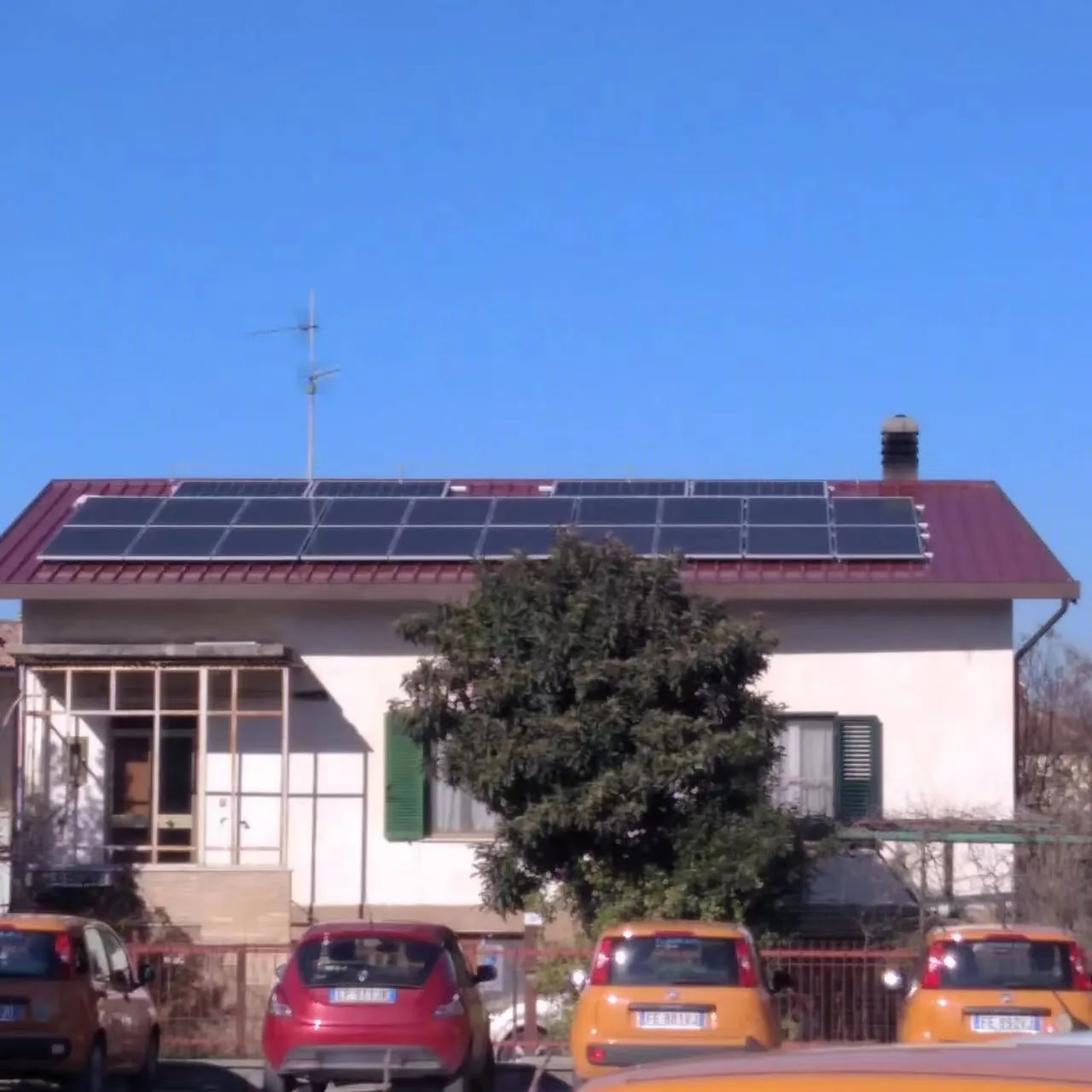
Creating truly marine-resistant solar panels requires approaching the design from multiple angles simultaneously. It's about creating a unified defense system rather than relying on any single solution.
The foundation is choosing inherently corrosion-resistant materials. Forget standard aluminum frames – marine designs use:
For junction boxes, marine-grade plastics with UV stabilizers replace conventional ABS. Even the adhesive used in laminated panels needs special marine formulation to withstand constant expansion/contraction.
The best materials still need additional protection through advanced coatings:
Many corrosion problems begin with design. Marine solar panels avoid flat surfaces and sharp corners where salt deposits can accumulate. Instead:
The goal is to make the panel "self-cleaning" as much as possible. Anywhere water can sit becomes a corrosion hotspot.
While the panel gets the attention, the wiring and connections are equally vulnerable:
| Design Feature | Standard Solar Panel | Marine-Specific Solar Panel |
|---|---|---|
| Frame Material | Standard anodized aluminum | Marine-grade aluminum with enhanced anodization |
| Protective Coatings | Basic weather-resistant coating | Multi-layer hydrophobic & conformal coatings |
| Water Drainage | Minimal drainage considerations | Purpose-built drainage channels and slopes |
| Sealing Rating | IP65 (water jet resistant) | IP68 (fully waterproof when submerged) |
| Electrical Connectors | Standard MC4 connectors | IP68 sealed with corrosion inhibitors |
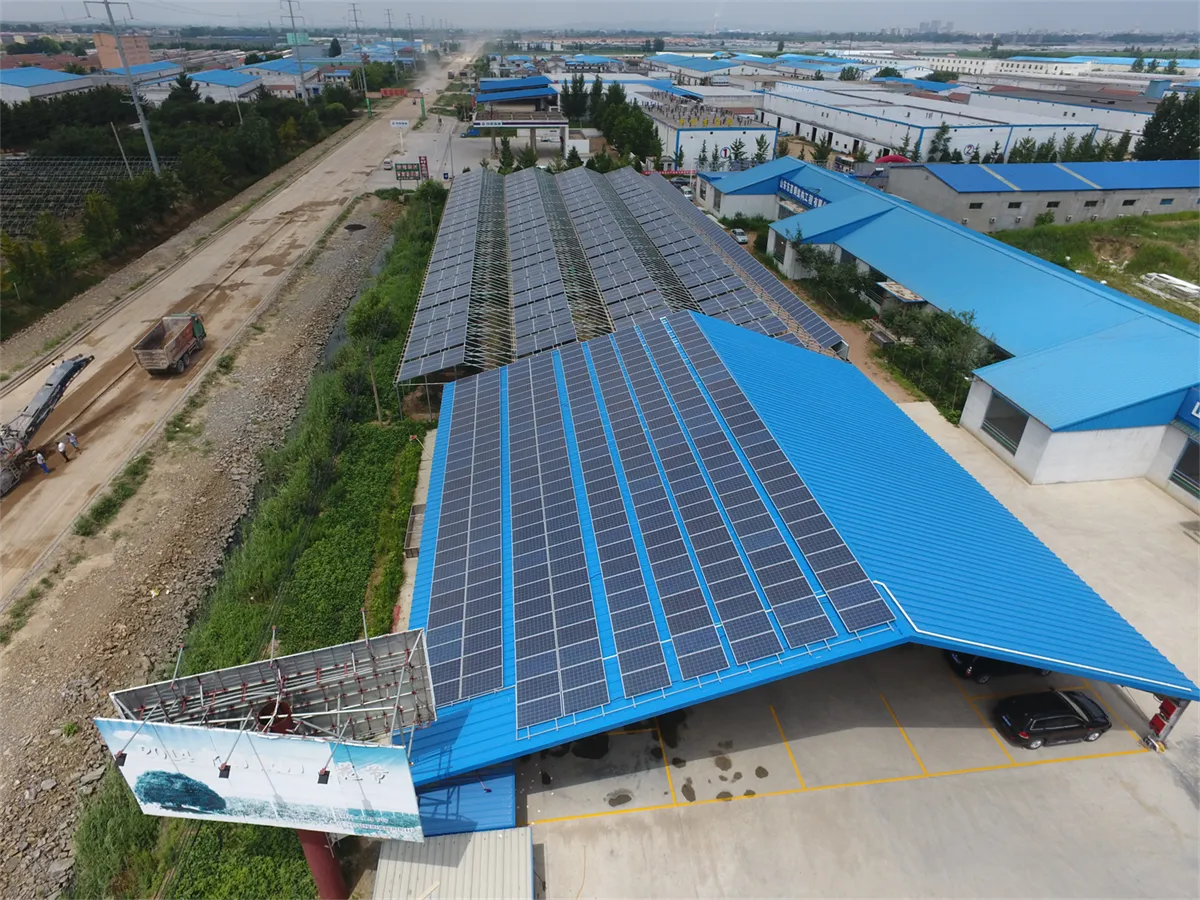
Fishing boats have curved surfaces everywhere – cabin roofs, gunwales, hatches. Rigid panels struggle here, creating gaps and awkward mounting situations. Flexible marine panels solve this through:
The marine-grade trick with flexible panels lies in protective layers. The cells are encapsulated between sheets of marine-rated polymer treated for UV stability and moisture resistance. This flexibility also allows mounting with industrial adhesives rather than drilling holes through the deck.
Imagine installing panels that wrap around your cabin curves like vinyl instead of sitting awkwardly on brackets. That's the power of modern flexible marine panels – better adhesion, less wind resistance, and seamless integration with your boat's contours.
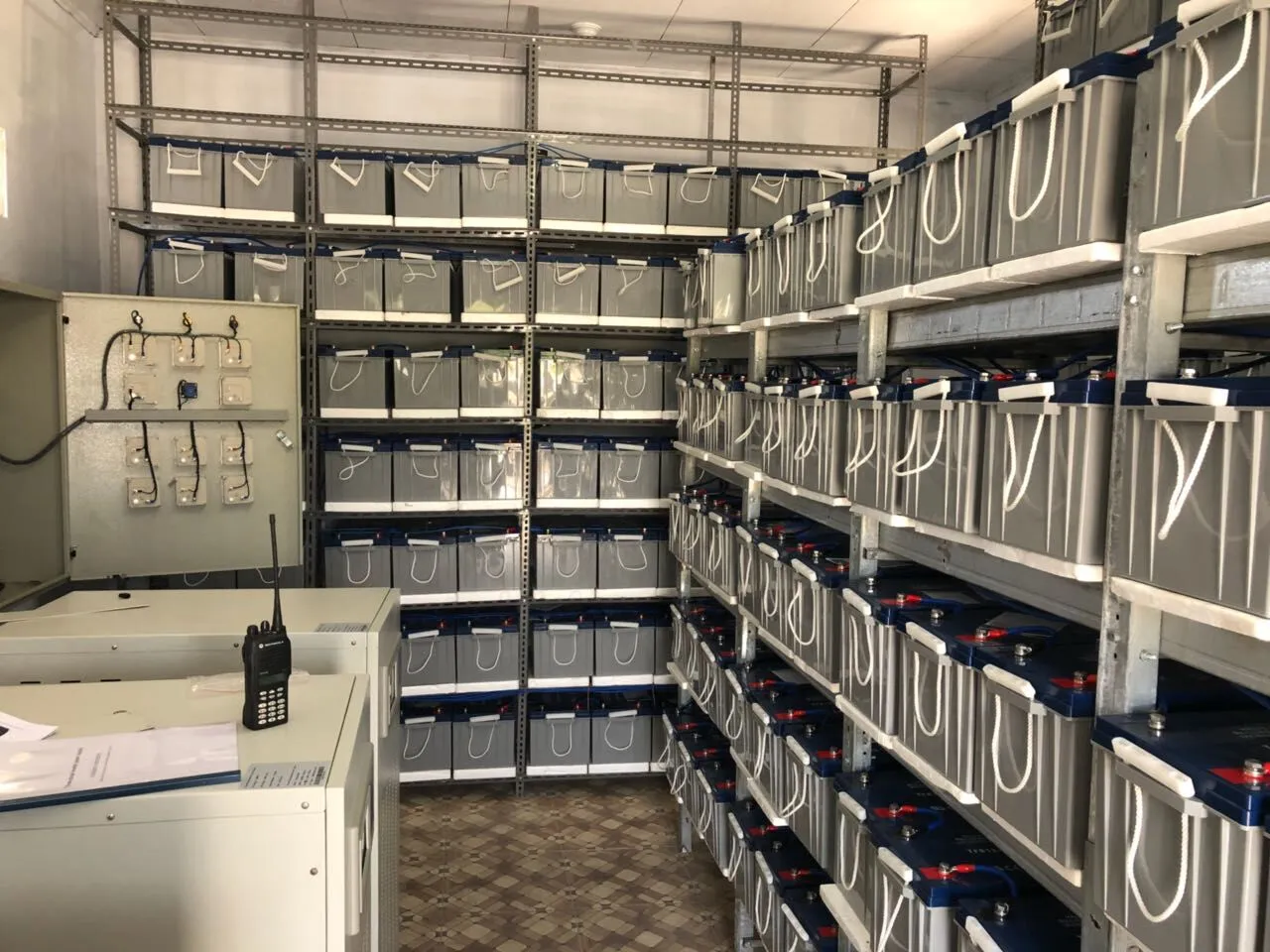
On smaller fishing boats, every pound counts. Weight distribution affects stability and fuel efficiency. Traditional glass solar panels can weigh 4-5 lbs per square foot. Marine designs achieve:
But weight reduction can't come at the expense of durability. Solutions include:
The real beauty of marine-grade lightweight design? You can often install more panels without overburdening your boat. More surface area equals more power generation without compromising performance or balance.
Determining capacity requires understanding your electrical demands:
Even the best marine-grade panels will corrode if installed poorly. Crucial steps:
The difference between a system that lasts 3 years versus 10+ often comes down to installation quality. Take the extra hours to do it right – drill carefully, seal completely, and protect every connection. That’s the true key to corrosion resistance.
Marine-grade doesn't mean maintenance-free. Routine care extends panel life dramatically:
Performance monitoring also matters. Output drops of 15%+ may indicate moisture infiltration or connection corrosion issues before they become catastrophic failures.
Marine solar tech isn't standing still. Coming innovations:
Equipping your fishing boat with marine-grade solar panels isn't about saving money – though you'll definitely see fuel and battery savings over time. It's about reliability when you're miles from shore, confidence in your electrical systems, and knowing you've invested in technology designed specifically for the challenging environment you operate in every day.
The seawater that brings life to your fishing adventures is actively attacking your equipment 24/7. By choosing thoughtfully designed, corrosion-resistant lightweight panels, installing them correctly, and maintaining them diligently, you'll transform the sun's energy into unwavering reliability rather than another source of headaches and expenses. That's true peace of mind that no fishing story can match.
Ultimately, marine-grade solar technology isn't just hardware – it's your partner out on the water. It quietly works behind the scenes, enduring the elements so you can focus on the important things: the rhythm of the waves, the tug on your line, and that perfect moment when everything comes together out on the open water.
Recommend Products












